THE ADVENTURE COLLECTIVE® · Independent discovery and booking for outdoor travel

Make the most of a single day at Machu Picchu with a direct train and guided visit from Cusco. This one-day itinerary covers train transfers, a bus to the citadel, and a two-hour guided tour of Llaqta Machu Picchu.
Make the most of a single day at Machu Picchu with a direct train and guided visit from Cusco. This one-day itinerary covers train transfers, a bus to the citadel, and a two-hour guided tour of Llaqta Machu Picchu.
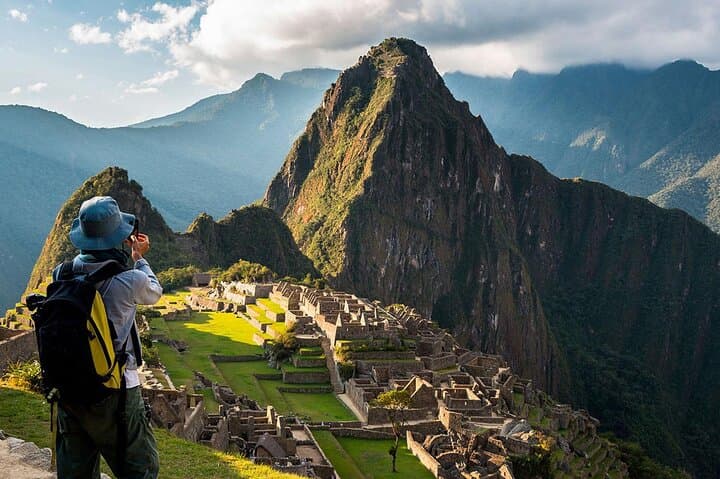
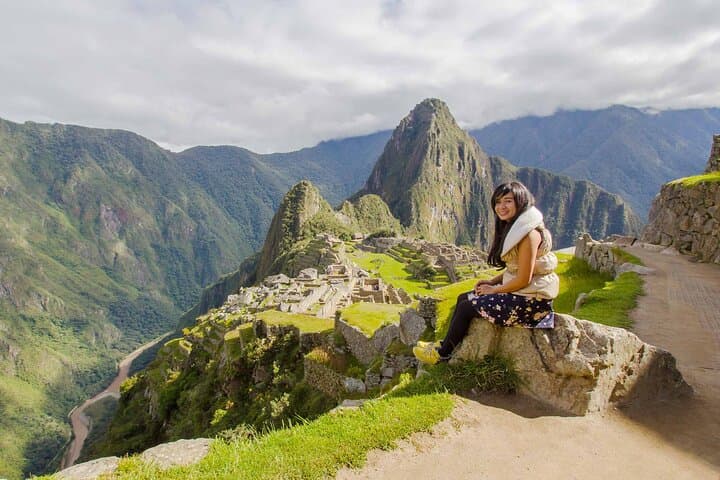
You arrive in Aguas Calientes with damp mountain air and the low, green shoulders of the Andes pressing close. The town hums with the tired energy of travelers who left Cusco before dawn; the climb by bus up the switchbacks to Llaqta Machu Picchu pulls the curtains back on terraces and stone walls that catch light in a way only high-altitude granite can.
Verified experiences and guided adventures in the surrounding area.
Operated by Agencia GuiasTours · Aguas Calientes, Cusco
You arrive in Aguas Calientes with damp mountain air and the low, green shoulders of the Andes pressing close. The town hums with the tired energy of travelers who left Cusco before dawn; the climb by bus up the switchbacks to Llaqta Machu Picchu pulls the curtains back on terraces and stone walls that catch light in a way only high-altitude granite can.
Machu Picchu sits at about 2,430 m above sea level, carved into a steep ridge where Inca engineering met a dramatic geological fault line. Built in the 15th century and reintroduced to the world in 1911, the site is both an archaeological classroom and a cultural touchstone for Quechua heritage. Granite outcrops and agricultural terraces reveal how the Incas moved water and soil on a scale that still impresses modern engineers.
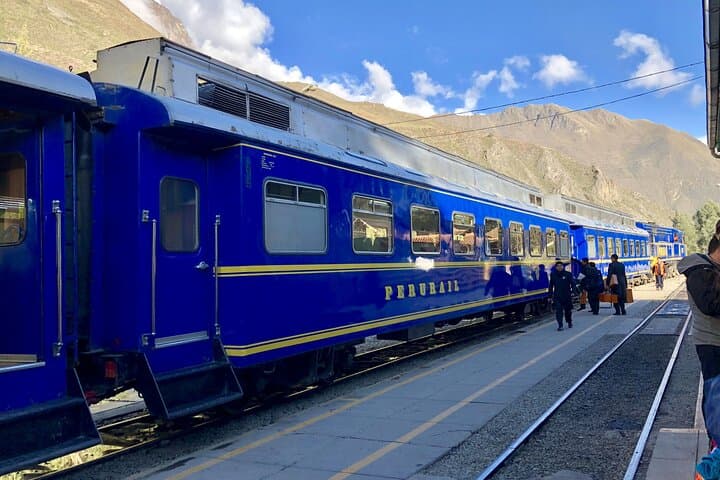
Expect a guided walk of roughly two hours across uneven stone, stair sections, and viewpoints that frame the Urubamba valley. The full‑day itinerary typically includes roundtrip Expedition train service from Ollantaytambo or Wanchaq, a 20–30 minute bus ride from the village to the citadel, and a few hours in Aguas Calientes to eat or shop before the return.
Practical guidance: book tickets and train seats well in advance, choose mid-day entry times (11:00–13:00 are recommended), and allow time to acclimatize in Cusco beforehand. Wear sturdy shoes, bring sun protection, water, and a light rain layer—the weather can switch quickly. Security and preservation rules are strict: stay on marked paths, carry your passport for ticket checks, and be prepared for stairs and narrow passages during peak photo moments.
moderate.
12–16 hours.
Moderate endurance—able to walk 2–4 hours on uneven stone, climb stairs, and manage long travel days at altitude.
Yes—the itinerary includes roundtrip Expedition train service between Ollantaytambo or Wanchaq and Aguas Calientes as part of the tour.
The guided portion at the archaeological site is approximately two hours, covering major sectors and viewpoints of the citadel.
Cusco sits around 3,400 m—spend a day or two acclimatizing there before the trip to reduce symptoms like headache or shortness of breath.
Those hikes require separate permits and timed entries; they are not included in the standard full-day shared tour and must be booked well in advance.
Constructed in the 15th century under Inca rule and rediscovered by Hiram Bingham in 1911, Machu Picchu served as an estate and ceremonial center linked to around-the-valley agriculture.
Visitor numbers and movement are regulated to protect fragile terraces and archaeological fabric—follow park rules, avoid bringing food into protected zones, and use designated paths.
Agencia GuiasTours operates guided outdoor trips and adventures with an emphasis on safety, stewardship, and memorable experiences.

You arrive in Aguas Calientes with damp mountain air and the low, green shoulders of the Andes pressing close. The town hums with the tired energy of travelers who left Cusco before dawn; the climb by bus up the switchbacks to Llaqta Machu Picchu pulls the curtains back on terraces and stone walls that catch light in a way only high-altitude granite can.
You arrive in Aguas Calientes with damp mountain air and the low, green shoulders of the Andes pressing close. The town hums with the tired energy of travelers who left Cusco before dawn; the climb by bus up the switchbacks to Llaqta Machu Picchu pulls the curtains back on terraces and stone walls that catch light in a way only high-altitude granite can.
Machu Picchu sits at about 2,430 m above sea level, carved into a steep ridge where Inca engineering met a dramatic geological fault line. Built in the 15th century and reintroduced to the world in 1911, the site is both an archaeological classroom and a cultural touchstone for Quechua heritage. Granite outcrops and agricultural terraces reveal how the Incas moved water and soil on a scale that still impresses modern engineers.
Expect a guided walk of roughly two hours across uneven stone, stair sections, and viewpoints that frame the Urubamba valley. The full‑day itinerary typically includes roundtrip Expedition train service from Ollantaytambo or Wanchaq, a 20–30 minute bus ride from the village to the citadel, and a few hours in Aguas Calientes to eat or shop before the return.
Practical guidance: book tickets and train seats well in advance, choose mid-day entry times (11:00–13:00 are recommended), and allow time to acclimatize in Cusco beforehand. Wear sturdy shoes, bring sun protection, water, and a light rain layer—the weather can switch quickly. Security and preservation rules are strict: stay on marked paths, carry your passport for ticket checks, and be prepared for stairs and narrow passages during peak photo moments.