THE ADVENTURE COLLECTIVE® · Independent discovery and booking for outdoor travel

A guided full-day visit to Machu Picchu blends engineered Inca stonework, steep mountain trails and cloudforest vistas. This guide covers what to expect on-site, plus logistics and smart planning tips for a smoother, more meaningful visit.
A guided full-day visit to Machu Picchu blends engineered Inca stonework, steep mountain trails and cloudforest vistas. This guide covers what to expect on-site, plus logistics and smart planning tips for a smoother, more meaningful visit.
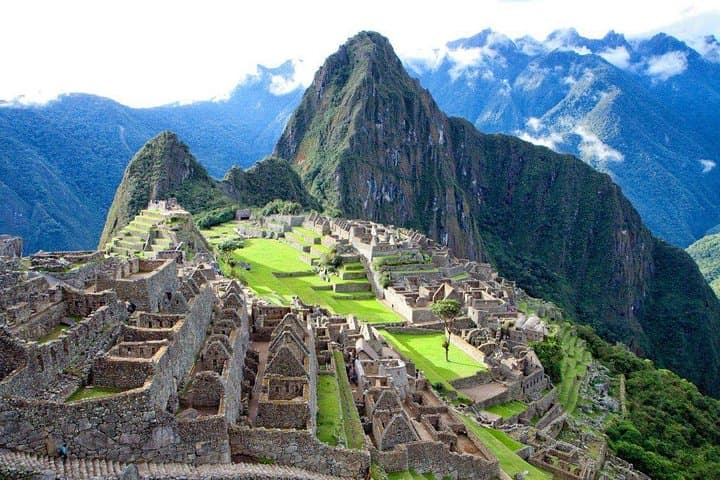
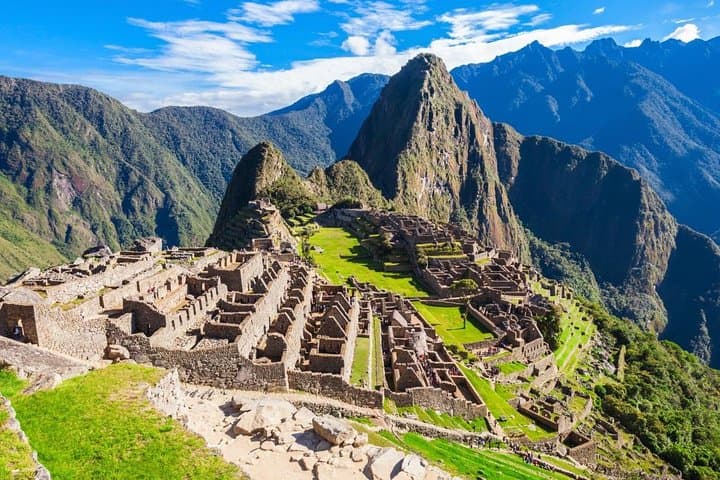
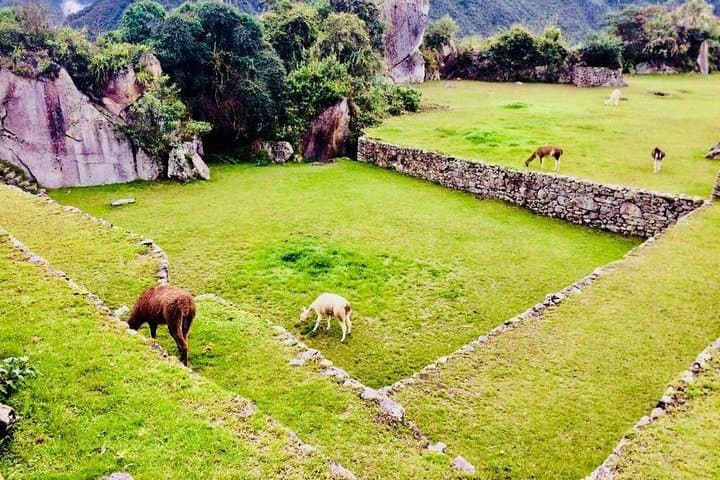
You step off the train into Aguas Calientes with mist on the river and the Andes rising like held breath. A short bus ride and the stone terraces of Machu Picchu unfold—stepped platforms, stairways and trapezoidal doorways carved into the mountain’s flank. The site’s dry-stone walls sit on a spine of granite, cut and fitted without mortar, while clouds drift through the surrounding cloudforest, giving the place a restless, living edge.
Verified experiences and guided adventures in the surrounding area.
Operated by Luxury Machupicchu · Aguas Calientes (Machu Picchu Pueblo), Cusco Region
You step off the train into Aguas Calientes with mist on the river and the Andes rising like held breath. A short bus ride and the stone terraces of Machu Picchu unfold—stepped platforms, stairways and trapezoidal doorways carved into the mountain’s flank. The site’s dry-stone walls sit on a spine of granite, cut and fitted without mortar, while clouds drift through the surrounding cloudforest, giving the place a restless, living edge.
Machu Picchu was built in the 15th century under the Inca, likely as an estate for Pachacuti and as a ceremonial center. Geologically, the citadel perches on folded metamorphic and volcanic rock above the Urubamba River, where steep slopes and seismic history influenced Inca masonry and drainage systems. Culturally the site is rich with agricultural terraces, ritual spaces like the Intihuatana stone, and engineered aqueducts—each feature tied to Andean cosmology and practical mountain farming.
On a guided visit expect 2–3 hours of structured touring plus time to explore independently. Trails are uneven and stair-heavy; popular short side walks include Puerta del Sol and the Inca Bridge viewpoint. Bring layered clothing for rapid weather swings, a rain jacket, good walking shoes, water and sun protection. Start early to avoid crowds and give yourself time in Aguas Calientes for hot springs or the local market after the return trip.
Practical logistics: train and bus tickets, timed entrance to the sanctuary and passport for permits are required. Respect marked paths, avoid drones, and follow your guide—this place is as fragile as it is dramatic.
moderate.
7–20 hours.
Comfortable walking fitness with the ability to handle uneven stone steps and several hundred meters of elevation change; altitude tolerance recommended.
Yes. Entry to the Machu Picchu Historic Sanctuary is limited and timed—book your site permit and train tickets well in advance, especially in high season.
Typical guided tours at the site last about 2 hours, with additional time afterward for independent exploration or side trails.
The site is accessible to most ages, but the terrain includes many steep steps; travelers with mobility issues should evaluate access and consider shorter walks.
Separate permits and timed entries are required for those ascents; check availability and reserve well ahead of your visit.
Machu Picchu was likely constructed mid-15th century under Inca ruler Pachacuti and served ceremonial, agricultural and administrative roles before being abandoned in the 16th century.
The sanctuary enforces timed entries, defined trails and visitor limits to reduce erosion; stick to marked paths and avoid bringing single-use plastics to minimize impact.
Luxury Machupicchu operates guided outdoor trips and adventures with an emphasis on safety, stewardship, and memorable experiences.
You step off the train into Aguas Calientes with mist on the river and the Andes rising like held breath. A short bus ride and the stone terraces of Machu Picchu unfold—stepped platforms, stairways and trapezoidal doorways carved into the mountain’s flank. The site’s dry-stone walls sit on a spine of granite, cut and fitted without mortar, while clouds drift through the surrounding cloudforest, giving the place a restless, living edge.
You step off the train into Aguas Calientes with mist on the river and the Andes rising like held breath. A short bus ride and the stone terraces of Machu Picchu unfold—stepped platforms, stairways and trapezoidal doorways carved into the mountain’s flank. The site’s dry-stone walls sit on a spine of granite, cut and fitted without mortar, while clouds drift through the surrounding cloudforest, giving the place a restless, living edge.
Machu Picchu was built in the 15th century under the Inca, likely as an estate for Pachacuti and as a ceremonial center. Geologically, the citadel perches on folded metamorphic and volcanic rock above the Urubamba River, where steep slopes and seismic history influenced Inca masonry and drainage systems. Culturally the site is rich with agricultural terraces, ritual spaces like the Intihuatana stone, and engineered aqueducts—each feature tied to Andean cosmology and practical mountain farming.
On a guided visit expect 2–3 hours of structured touring plus time to explore independently. Trails are uneven and stair-heavy; popular short side walks include Puerta del Sol and the Inca Bridge viewpoint. Bring layered clothing for rapid weather swings, a rain jacket, good walking shoes, water and sun protection. Start early to avoid crowds and give yourself time in Aguas Calientes for hot springs or the local market after the return trip.
Practical logistics: train and bus tickets, timed entrance to the sanctuary and passport for permits are required. Respect marked paths, avoid drones, and follow your guide—this place is as fragile as it is dramatic.