THE ADVENTURE COLLECTIVE® · Independent discovery and booking for outdoor travel

Take a full-day, guided round trip to Machu Picchu from Cusco by train and bus. Expect early starts, a certified guide through the citadel, and practical advice on acclimatization and timing to make the most of your visit.
Take a full-day, guided round trip to Machu Picchu from Cusco by train and bus. Expect early starts, a certified guide through the citadel, and practical advice on acclimatization and timing to make the most of your visit.
You arrive before sunrise in the soft chill of the Andean morning, the train’s whistle fading as the high valley exhales. By the time the bus curls up the switchbacks toward the citadel, the mountain air feels thinner and the ruins loom like a city remembering its own past. Walkways of stone slope beneath your feet and terraces step down the valley, each ledge revealing another angle of Huayna Picchu and the river far below.
Verified experiences and guided adventures in the surrounding area.
Operated by My Cusco Trip · Aguas Calientes (Machu Picchu Pueblo), Cusco Region
You arrive before sunrise in the soft chill of the Andean morning, the train’s whistle fading as the high valley exhales. By the time the bus curls up the switchbacks toward the citadel, the mountain air feels thinner and the ruins loom like a city remembering its own past. Walkways of stone slope beneath your feet and terraces step down the valley, each ledge revealing another angle of Huayna Picchu and the river far below.
Machu Picchu sits on a granite spine sculpted by tectonic lift and glacial carving—its stones fitted so precisely they still shed rain without mortar. The site was a royal and ritual center of the late fifteenth-century Inca state; its agricultural terraces, water channels, and plazas tell of practical engineering as much as spiritual geometry. Aguas Calientes, the village below, grew with the arrival of rail and now supplies the daily surge of visitors with artisan stalls and steaming cafes.
On this full-day itinerary you’ll ride an early train from Ollantaytambo, transfer by bus, and spend around three to four hours with a certified guide inside the citadel—ample time for the classic terraces, the Sun Temple and quiet corners for photography.
Practical edge: acclimatize in Cusco a day or two, carry water and layers, and expect uneven stone underfoot and crowds at key viewpoints. If you want Huayna Picchu or Machu Picchu Mountain, book those tickets well in advance and coordinate timing with your guide. Trains and buses dictate much of the schedule, so allow buffer time for boarding and transfers; bring a headlamp for the early departure and respect site rules to help preserve this fragile, high-altitude wonder.
moderate.
18–20 hours.
Basic to good stamina for walking on uneven ground at high altitude; no technical fitness required but expect long day and altitude effects.
Pick-up is typically before 4:00 a.m. to reach Ollantaytambo for the morning train, allowing full-time inside Machu Picchu during daylight.
Lunch is optional on this tour; you can choose to add a meal in Aguas Calientes or eat at a local restaurant after the citadel visit.
Most travelers can visit, but pregnant guests and those with serious cardiovascular conditions are advised not to due to altitude and exertion.
This tour includes round-trip train, bus transfers and entrance tickets as listed, but specific train classes (Voyager/Expedition) apply; confirm booking details and arrival times with the operator.
Built in the 15th century under Inca rule, Machu Picchu functioned as a ceremonial and elite estate, abandoned during the Spanish conquest and rediscovered in 1911 by Hiram Bingham.
Visitor numbers are managed by timed entry and limited mountain permits; stick to marked paths, avoid single-use plastics, and follow guide instructions to reduce erosion and protect archaeological fabric.
My Cusco Trip operates guided outdoor trips and adventures with an emphasis on safety, stewardship, and memorable experiences.
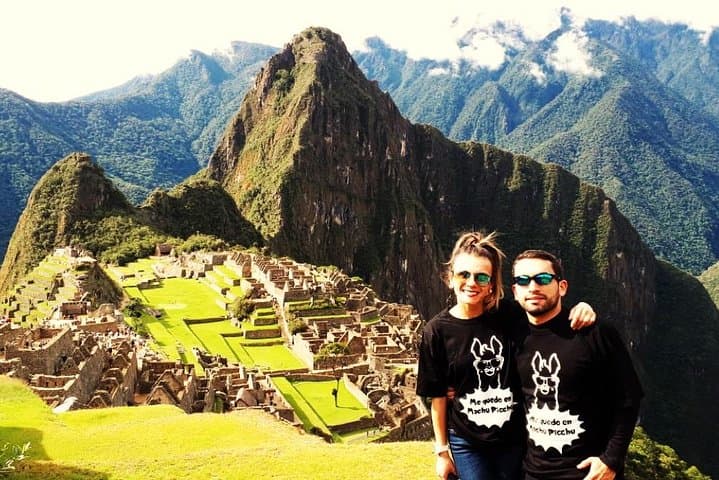
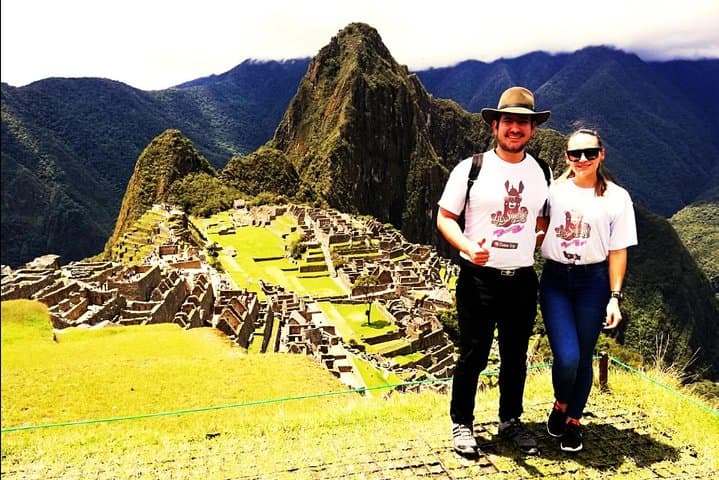
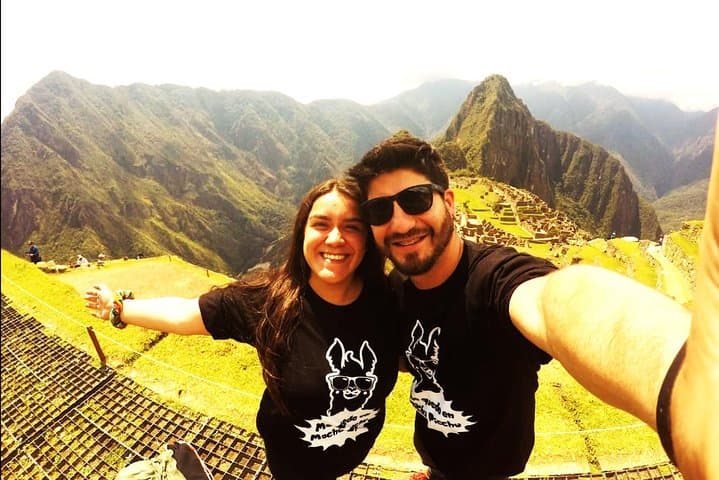
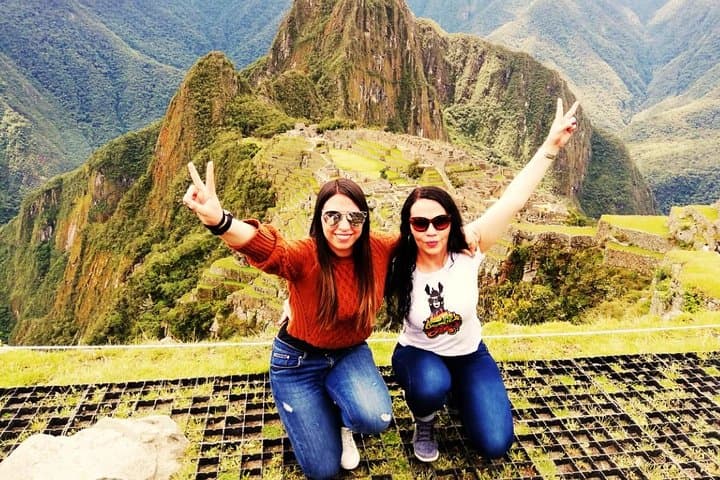
You arrive before sunrise in the soft chill of the Andean morning, the train’s whistle fading as the high valley exhales. By the time the bus curls up the switchbacks toward the citadel, the mountain air feels thinner and the ruins loom like a city remembering its own past. Walkways of stone slope beneath your feet and terraces step down the valley, each ledge revealing another angle of Huayna Picchu and the river far below.
You arrive before sunrise in the soft chill of the Andean morning, the train’s whistle fading as the high valley exhales. By the time the bus curls up the switchbacks toward the citadel, the mountain air feels thinner and the ruins loom like a city remembering its own past. Walkways of stone slope beneath your feet and terraces step down the valley, each ledge revealing another angle of Huayna Picchu and the river far below.
Machu Picchu sits on a granite spine sculpted by tectonic lift and glacial carving—its stones fitted so precisely they still shed rain without mortar. The site was a royal and ritual center of the late fifteenth-century Inca state; its agricultural terraces, water channels, and plazas tell of practical engineering as much as spiritual geometry. Aguas Calientes, the village below, grew with the arrival of rail and now supplies the daily surge of visitors with artisan stalls and steaming cafes.
On this full-day itinerary you’ll ride an early train from Ollantaytambo, transfer by bus, and spend around three to four hours with a certified guide inside the citadel—ample time for the classic terraces, the Sun Temple and quiet corners for photography.
Practical edge: acclimatize in Cusco a day or two, carry water and layers, and expect uneven stone underfoot and crowds at key viewpoints. If you want Huayna Picchu or Machu Picchu Mountain, book those tickets well in advance and coordinate timing with your guide. Trains and buses dictate much of the schedule, so allow buffer time for boarding and transfers; bring a headlamp for the early departure and respect site rules to help preserve this fragile, high-altitude wonder.