THE ADVENTURE COLLECTIVE® · Independent discovery and booking for outdoor travel

See Machu Picchu in a single day by scenic train from Cusco. This full-day tour pairs a dramatic rail route along the Urubamba River with a guided exploration of the Inca citadel and practical tips for a long, high-altitude day.
See Machu Picchu in a single day by scenic train from Cusco. This full-day tour pairs a dramatic rail route along the Urubamba River with a guided exploration of the Inca citadel and practical tips for a long, high-altitude day.
You step off the morning train with mist clinging to steep, green terraces and the Urubamba River carving a bright line below. The town at the railhead hums with last-minute empanadas and the distant call of tour buses; within an hour you’ll ride a switchback bus into the stone heart of Machu Picchu, the citadel rising like a deliberate ruin held together by fit stones and Andean weather.
Verified experiences and guided adventures in the surrounding area.
Operated by Yawar Peru Tours · Aguas Calientes, Cusco Region
You step off the morning train with mist clinging to steep, green terraces and the Urubamba River carving a bright line below. The town at the railhead hums with last-minute empanadas and the distant call of tour buses; within an hour you’ll ride a switchback bus into the stone heart of Machu Picchu, the citadel rising like a deliberate ruin held together by fit stones and Andean weather.
The city was built in the 15th century under Inca ruler Pachacuti, sited on a granite spine where tectonic uplift and erosion created narrow ridges and hanging valleys. The layout separates agricultural terraces from urban plazas; temples align with mountain peaks and sunrise angles. Today, Quechua culture still threads local markets, and Aguas Calientes supplies the food, guides, and river-side hot springs that service travelers.
Practically: this full-day trip starts before dawn in Cusco with a transfer to Ollantaytambo, followed by a scenic 2–2.5 hour train ride through cloud forest to Aguas Calientes, a short bus climb to the control gate, and a guided 2–3 hour walk through the main sectors of the citadel. Expect uneven stone steps, short steep sections, and strong sun when the clouds clear. Altitude and a long day are the primary challenges—pace yourself, hydrate, and wear grippy footwear. Tickets to Machu Picchu and certain summit hikes (Huayna Picchu/Wakay Wayna) sell out; bring your passport for entry. If you have only one day, this itinerary gives a concentrated dose of history, geology, and highland culture with the convenience of rail travel and the hard edges of real Andean terrain.
moderate.
12–15 hours.
Should be comfortable walking 2–4 hours on uneven stone and stairs at altitude; endurance for a long day is important.
The scenic train segment takes about 1 hour 45 minutes to 2 hours depending on the service and stops; total door-to-door time from Cusco is longer due to transfers.
Possibly—Huayna Picchu requires a separate timed ticket which must be booked in advance and may not be available through this specific same-day schedule.
The site is accessible to many ages but includes steep staircases and uneven surfaces; those with mobility issues should check accessibility options and consult with the operator.
Tours generally proceed in light rain (bring a waterproof jacket); major service disruptions are rare but train and bus schedules can be affected—confirm policies with the operator before booking.
Machu Picchu was an elite Inca administrative and ceremonial center built in the 1400s, later brought to wider attention by Hiram Bingham in 1911.
Visitor numbers and timed entry limit impact; follow marked paths, don't remove stones or plants, and use local services to support community-based conservation.
Yawar Peru Tours operates guided outdoor trips and adventures with an emphasis on safety, stewardship, and memorable experiences.
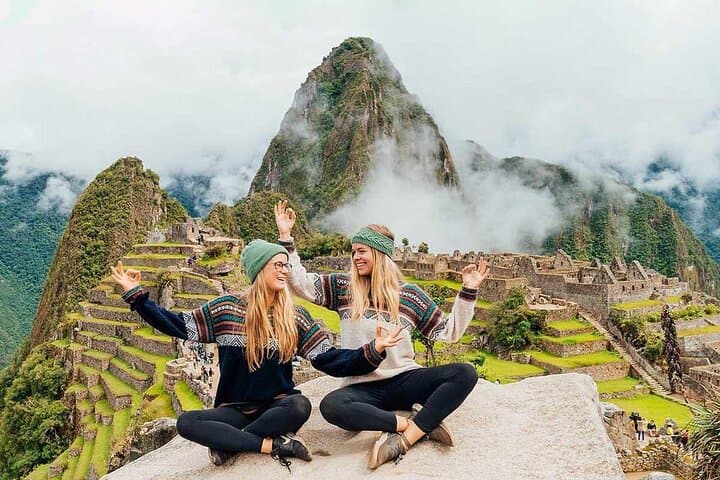
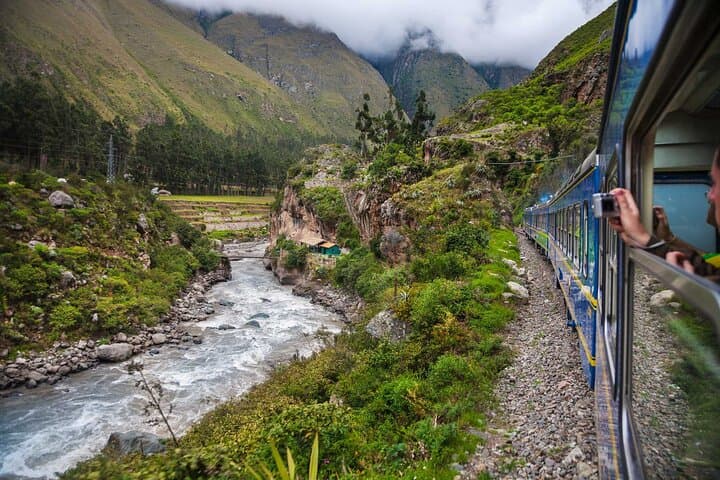
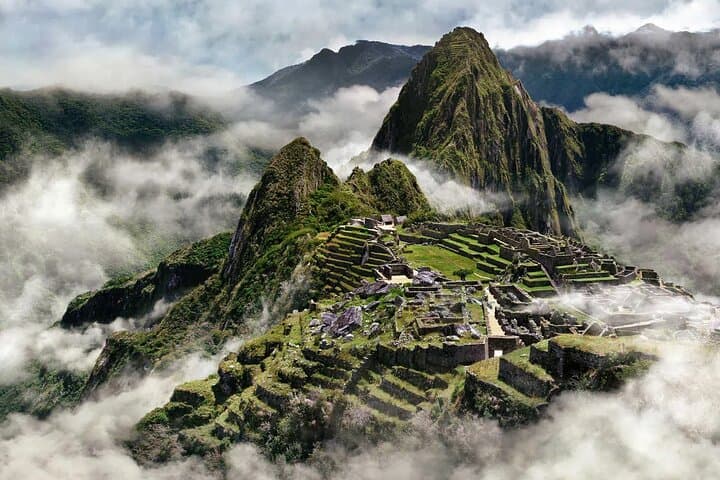
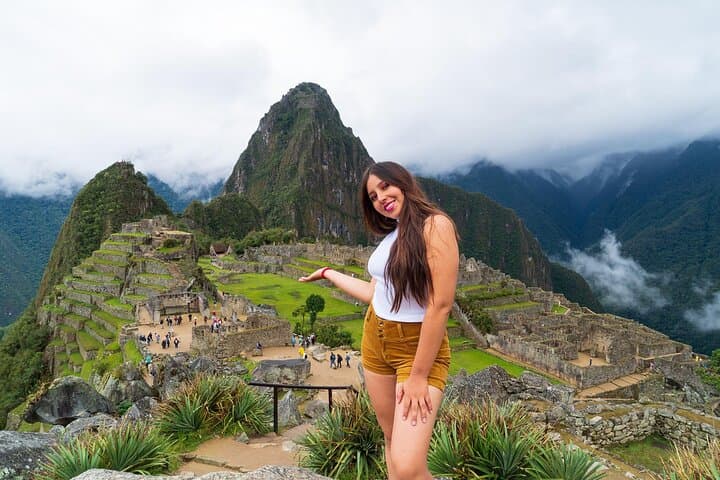
You step off the morning train with mist clinging to steep, green terraces and the Urubamba River carving a bright line below. The town at the railhead hums with last-minute empanadas and the distant call of tour buses; within an hour you’ll ride a switchback bus into the stone heart of Machu Picchu, the citadel rising like a deliberate ruin held together by fit stones and Andean weather.
You step off the morning train with mist clinging to steep, green terraces and the Urubamba River carving a bright line below. The town at the railhead hums with last-minute empanadas and the distant call of tour buses; within an hour you’ll ride a switchback bus into the stone heart of Machu Picchu, the citadel rising like a deliberate ruin held together by fit stones and Andean weather.
The city was built in the 15th century under Inca ruler Pachacuti, sited on a granite spine where tectonic uplift and erosion created narrow ridges and hanging valleys. The layout separates agricultural terraces from urban plazas; temples align with mountain peaks and sunrise angles. Today, Quechua culture still threads local markets, and Aguas Calientes supplies the food, guides, and river-side hot springs that service travelers.
Practically: this full-day trip starts before dawn in Cusco with a transfer to Ollantaytambo, followed by a scenic 2–2.5 hour train ride through cloud forest to Aguas Calientes, a short bus climb to the control gate, and a guided 2–3 hour walk through the main sectors of the citadel. Expect uneven stone steps, short steep sections, and strong sun when the clouds clear. Altitude and a long day are the primary challenges—pace yourself, hydrate, and wear grippy footwear. Tickets to Machu Picchu and certain summit hikes (Huayna Picchu/Wakay Wayna) sell out; bring your passport for entry. If you have only one day, this itinerary gives a concentrated dose of history, geology, and highland culture with the convenience of rail travel and the hard edges of real Andean terrain.