THE ADVENTURE COLLECTIVE® · Independent discovery and booking for outdoor travel

Explore Luxor’s West Bank in a private full-day tour that covers the Valley of the Kings, Hatshepsut’s terraces, Medinet Habu and Deir el-Medina. This guide outlines what to expect on terrain, weather, access, and practical prep for a full day of archaeology and desert views.
Explore Luxor’s West Bank in a private full-day tour that covers the Valley of the Kings, Hatshepsut’s terraces, Medinet Habu and Deir el-Medina. This guide outlines what to expect on terrain, weather, access, and practical prep for a full day of archaeology and desert views.
Heat presses against the plastered stone as you step off the air-conditioned minivan onto the west bank of the Nile. Cliffs rise like folded pages, their faces cut with doorways that open into painted chambers; the river glints across the plain and seems to dare you to linger. A private Egyptologist leads the pace: a measured walk through corridors of the Valley of the Kings, terraces at Deir el-Bahari, then the carved façades of Medinet Habu and the quiet lanes of Deir el-Medina.
Verified experiences and guided adventures in the surrounding area.
Operated by Egypt Holiday Makers Travel · Luxor, Luxor Governorate
Heat presses against the plastered stone as you step off the air-conditioned minivan onto the west bank of the Nile. Cliffs rise like folded pages, their faces cut with doorways that open into painted chambers; the river glints across the plain and seems to dare you to linger. A private Egyptologist leads the pace: a measured walk through corridors of the Valley of the Kings, terraces at Deir el-Bahari, then the carved façades of Medinet Habu and the quiet lanes of Deir el-Medina.
This landscape is the Theban Necropolis, the burial zone for New Kingdom pharaohs and their courts. The geology is limestone and sandstone—soft enough to carve detailed reliefs yet prone to erosion—so many tombs are fragile and conservation rules are tight. Culturally, these sites reveal funerary practices, the power of mortuary cults, and the daily life of artisans who lived on the plateau.
Expect uneven stone steps, narrow chambers, and low light inside tombs; outside, broad desert views and scattered columns reward pauses. Most visits include museum or ticket logistics handled by the guide; some tombs require separate entry fees and limited access. Bring sun protection, plan for a mid-day break when heat peaks, and allow 7–8 hours for a relaxed private itinerary. Photography rules vary by tomb—follow your guide to protect pigments and avoid fines.
Practical: start early to avoid crowds, carry 2–3 liters of water, wear closed shoes with grip for steep steps, and keep dress modest to respect local norms.
moderate.
7–8 hours.
Moderate fitness; ability to walk on uneven ground, climb stairs, and tolerate heat for several hours
Some tour options include entry fees; others require you to pay on-site—confirm when booking and bring cash or card for selective tombs like Tutankhamun’s.
Transport can be wheelchair accessible, but many tomb interiors have narrow passages and steps; accessibility inside tombs is limited.
Begin early (morning) to avoid the hottest hours and larger tour groups; late afternoon can be cooler but some sites close earlier.
A certified Egyptologist or trained guide significantly enhances context and navigation of ticket rules; private tours typically include one.
The Theban West Bank served as the burial landscape for New Kingdom pharaohs (c. 1550–1069 BCE), with necropolis settlements and mortuary temples built against the cliffs.
Tomb interiors contain delicate pigments; limiting flash photography and following managed access helps preserve wall paintings and carvings for future visitors.
Egypt Holiday Makers Travel operates guided outdoor trips and adventures with an emphasis on safety, stewardship, and memorable experiences.
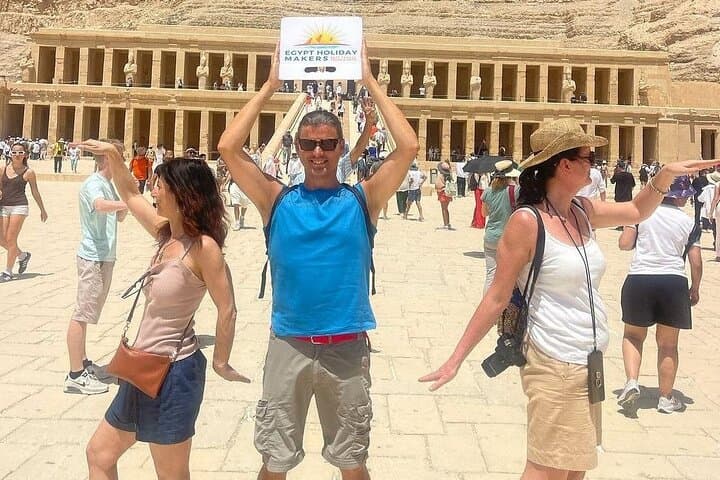
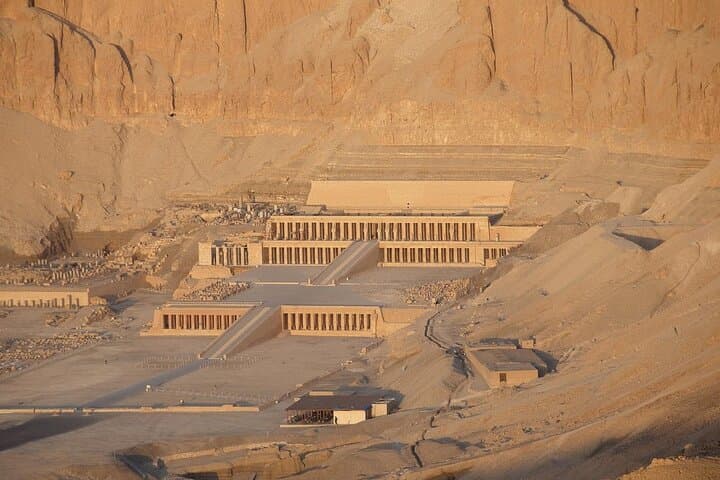
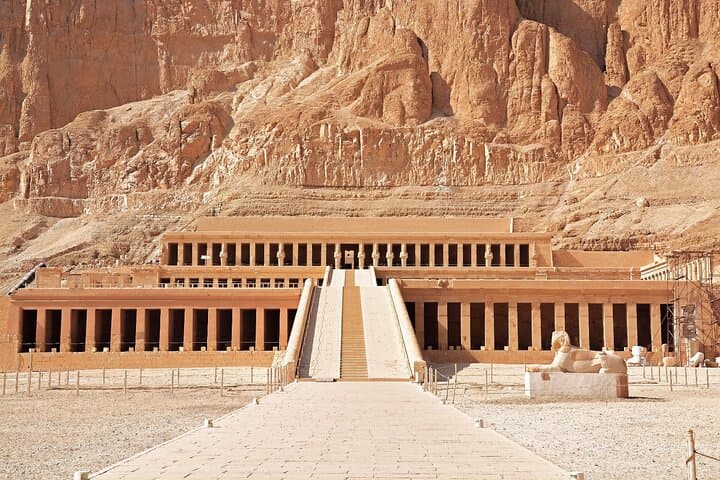
Heat presses against the plastered stone as you step off the air-conditioned minivan onto the west bank of the Nile. Cliffs rise like folded pages, their faces cut with doorways that open into painted chambers; the river glints across the plain and seems to dare you to linger. A private Egyptologist leads the pace: a measured walk through corridors of the Valley of the Kings, terraces at Deir el-Bahari, then the carved façades of Medinet Habu and the quiet lanes of Deir el-Medina.
Heat presses against the plastered stone as you step off the air-conditioned minivan onto the west bank of the Nile. Cliffs rise like folded pages, their faces cut with doorways that open into painted chambers; the river glints across the plain and seems to dare you to linger. A private Egyptologist leads the pace: a measured walk through corridors of the Valley of the Kings, terraces at Deir el-Bahari, then the carved façades of Medinet Habu and the quiet lanes of Deir el-Medina.
This landscape is the Theban Necropolis, the burial zone for New Kingdom pharaohs and their courts. The geology is limestone and sandstone—soft enough to carve detailed reliefs yet prone to erosion—so many tombs are fragile and conservation rules are tight. Culturally, these sites reveal funerary practices, the power of mortuary cults, and the daily life of artisans who lived on the plateau.
Expect uneven stone steps, narrow chambers, and low light inside tombs; outside, broad desert views and scattered columns reward pauses. Most visits include museum or ticket logistics handled by the guide; some tombs require separate entry fees and limited access. Bring sun protection, plan for a mid-day break when heat peaks, and allow 7–8 hours for a relaxed private itinerary. Photography rules vary by tomb—follow your guide to protect pigments and avoid fines.
Practical: start early to avoid crowds, carry 2–3 liters of water, wear closed shoes with grip for steep steps, and keep dress modest to respect local norms.