THE ADVENTURE COLLECTIVE® · Independent discovery and booking for outdoor travel

Explore Luxor’s east and west banks in a single day, moving from Karnak’s towering pylons to the intimate painted chambers of the Valley of the Kings. This guided tour balances archaeology, accessible hiking, and practical logistics—perfect for focused travelers.
Explore Luxor’s east and west banks in a single day, moving from Karnak’s towering pylons to the intimate painted chambers of the Valley of the Kings. This guided tour balances archaeology, accessible hiking, and practical logistics—perfect for focused travelers.
Dawn breaks over the Nile and the stone silhouettes of Luxor slide into focus: colonnades catching light, a sandstone ramp rising to Hatshepsut’s terraces, and the low hum of motorboats crossing to the West Bank. On a full-day circuit of Luxor’s east and west banks you move from temple courtyards into painted tomb chambers—each space insisting you slow down and read its walls.
Verified experiences and guided adventures in the surrounding area.
Operated by Nile Prince Travel · Luxor, Luxor Governorate
Dawn breaks over the Nile and the stone silhouettes of Luxor slide into focus: colonnades catching light, a sandstone ramp rising to Hatshepsut’s terraces, and the low hum of motorboats crossing to the West Bank. On a full-day circuit of Luxor’s east and west banks you move from temple courtyards into painted tomb chambers—each space insisting you slow down and read its walls.
This route threads the city once called Thebes, the New Kingdom capital where pharaohs concentrated political power and funerary wealth. Geologically, the soft sandstone and limestone of the Nile floodplain made elaborate temple facades and intricate tombs possible, and their erosion patterns tell a long story of wind and water. Culturally, Luxor remains a living place: farmers, ferry operators, and craftsmen continue practices shaped by millennia of Nile rhythms.
Expect long, mostly flat walking between sites but uneven stone floors and stairways inside temples and tombs. The Valley of the Kings requires stooped movement and care around low ceilings; Karnak’s avenues demand sun protection and steady footing. A licensed Egyptologist guide decodes iconography, dates dynasties, and points out architectural choices that escape casual notice.
Practical tips: start early to miss heat and crowds, carry a refillable water bottle, and wear soles that handle sand and polished stone. Respect site rules—no flash photography in many tombs—and budget 7–8 hours to fully visit Luxor Temple, Karnak, Hatshepsut’s Mortuary Temple, the Colossi of Memnon, and several royal tombs.
easy.
7–8 hours.
Suitable for travelers in average fitness who can walk 2–4 miles across uneven terrain and climb short stair sections.
Yes. The itinerary indicates admission to major sites on both banks is included in this private tour.
The operator notes wheelchair-accessible transportation and sites where feasible, but many tomb interiors have low ceilings and steps that limit access—check specifics before booking.
The tour lasts approximately 7–8 hours (420–480 minutes) and typically includes hotel pickup, visits to Karnak and Luxor Temples, the Valley of the Kings, Hatshepsut’s Mortuary Temple, and Colossi of Memnon with a lunch break.
Lunch is included at a local restaurant; indicate dietary restrictions during booking so the guide can arrange suitable options.
Luxor sits on the site of ancient Thebes, the New Kingdom capital where pharaohs built massive mortuary complexes and redirected religious life around the god Amun.
Sites are fragile: follow path rules, avoid touching reliefs, and minimize plastic use. Supporting licensed guides and local businesses helps preserve both the monuments and community livelihoods.
Nile Prince Travel operates guided outdoor trips and adventures with an emphasis on safety, stewardship, and memorable experiences.
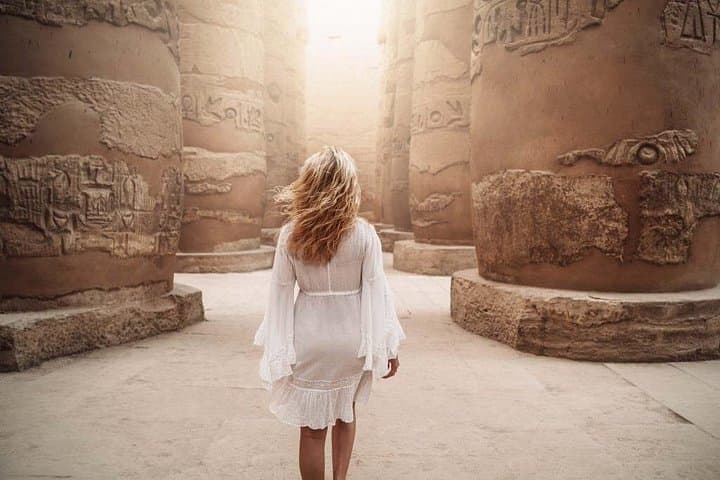
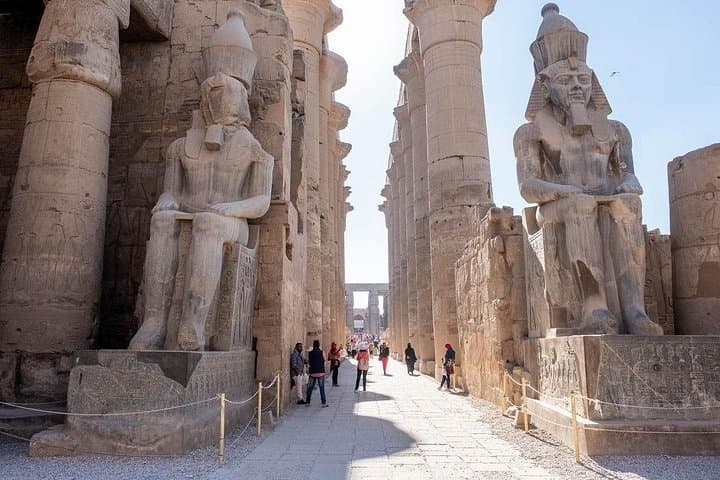
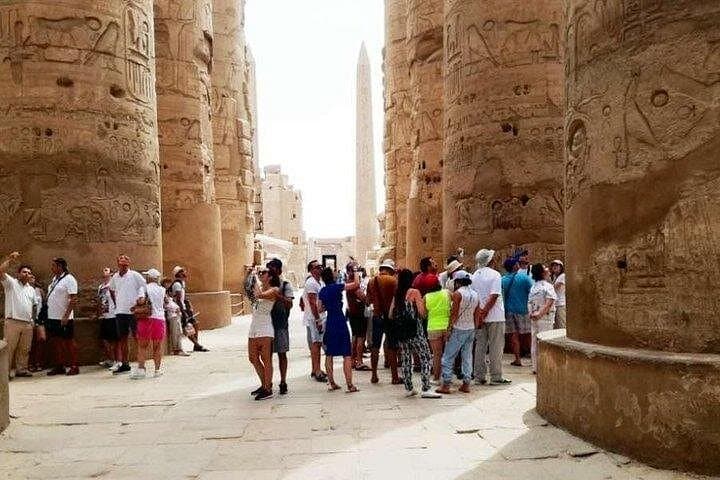
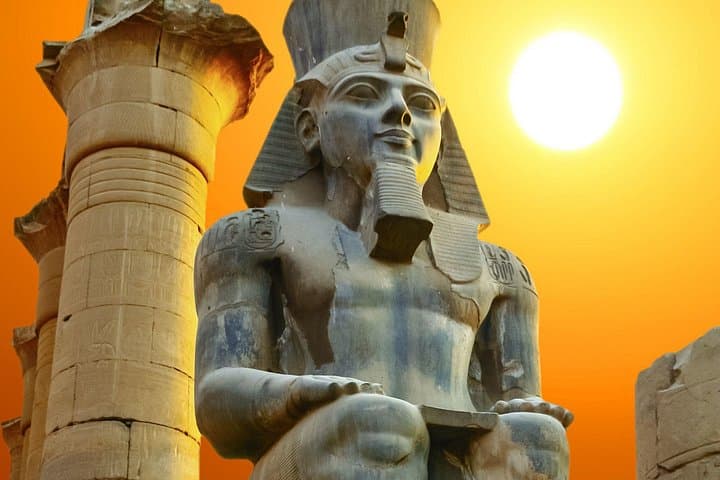
Dawn breaks over the Nile and the stone silhouettes of Luxor slide into focus: colonnades catching light, a sandstone ramp rising to Hatshepsut’s terraces, and the low hum of motorboats crossing to the West Bank. On a full-day circuit of Luxor’s east and west banks you move from temple courtyards into painted tomb chambers—each space insisting you slow down and read its walls.
Dawn breaks over the Nile and the stone silhouettes of Luxor slide into focus: colonnades catching light, a sandstone ramp rising to Hatshepsut’s terraces, and the low hum of motorboats crossing to the West Bank. On a full-day circuit of Luxor’s east and west banks you move from temple courtyards into painted tomb chambers—each space insisting you slow down and read its walls.
This route threads the city once called Thebes, the New Kingdom capital where pharaohs concentrated political power and funerary wealth. Geologically, the soft sandstone and limestone of the Nile floodplain made elaborate temple facades and intricate tombs possible, and their erosion patterns tell a long story of wind and water. Culturally, Luxor remains a living place: farmers, ferry operators, and craftsmen continue practices shaped by millennia of Nile rhythms.
Expect long, mostly flat walking between sites but uneven stone floors and stairways inside temples and tombs. The Valley of the Kings requires stooped movement and care around low ceilings; Karnak’s avenues demand sun protection and steady footing. A licensed Egyptologist guide decodes iconography, dates dynasties, and points out architectural choices that escape casual notice.
Practical tips: start early to miss heat and crowds, carry a refillable water bottle, and wear soles that handle sand and polished stone. Respect site rules—no flash photography in many tombs—and budget 7–8 hours to fully visit Luxor Temple, Karnak, Hatshepsut’s Mortuary Temple, the Colossi of Memnon, and several royal tombs.