THE ADVENTURE COLLECTIVE® · Independent discovery and booking for outdoor travel

Spend a full day moving through Luxor’s great monuments—from the Colossi of Memnon and the Valley of the Kings to Hatshepsut’s terraces and the vast halls of Karnak. This guide outlines what to expect, history, and practical tips for a smoother visit.
Spend a full day moving through Luxor’s great monuments—from the Colossi of Memnon and the Valley of the Kings to Hatshepsut’s terraces and the vast halls of Karnak. This guide outlines what to expect, history, and practical tips for a smoother visit.
Morning light lifts off the Nile and falls across sandstone colossi as the tour van pulls away from the palm-lined corniche. You enter the sweep of ancient Thebes: stone avenues, carved reliefs, and temple pylons that still command the horizon. The day moves from the hulking Colossi of Memnon to the shadowed corridors of tombs, then onto Hatshepsut’s terraced temple and the columned vastness of Karnak.
Verified experiences and guided adventures in the surrounding area.
Operated by Graceway Travel · Luxor, Luxor Governorate
Morning light lifts off the Nile and falls across sandstone colossi as the tour van pulls away from the palm-lined corniche. You enter the sweep of ancient Thebes: stone avenues, carved reliefs, and temple pylons that still command the horizon. The day moves from the hulking Colossi of Memnon to the shadowed corridors of tombs, then onto Hatshepsut’s terraced temple and the columned vastness of Karnak.
Luxor occupies the heart of Upper Egypt; the city was once Thebes, capital of the New Kingdom and a center of pharaonic power. Geologically, the limestone and sandstone cliffs on the West Bank were quarried for tombs and temples, the soft rock holding frescos for millennia. Culturally, Luxor’s sites map a timeline of ritual, royal display, and funerary practice—here kings built to outlast the flood.
Expect a mix of open courtyards and narrow tomb passageways, uneven stone steps, and desert winds that carry fine dust. The tour typically includes hotel pickup, an Egyptologist guide, and air-conditioned transport; note some tombs require separate entry fees and that photography rules vary. Plan for sun, hydration, and comfortable shoes: mornings are best for cooler light and clearer photos; late afternoons bring long shadows and fewer crowds.
Practical tips: carry a copy of your passport for tickets, use a sun hat and sunscreen, and budget time for lines at major sites. Respect barriers and don’t touch painted reliefs—your presence is part of keeping these places standing for future travelers.
easy.
8–9 hours.
Suitable for travelers who can walk 3–5 miles over uneven ground and climb stairs; minimal endurance required.
Some temple admissions may be included while key tombs in the Valley of the Kings often require separate tickets; check the operator’s inclusions before booking.
Yes — this tour typically includes hotel pickup and drop-off within Luxor city; confirm your pickup point when booking.
The itinerary is family-friendly and labeled physically easy; infants often ride in strollers but must sit on an adult’s lap for transport.
Photography rules vary: some tombs prohibit flash and photography, while exterior temples generally allow photos—follow posted signs and guide instructions.
Luxor was ancient Thebes, political and religious heart of Egypt’s New Kingdom; many temples were expanded over 1,000+ years by successive pharaohs.
High visitor volume stresses fragile surfaces; stay on marked routes, avoid touching painted reliefs, and use local guides who support site preservation.
Graceway Travel operates guided outdoor trips and adventures with an emphasis on safety, stewardship, and memorable experiences.
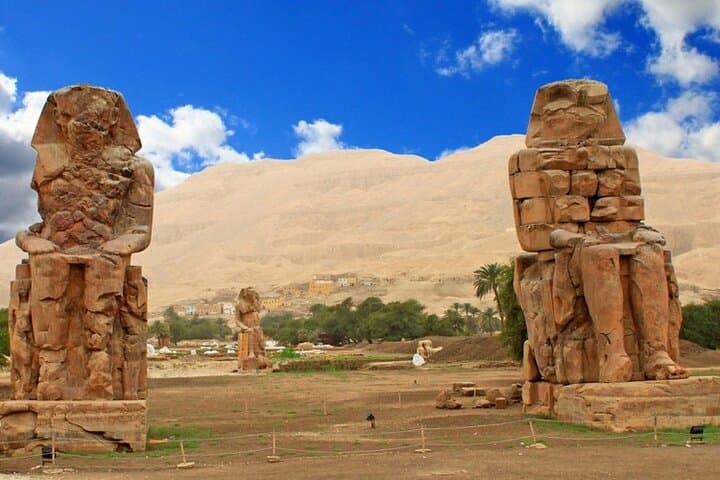
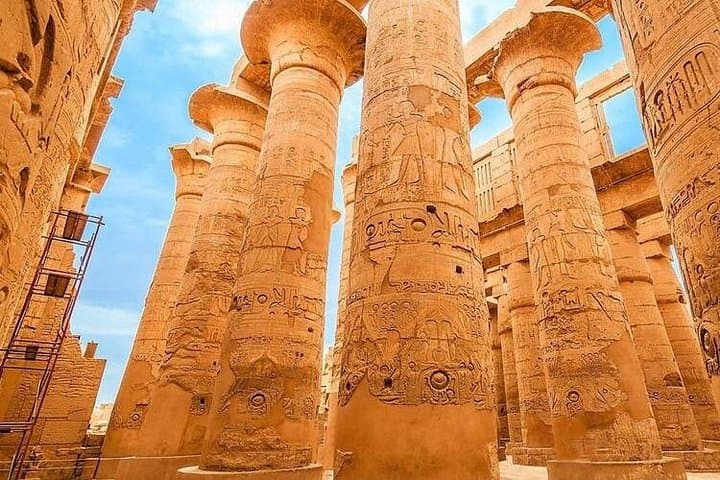
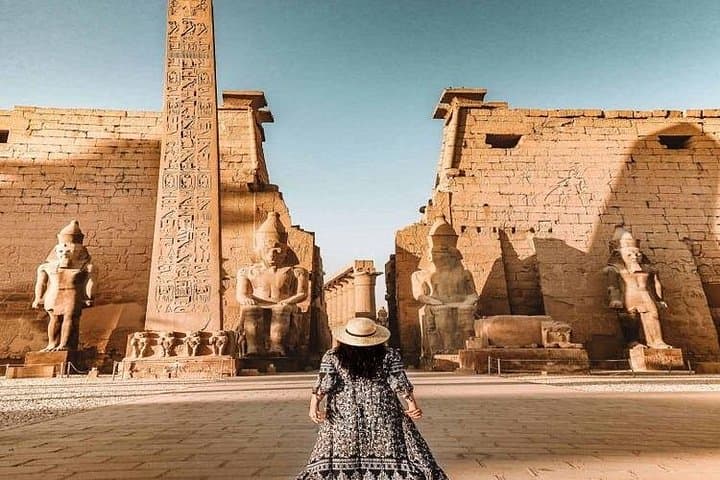
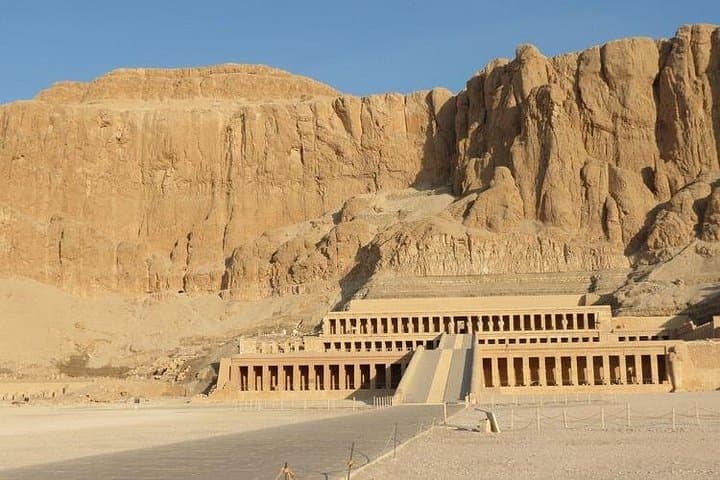
Morning light lifts off the Nile and falls across sandstone colossi as the tour van pulls away from the palm-lined corniche. You enter the sweep of ancient Thebes: stone avenues, carved reliefs, and temple pylons that still command the horizon. The day moves from the hulking Colossi of Memnon to the shadowed corridors of tombs, then onto Hatshepsut’s terraced temple and the columned vastness of Karnak.
Morning light lifts off the Nile and falls across sandstone colossi as the tour van pulls away from the palm-lined corniche. You enter the sweep of ancient Thebes: stone avenues, carved reliefs, and temple pylons that still command the horizon. The day moves from the hulking Colossi of Memnon to the shadowed corridors of tombs, then onto Hatshepsut’s terraced temple and the columned vastness of Karnak.
Luxor occupies the heart of Upper Egypt; the city was once Thebes, capital of the New Kingdom and a center of pharaonic power. Geologically, the limestone and sandstone cliffs on the West Bank were quarried for tombs and temples, the soft rock holding frescos for millennia. Culturally, Luxor’s sites map a timeline of ritual, royal display, and funerary practice—here kings built to outlast the flood.
Expect a mix of open courtyards and narrow tomb passageways, uneven stone steps, and desert winds that carry fine dust. The tour typically includes hotel pickup, an Egyptologist guide, and air-conditioned transport; note some tombs require separate entry fees and that photography rules vary. Plan for sun, hydration, and comfortable shoes: mornings are best for cooler light and clearer photos; late afternoons bring long shadows and fewer crowds.
Practical tips: carry a copy of your passport for tickets, use a sun hat and sunscreen, and budget time for lines at major sites. Respect barriers and don’t touch painted reliefs—your presence is part of keeping these places standing for future travelers.