THE ADVENTURE COLLECTIVE® · Independent discovery and booking for outdoor travel

Explore Luxor’s greatest monuments in a single day: Valley of the Kings, Hatshepsut’s temple and Karnak. This full-day tour blends concentrated history with practical logistics—hotel pickup, lunch, and a knowledgeable guide to navigate the sites.
Explore Luxor’s greatest monuments in a single day: Valley of the Kings, Hatshepsut’s temple and Karnak. This full-day tour blends concentrated history with practical logistics—hotel pickup, lunch, and a knowledgeable guide to navigate the sites.
Morning light slants across the Nile as the minivan pulls away from Luxor’s riverfront; sand and stone replace the city’s bustle and the air smells faintly of dust and date palms. Over the course of a single, deliberate day you move between the East and West Banks—from the hypostyle hall’s forest of columns to the cool, painted corridors of royal tombs—each stop revealing a different tempo of ancient Egypt.
Verified experiences and guided adventures in the surrounding area.
Operated by Goto Egypt Tours · Luxor, Luxor Governorate
Morning light slants across the Nile as the minivan pulls away from Luxor’s riverfront; sand and stone replace the city’s bustle and the air smells faintly of dust and date palms. Over the course of a single, deliberate day you move between the East and West Banks—from the hypostyle hall’s forest of columns to the cool, painted corridors of royal tombs—each stop revealing a different tempo of ancient Egypt.
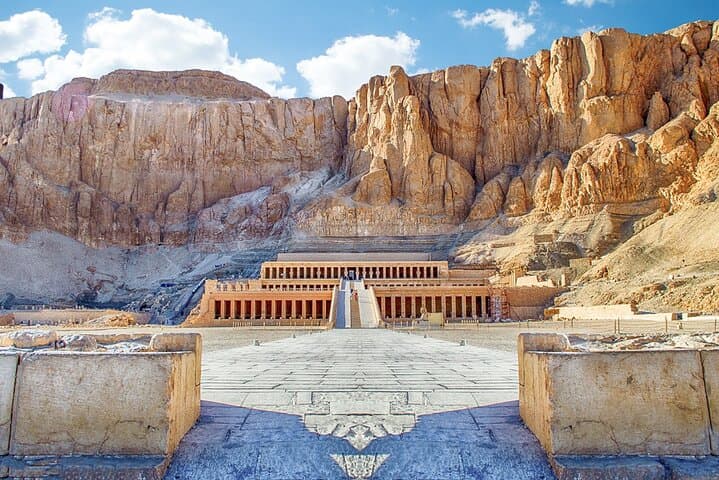
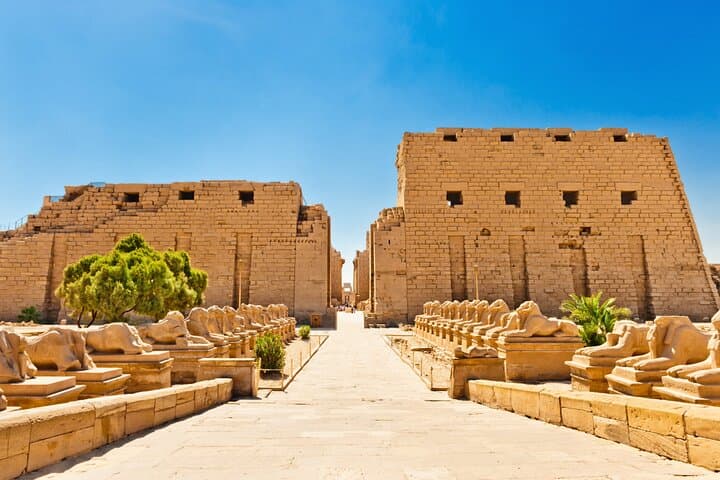
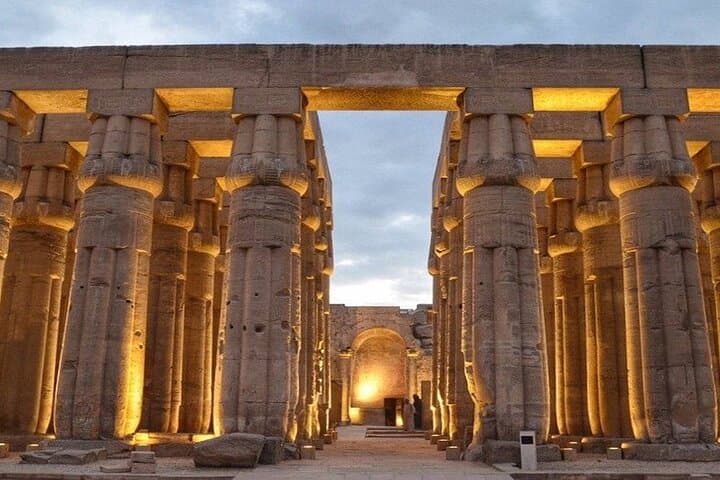
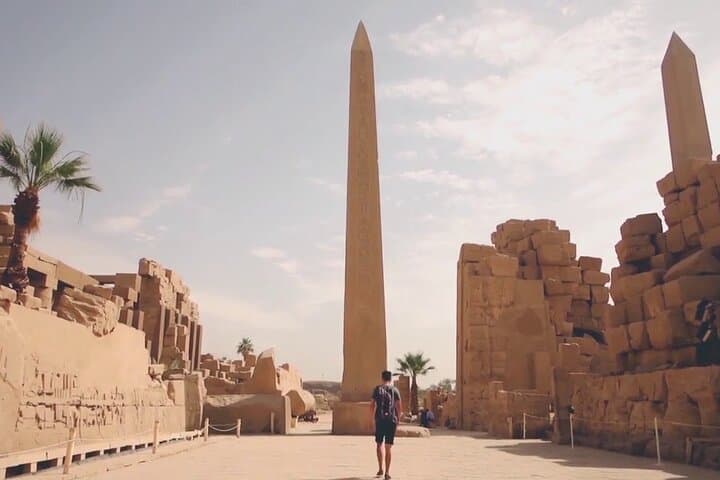
Luxor occupies the site of ancient Thebes, the New Kingdom’s ceremonial heart. The Valley of the Kings holds rock-cut tombs with funerary art dating to roughly 1500–1100 BC; across the river Hatshepsut’s terraced temple is chiseled into limestone cliffs. Karnak grows from centuries of incremental building—obelisks, sphinx avenues and a hall of 134 columns that record pharaohs’ ambitions in stone.
Expect guided interpretation, short walks on uneven stone and stairways, and a mid-day lunch in town. Photographs are allowed in some outdoor areas but not inside many tombs; entry tickets for certain tombs may be extra. Temperatures can spike—shade is sparse at open temple sites—so plan early starts and steady hydration. Comfortable, grippy shoes and sun protection make the walking easier; the pace is steady but accessible for most travelers.
Practical timing: the itinerary typically runs eight hours with hotel pickup and drop-off, and the tour balances travel time between sites with focused exploration. Bring a lightweight daypack, local cash for admissions and tips, and a curious patience—the monuments reward close observation.
easy.
8 hours.
Suitable for most fitness levels; requires standing, walking short uneven segments and climbing stairs.
Most standard tour prices exclude site-specific entrance fees like individual tomb access; guides will advise what requires separate tickets.
Yes—this tour includes hotel pickup and drop-off within Luxor city limits; confirm your pickup point when booking.
Many areas and the transport are wheelchair accessible, but some tombs and temple areas have stairs or uneven ground—check specifics with the operator before booking.
October–April offers milder temperatures and more comfortable walking conditions; summers are very hot and require early starts and extra water.
Luxor sits on ancient Thebes, the New Kingdom capital where pharaohs built monumental mortuary complexes and elaborately decorated royal tombs.
Tomb pigments and fragile stonework are sensitive to humidity and touch; follow guide instructions, avoid flash photography inside preserved chambers, and use marked paths to limit erosion.
Goto Egypt Tours operates guided outdoor trips and adventures with an emphasis on safety, stewardship, and memorable experiences.
Morning light slants across the Nile as the minivan pulls away from Luxor’s riverfront; sand and stone replace the city’s bustle and the air smells faintly of dust and date palms. Over the course of a single, deliberate day you move between the East and West Banks—from the hypostyle hall’s forest of columns to the cool, painted corridors of royal tombs—each stop revealing a different tempo of ancient Egypt.
Morning light slants across the Nile as the minivan pulls away from Luxor’s riverfront; sand and stone replace the city’s bustle and the air smells faintly of dust and date palms. Over the course of a single, deliberate day you move between the East and West Banks—from the hypostyle hall’s forest of columns to the cool, painted corridors of royal tombs—each stop revealing a different tempo of ancient Egypt.
Luxor occupies the site of ancient Thebes, the New Kingdom’s ceremonial heart. The Valley of the Kings holds rock-cut tombs with funerary art dating to roughly 1500–1100 BC; across the river Hatshepsut’s terraced temple is chiseled into limestone cliffs. Karnak grows from centuries of incremental building—obelisks, sphinx avenues and a hall of 134 columns that record pharaohs’ ambitions in stone.
Expect guided interpretation, short walks on uneven stone and stairways, and a mid-day lunch in town. Photographs are allowed in some outdoor areas but not inside many tombs; entry tickets for certain tombs may be extra. Temperatures can spike—shade is sparse at open temple sites—so plan early starts and steady hydration. Comfortable, grippy shoes and sun protection make the walking easier; the pace is steady but accessible for most travelers.
Practical timing: the itinerary typically runs eight hours with hotel pickup and drop-off, and the tour balances travel time between sites with focused exploration. Bring a lightweight daypack, local cash for admissions and tips, and a curious patience—the monuments reward close observation.