THE ADVENTURE COLLECTIVE® · Independent discovery and booking for outdoor travel

Fly from Cairo for a concentrated day in Luxor: walk Karnak’s towering halls, enter New Kingdom tombs in the Valley of the Kings, and see Hatshepsut’s terraced mortuary temple. This private tour pairs a local Egyptologist with domestic flights and transfers for an efficient cultural deep-dive.
Fly from Cairo for a concentrated day in Luxor: walk Karnak’s towering halls, enter New Kingdom tombs in the Valley of the Kings, and see Hatshepsut’s terraced mortuary temple. This private tour pairs a local Egyptologist with domestic flights and transfers for an efficient cultural deep-dive.
You step off the short domestic flight and the Nile’s heat greets you like a living thing — dry, persistent, and full of history. The day unfolds across two banks: the East’s sandstone colonnades at Karnak and Luxor temples, and the West’s ochre cliffs that hide royal tombs. A private Egyptologist leads the pace, moving from monumental pylons to the carved corridors where pharaohs plotted eternity.
Verified experiences and guided adventures in the surrounding area.
Operated by LUXOR TOUR GUIDE · Luxor, Luxor Governorate
You step off the short domestic flight and the Nile’s heat greets you like a living thing — dry, persistent, and full of history. The day unfolds across two banks: the East’s sandstone colonnades at Karnak and Luxor temples, and the West’s ochre cliffs that hide royal tombs. A private Egyptologist leads the pace, moving from monumental pylons to the carved corridors where pharaohs plotted eternity.
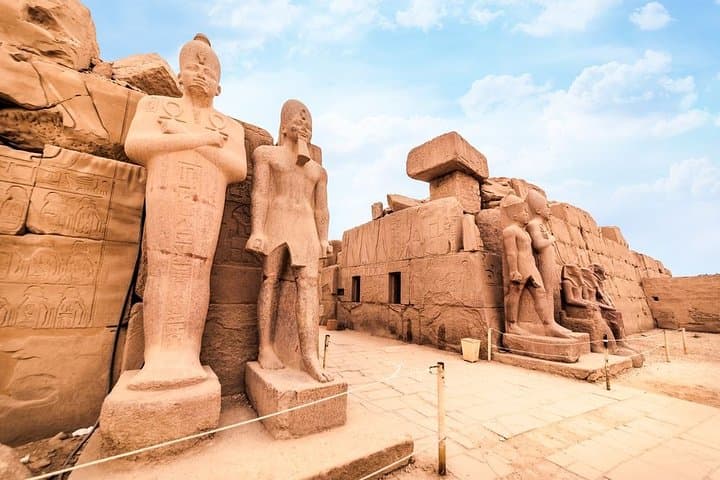
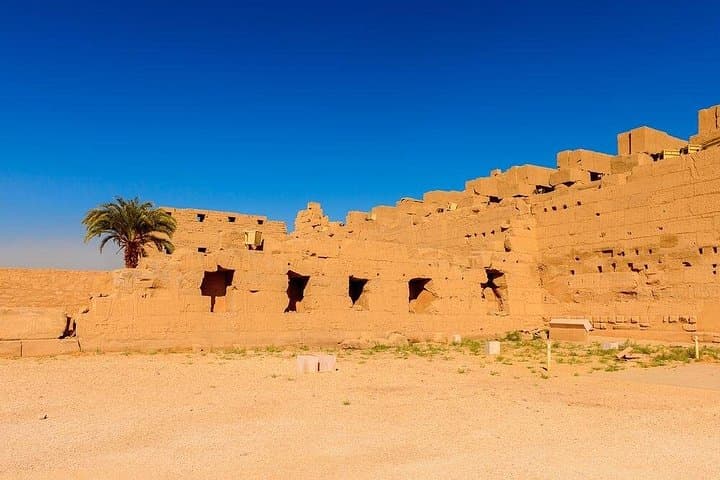
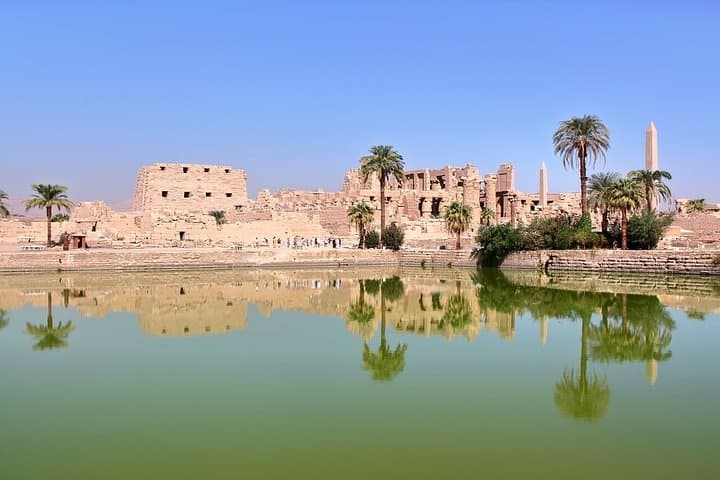
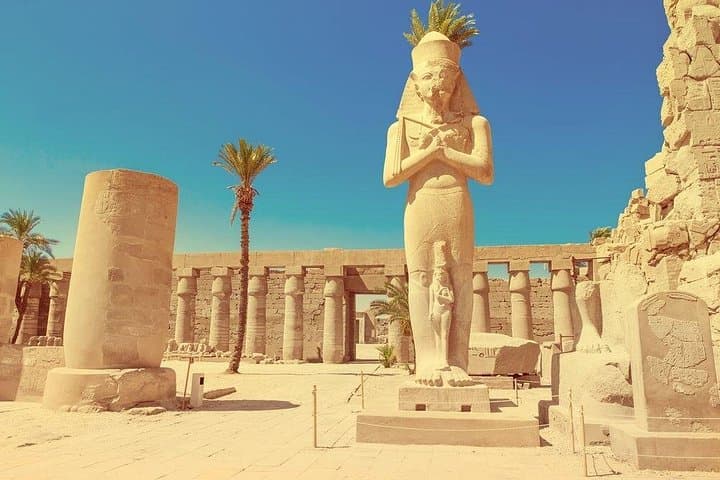
Karnak grew over 1,500 years; its hypostyle hall’s pillars record expansions by successive kings. Across the river, Luxor Temple sits at the city’s heart, a later complement to the religious axis. The Valley of the Kings cuts into the Theban Plateau — soft limestone and shelly rock that made deep, cool tombs possible and preserved vivid wall paintings. Hatshepsut’s terraced mortuary temple at Deir el-Bahari reads like an architectural declaration: a woman claiming pharaonic identity against a dramatic cliff backdrop.
Culturally, expect polite bargaining at stalls, roadside tea, and the steady flow of Dahabiya and cruise traffic on the Nile. Geology is visible everywhere — erosion lines on the cliffs and the black silt farms below the floodplain.
Practical guidance: start before dawn, carry sun protection and plenty of water, and wear shoes with grip for uneven stone and steps. Cameras are welcome but note some tomb photography requires a separate fee and flash is often prohibited. Plan for security checks and moderate walking: some sites are flat, others include staircases and narrow passages. With domestic flights included and private transfers, the day compresses Luxor’s sweep into an efficient, intensive single-day immersion.
moderate.
10–12 hours.
Good for travelers comfortable with a full day of walking, stair climbs, and standing; minimal technical fitness required.
Yes — entrance fees to the mentioned historical places are included in the tour price.
Domestic round-trip flights between Cairo and Luxor, plus private air-conditioned transfers and hotel pickup/return in Cairo, are included.
The tour is described as wheelchair accessible in some areas, but several sites include steps and uneven terrain; check specific mobility needs with the operator in advance.
Lunch at a local restaurant is included; the itinerary is full but allows short rest periods between major sites.
Luxor sits on ancient Thebes, once the political and religious center of New Kingdom Egypt; temples and tombs reflect millennia of consecutive royal building programs.
Visitor impact is managed through ticketing and restricted areas; stick to marked paths, avoid touching painted surfaces, and use bottled water disposal responsibly.
LUXOR TOUR GUIDE operates guided outdoor trips and adventures with an emphasis on safety, stewardship, and memorable experiences.
You step off the short domestic flight and the Nile’s heat greets you like a living thing — dry, persistent, and full of history. The day unfolds across two banks: the East’s sandstone colonnades at Karnak and Luxor temples, and the West’s ochre cliffs that hide royal tombs. A private Egyptologist leads the pace, moving from monumental pylons to the carved corridors where pharaohs plotted eternity.
You step off the short domestic flight and the Nile’s heat greets you like a living thing — dry, persistent, and full of history. The day unfolds across two banks: the East’s sandstone colonnades at Karnak and Luxor temples, and the West’s ochre cliffs that hide royal tombs. A private Egyptologist leads the pace, moving from monumental pylons to the carved corridors where pharaohs plotted eternity.
Karnak grew over 1,500 years; its hypostyle hall’s pillars record expansions by successive kings. Across the river, Luxor Temple sits at the city’s heart, a later complement to the religious axis. The Valley of the Kings cuts into the Theban Plateau — soft limestone and shelly rock that made deep, cool tombs possible and preserved vivid wall paintings. Hatshepsut’s terraced mortuary temple at Deir el-Bahari reads like an architectural declaration: a woman claiming pharaonic identity against a dramatic cliff backdrop.
Culturally, expect polite bargaining at stalls, roadside tea, and the steady flow of Dahabiya and cruise traffic on the Nile. Geology is visible everywhere — erosion lines on the cliffs and the black silt farms below the floodplain.
Practical guidance: start before dawn, carry sun protection and plenty of water, and wear shoes with grip for uneven stone and steps. Cameras are welcome but note some tomb photography requires a separate fee and flash is often prohibited. Plan for security checks and moderate walking: some sites are flat, others include staircases and narrow passages. With domestic flights included and private transfers, the day compresses Luxor’s sweep into an efficient, intensive single-day immersion.