
Full-Day Luxor Adventure: Valley of the Kings, Hatshepsut & Karnak
Explore Luxor in a single, well-paced day: tombs in the Valley of the Kings, Hatshepsut’s terraced mortuary temple, the Colossi of Memnon and the vast Karnak complex. This guided tour mixes efficient logistics with deep historical context—ideal for travelers wanting maximum discovery in nine hours.
An Adventure In Luxor.
Explore Luxor in a single, well-paced day: tombs in the Valley of the Kings, Hatshepsut’s terraced mortuary temple, the Colossi of Memnon and the vast Karnak complex. This guided tour mixes efficient logistics with deep historical context—ideal for travelers wanting maximum discovery in nine hours.
Read the full experience
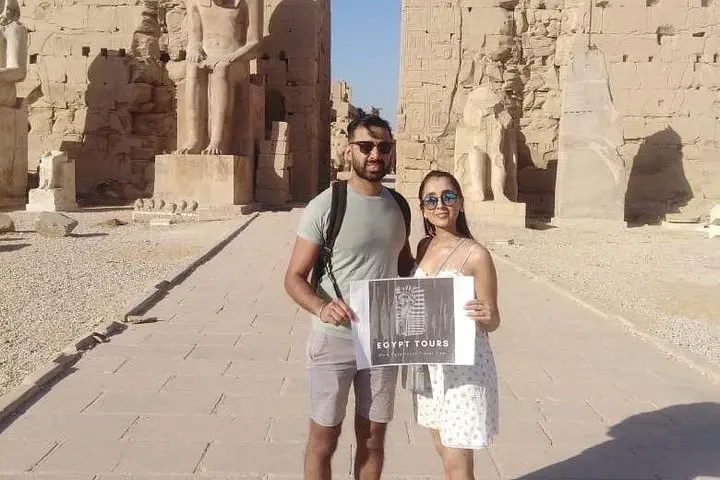
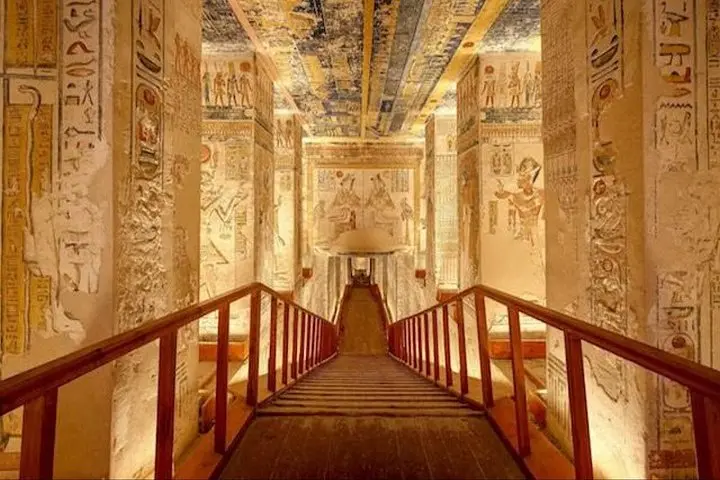
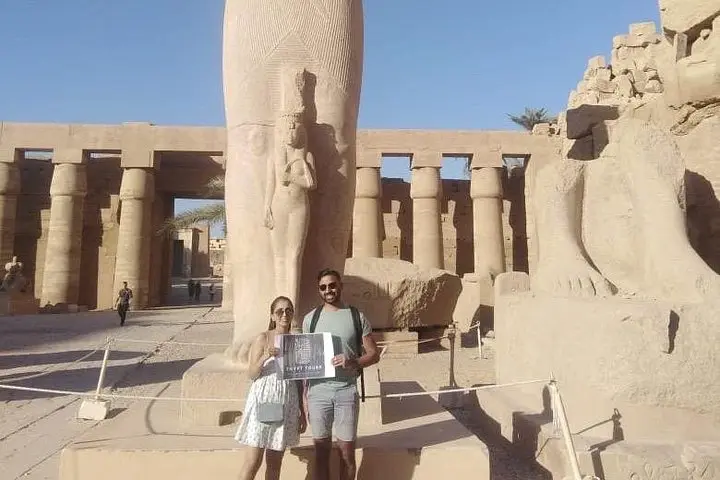
You step off the air-conditioned vehicle into a wash of sunlight and dry air; the Nile murmurs on the far bank and the desert seems to hold its breath. The day begins on the West Bank among low, sandy ridges where the Valley of the Kings cuts into limestone and reveals doorways to another era. Later the desert gives way to colonnaded shade at Hatshepsut’s terraces, then to the broad, forested avenues of Karnak where stone columns rise like planted trees.
You step off the air-conditioned vehicle into a wash of sunlight and dry air; the Nile murmurs on the far bank and the desert seems to hold its breath. The day begins on the West Bank among low, sandy ridges where the Valley of the Kings cuts into limestone and reveals doorways to another era. Later the desert gives way to colonnaded shade at Hatshepsut’s terraces, then to the broad, forested avenues of Karnak where stone columns rise like planted trees.
Luxor occupies the footprint of ancient Thebes—the New Kingdom capital where pharaohs built monumental tombs and temples. The geology is simple: Nile silt plains against exposed Eocene limestone and sandstone, which ancient builders quarried for tombs and pylons. The living culture is a practical one: vendors, local guides and small restaurants that sustain tourism while modern Luxor grows along the river.
Practicalities shape the day as much as ruins. This is a walking-heavy, single-day itinerary with multiple outdoor sites, short walks over uneven stone, and intermittent shade. Expect steps, loose gravel, and stretches in full sun; a local guide manages logistics, entrances, and historical context so you can move efficiently between spots.
Tip-focused preparation pays off: start early, carry sun protection and a refillable water bottle, wear supportive shoes with traction, and keep small bills for entrance fees or tips. With planning, the day delivers layered history, striking stonework and the steady presence of the Nile daring you to look back across millennia.
Frequently asked questions
This tour description indicates admission is not included for most sites; expect to purchase tickets on arrival or through your operator if offered as an upgrade.
The listing notes wheelchair-accessible transportation and surfaces, but some ancient sites have steps and uneven terrain—check with the operator about specific mobility needs.
Professional guides commonly speak English; you can request other languages in advance but confirm at booking.
Photography policies vary by tomb and site—some tombs prohibit flash or any photography, so follow on-site signage and your guide’s instructions.
About This Experience
Egypt Tours Travel operates guided outdoor trips and adventures with an emphasis on safety, stewardship, and memorable experiences.
Adventure tips
Recommended gear
- Sturdy walking shoes: Provides traction on uneven stone and comfort during multiple site walks
- Sun hat and sunglasses: Protects from strong midday sun while exploring open temple complexes
- Lightweight daypack: Carries water, sunscreen, tickets and a light layer without getting bulky
- Refillable water bottle with filter: Allows safe refilling and reduces reliance on single-use plastic bottles
Photos of the experience
Related adventures & guides
Read the full experience
You step off the air-conditioned vehicle into a wash of sunlight and dry air; the Nile murmurs on the far bank and the desert seems to hold its breath. The day begins on the West Bank among low, sandy ridges where the Valley of the Kings cuts into limestone and reveals doorways to another era. Later the desert gives way to colonnaded shade at Hatshepsut’s terraces, then to the broad, forested avenues of Karnak where stone columns rise like planted trees.
You step off the air-conditioned vehicle into a wash of sunlight and dry air; the Nile murmurs on the far bank and the desert seems to hold its breath. The day begins on the West Bank among low, sandy ridges where the Valley of the Kings cuts into limestone and reveals doorways to another era. Later the desert gives way to colonnaded shade at Hatshepsut’s terraces, then to the broad, forested avenues of Karnak where stone columns rise like planted trees.
Luxor occupies the footprint of ancient Thebes—the New Kingdom capital where pharaohs built monumental tombs and temples. The geology is simple: Nile silt plains against exposed Eocene limestone and sandstone, which ancient builders quarried for tombs and pylons. The living culture is a practical one: vendors, local guides and small restaurants that sustain tourism while modern Luxor grows along the river.
Practicalities shape the day as much as ruins. This is a walking-heavy, single-day itinerary with multiple outdoor sites, short walks over uneven stone, and intermittent shade. Expect steps, loose gravel, and stretches in full sun; a local guide manages logistics, entrances, and historical context so you can move efficiently between spots.
Tip-focused preparation pays off: start early, carry sun protection and a refillable water bottle, wear supportive shoes with traction, and keep small bills for entrance fees or tips. With planning, the day delivers layered history, striking stonework and the steady presence of the Nile daring you to look back across millennia.
Make a day of it nearby.
Verified experiences and guided adventures in the surrounding area.