THE ADVENTURE COLLECTIVE® · Independent discovery and booking for outdoor travel

Travel from Luanda’s historic fortress and Eiffel-era ironwork to the sandbanks of Mussulo and the dramatic cliffs of Miradouro da Lua. This full-day loop blends coastal boat time with urban history and striking geological views.
Travel from Luanda’s historic fortress and Eiffel-era ironwork to the sandbanks of Mussulo and the dramatic cliffs of Miradouro da Lua. This full-day loop blends coastal boat time with urban history and striking geological views.
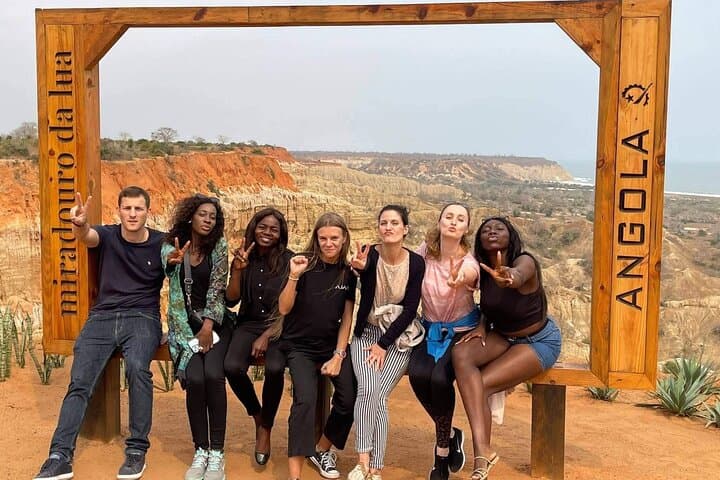
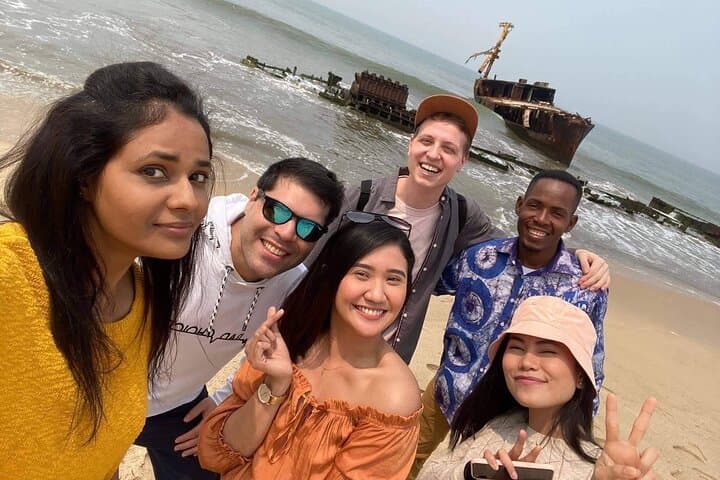
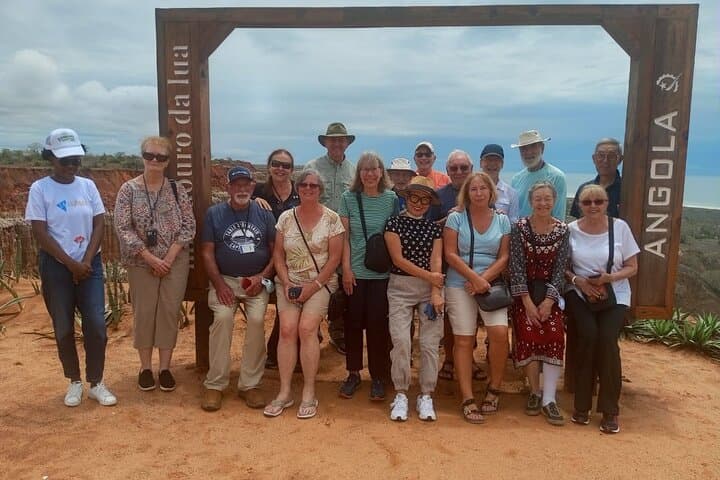
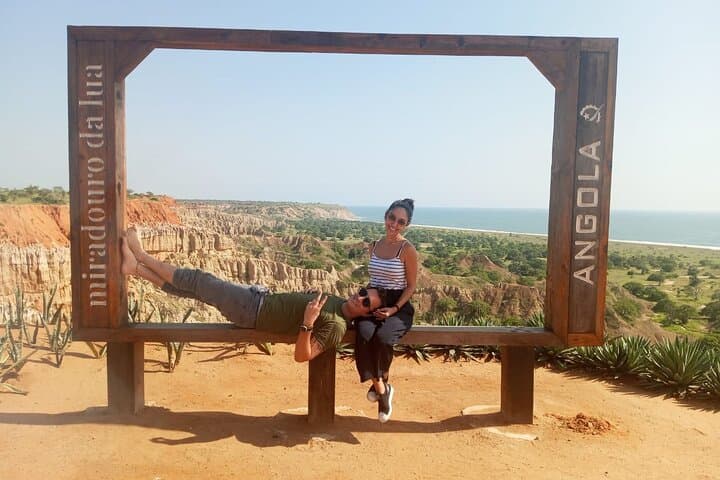
A salt-bright wind meets the city as the day opens in Luanda — vans hum to life and the coastline slips into view. Travelers move from the dense urban rhythm to the wide, low beaches of Mussulo where white sand and shallow lagoons invite slow steps and salty breath. Later, a rugged cliffscape at Miradouro da Lua rises like a carved map, its gullies and honeycombed walls catching light and shadow.
Verified experiences and guided adventures in the surrounding area.
Operated by Luzaya · Luanda, Luanda Province
A salt-bright wind meets the city as the day opens in Luanda — vans hum to life and the coastline slips into view. Travelers move from the dense urban rhythm to the wide, low beaches of Mussulo where white sand and shallow lagoons invite slow steps and salty breath. Later, a rugged cliffscape at Miradouro da Lua rises like a carved map, its gullies and honeycombed walls catching light and shadow.
Luanda’s shoreline has been shaped by Atlantic tides, Portuguese colonial architecture and decades of Angolan history. Fortified walls of the Fortaleza recall coastal defense and early colonial trade; the ironwork of an Eiffel-designed pavilion marks 19th-century global connections. Baobabs stand at key sites — cultural landmarks known locally as imbondeiro, often gathered near sacred or communal spaces like the Golf Course where people still meet for prayer.
Geology here is immediate: wind and rain have etched clay and sandstone into the lunar cliffs at Miradouro da Lua. Mussulo’s peninsula is a sedimentary seam, where currents deposit the sand that makes calm, sheltered channels ideal for a short boat cruise.
Practical details: expect a full 9–10 hour day with air-conditioned transport, a boat leg to Mussulo, short walks at viewpoints and a museum stop at the Fortaleza. Bring sun protection, a light windlayer for sea breezes, comfortable shoes for uneven terrain and a camera with extra battery. Hydrate between stops; bottled water is typically provided. Timing your visit for morning light at Miradouro da Lua or late afternoon for softer glow at Mussulo will improve photos and comfort. The tour is suitable for most fitness levels but involves some standing and short climbs.
The tour runs about 9–10 hours, typically a full day with multiple stops in Luanda and a boat trip to Mussulo.
Boat crossings are in sheltered channels but can be choppy at times; bring motion-sickness medication if you are sensitive.
Lunch, snacks and bottled water are included according to the itinerary, but bring small change for extra purchases.
Yes — the tour is rated easy and suitable for a wide range of ages, though there are short walks and uneven surfaces at viewpoints.
Luzaya operates guided outdoor trips and adventures with an emphasis on safety, stewardship, and memorable experiences.
A salt-bright wind meets the city as the day opens in Luanda — vans hum to life and the coastline slips into view. Travelers move from the dense urban rhythm to the wide, low beaches of Mussulo where white sand and shallow lagoons invite slow steps and salty breath. Later, a rugged cliffscape at Miradouro da Lua rises like a carved map, its gullies and honeycombed walls catching light and shadow.
A salt-bright wind meets the city as the day opens in Luanda — vans hum to life and the coastline slips into view. Travelers move from the dense urban rhythm to the wide, low beaches of Mussulo where white sand and shallow lagoons invite slow steps and salty breath. Later, a rugged cliffscape at Miradouro da Lua rises like a carved map, its gullies and honeycombed walls catching light and shadow.
Luanda’s shoreline has been shaped by Atlantic tides, Portuguese colonial architecture and decades of Angolan history. Fortified walls of the Fortaleza recall coastal defense and early colonial trade; the ironwork of an Eiffel-designed pavilion marks 19th-century global connections. Baobabs stand at key sites — cultural landmarks known locally as imbondeiro, often gathered near sacred or communal spaces like the Golf Course where people still meet for prayer.
Geology here is immediate: wind and rain have etched clay and sandstone into the lunar cliffs at Miradouro da Lua. Mussulo’s peninsula is a sedimentary seam, where currents deposit the sand that makes calm, sheltered channels ideal for a short boat cruise.
Practical details: expect a full 9–10 hour day with air-conditioned transport, a boat leg to Mussulo, short walks at viewpoints and a museum stop at the Fortaleza. Bring sun protection, a light windlayer for sea breezes, comfortable shoes for uneven terrain and a camera with extra battery. Hydrate between stops; bottled water is typically provided. Timing your visit for morning light at Miradouro da Lua or late afternoon for softer glow at Mussulo will improve photos and comfort. The tour is suitable for most fitness levels but involves some standing and short climbs.