THE ADVENTURE COLLECTIVE® · Independent discovery and booking for outdoor travel

Drive the Western Ghats from Pune for a compact day of viewpoints, waterfalls, and local culture. This guided, private full-day tour links Shree Narayani Dham, Bhushi Dam, Tiger's Point and Lion's Point with market stops for chikki.
Drive the Western Ghats from Pune for a compact day of viewpoints, waterfalls, and local culture. This guided, private full-day tour links Shree Narayani Dham, Bhushi Dam, Tiger's Point and Lion's Point with market stops for chikki.
The road climbs out of Pune and the city noise thins; mist fingers the ghats and the Western Ghats begin to open like a series of folded maps. By midmorning the car pulls up at Shree Narayani Dham, its white marble façade sharp against green lawns — a quiet, modern shrine that grounds the tour in local faith and community practice.
Verified experiences and guided adventures in the surrounding area.
Operated by TripBea · Lonavala, Maharashtra
The road climbs out of Pune and the city noise thins; mist fingers the ghats and the Western Ghats begin to open like a series of folded maps. By midmorning the car pulls up at Shree Narayani Dham, its white marble façade sharp against green lawns — a quiet, modern shrine that grounds the tour in local faith and community practice.
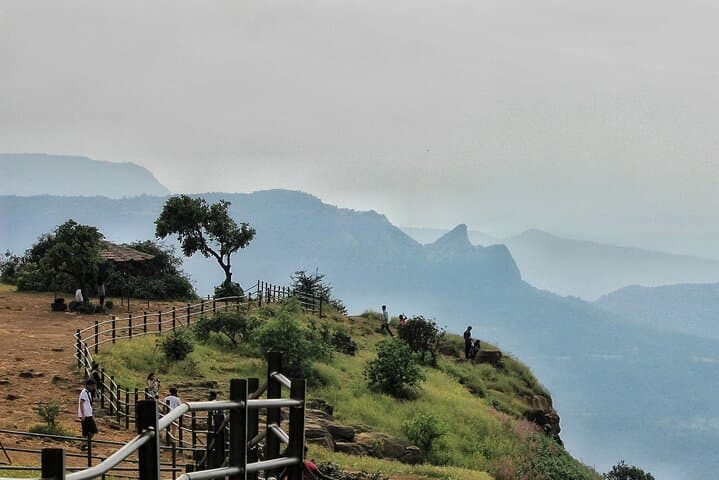
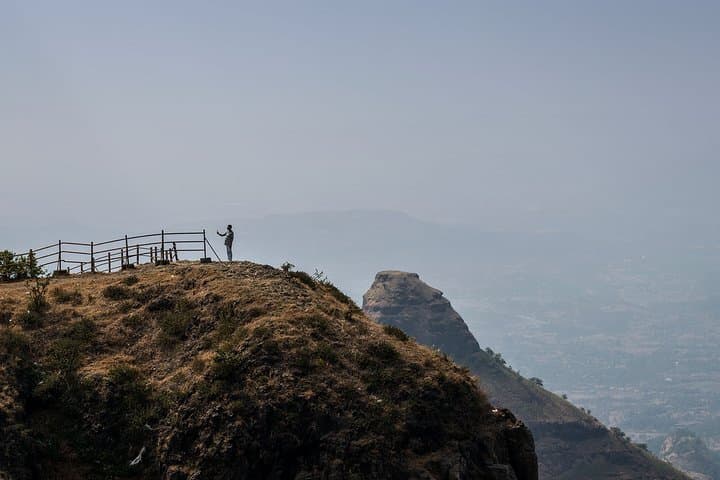
Lonavala’s landscape is young volcanic rock carved by seasonal streams. Bhushi Dam, built in the late 1860s, channels monsoon flows across stepped stone, turning sheets of water into a restless, playful force. Higher on the ridge, Tiger’s Point and Lion’s Point throw the valley outward: cliffs, small lakes, and forested slopes that were part of trade and military routes during the Maratha period.
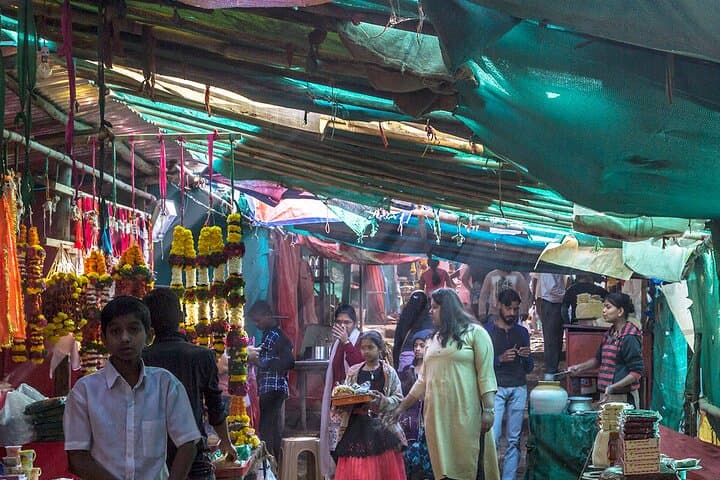
Culturally, Lonavala balances pilgrimage, hill-station history, and a confectionary economy — shops sell chikki and fudge that trace simple recipes and local sugarcane traditions. Visitors will see influences from colonial-era hill development, nearby Buddhist rock-cut sites, and modern temple construction.
Practical guidance: the full-day itinerary covers several short stops and walking viewpoints over roughly eight hours. Expect short walks on uneven rock and steps; the tour is suitable for most fitness levels but brings non-slip footwear. Weather dictates the mood: clear mornings reward sunrise views from Tiger’s Point, while monsoon afternoons swell Bhushi Dam into a spectacle.
Plan for hydration, a light rain layer in the wet season, and small cash purchases at market stalls. The route is vehicle-based with guided stops, making it a hands-on introduction to Lonavala’s natural drama and local life.
easy.
8 hours.
Light physical activity—short walks and steps; suitable for most ages with basic mobility.
The tour typically picks up from Pune (or a specified city address) in an air-conditioned vehicle and returns guests to the agreed drop-off point at the end of the day.
Yes; the tour involves short walks and viewpoints accessible by vehicle with some steps—notify the operator of mobility issues to adjust pacing.
The itinerary notes admissions for specific sites like Bhushi Dam and Shree Narayani Dham; confirm with the operator whether small local fees are covered.
Guides commonly speak English and Hindi; many drivers and guides also speak Marathi—confirm language needs when booking.
Lonavala grew in prominence during the colonial era as a hill station and sits near ancient Buddhist rock-cut sites; Bhushi Dam dates to the 1860s and shaped local monsoon leisure.
Monsoon crowds concentrate at the dam and viewpoints—carry out trash, avoid climbing wet rocks, and follow local signage to reduce erosion and disturbance.
TripBea operates guided outdoor trips and adventures with an emphasis on safety, stewardship, and memorable experiences.
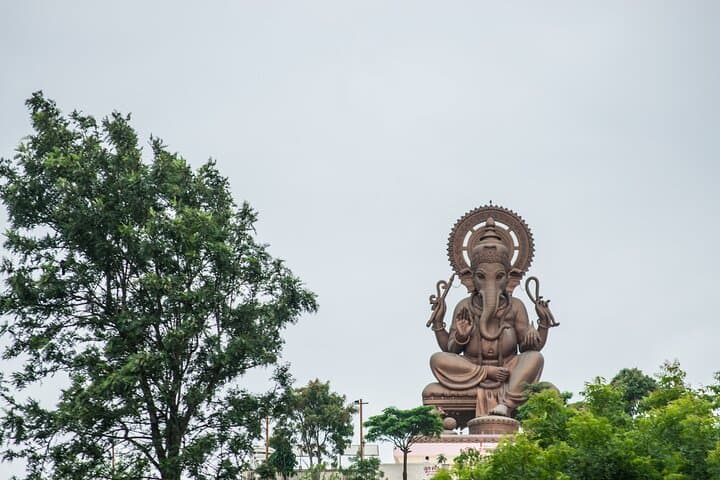
The road climbs out of Pune and the city noise thins; mist fingers the ghats and the Western Ghats begin to open like a series of folded maps. By midmorning the car pulls up at Shree Narayani Dham, its white marble façade sharp against green lawns — a quiet, modern shrine that grounds the tour in local faith and community practice.
The road climbs out of Pune and the city noise thins; mist fingers the ghats and the Western Ghats begin to open like a series of folded maps. By midmorning the car pulls up at Shree Narayani Dham, its white marble façade sharp against green lawns — a quiet, modern shrine that grounds the tour in local faith and community practice.
Lonavala’s landscape is young volcanic rock carved by seasonal streams. Bhushi Dam, built in the late 1860s, channels monsoon flows across stepped stone, turning sheets of water into a restless, playful force. Higher on the ridge, Tiger’s Point and Lion’s Point throw the valley outward: cliffs, small lakes, and forested slopes that were part of trade and military routes during the Maratha period.
Culturally, Lonavala balances pilgrimage, hill-station history, and a confectionary economy — shops sell chikki and fudge that trace simple recipes and local sugarcane traditions. Visitors will see influences from colonial-era hill development, nearby Buddhist rock-cut sites, and modern temple construction.
Practical guidance: the full-day itinerary covers several short stops and walking viewpoints over roughly eight hours. Expect short walks on uneven rock and steps; the tour is suitable for most fitness levels but brings non-slip footwear. Weather dictates the mood: clear mornings reward sunrise views from Tiger’s Point, while monsoon afternoons swell Bhushi Dam into a spectacle.
Plan for hydration, a light rain layer in the wet season, and small cash purchases at market stalls. The route is vehicle-based with guided stops, making it a hands-on introduction to Lonavala’s natural drama and local life.