THE ADVENTURE COLLECTIVE® · Independent discovery and booking for outdoor travel

A single day that stitches coastal wetlands, a pre‑Inca oracle, bohemian Barranco and a spectacular fountain show into one practical, story-rich tour of Lima. Expect mixed terrain, cultural depth, and a late-night visual payoff at the Magic Water Circuit.
A single day that stitches coastal wetlands, a pre‑Inca oracle, bohemian Barranco and a spectacular fountain show into one practical, story-rich tour of Lima. Expect mixed terrain, cultural depth, and a late-night visual payoff at the Magic Water Circuit.
You step out of a Miraflores hotel into a city that moves with the ocean. The first hour is coastal—Pantanos de Villa’s reed beds lean into the Pacific wind, the tide pushing low-slung birds toward the mudflats as your guide points out species through a scope. By midmorning the bus climbs the coastal plain and drops you at Pachacamac, where adobe platforms and stairways rise like weathered memory above the shore, and the ocean in the distance keeps its own quiet watch.
Verified experiences and guided adventures in the surrounding area.
Operated by Lima Mentor · Lima, Lima
You step out of a Miraflores hotel into a city that moves with the ocean. The first hour is coastal—Pantanos de Villa’s reed beds lean into the Pacific wind, the tide pushing low-slung birds toward the mudflats as your guide points out species through a scope. By midmorning the bus climbs the coastal plain and drops you at Pachacamac, where adobe platforms and stairways rise like weathered memory above the shore, and the ocean in the distance keeps its own quiet watch.
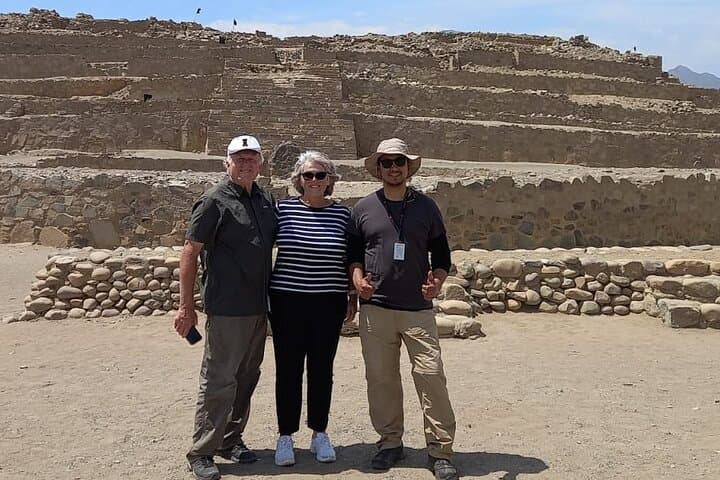
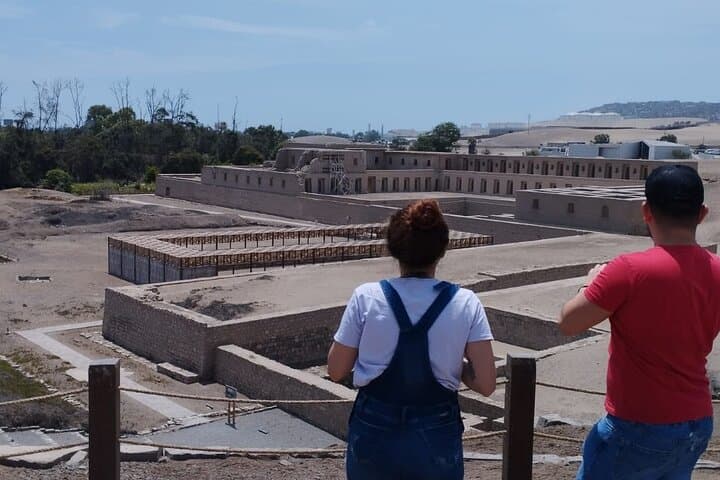
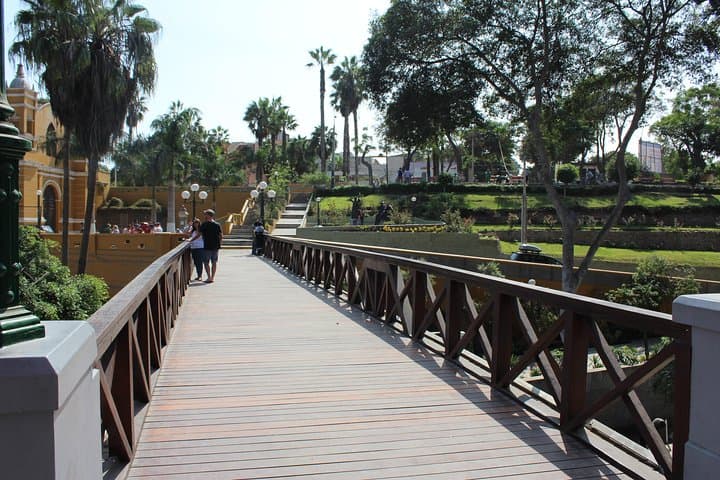
Pachacamac is older than the Spanish streets you’ll see later: a pre-Inca oracle that islanded a long list of cultures who came to consult its shrines. Archaeology here is tactile—sun-baked bricks, ceremonial ramps and the Inca’s later stone interventions that threaded the site into an imperial corridor. The tour moves from high ground to a different pulse in Barranco, Lima’s bohemian district. Narrow streets slope toward the sea; murals and small galleries elbow for attention; the Puente de los Suspiros offers a swift photo stop and a slice of local life.
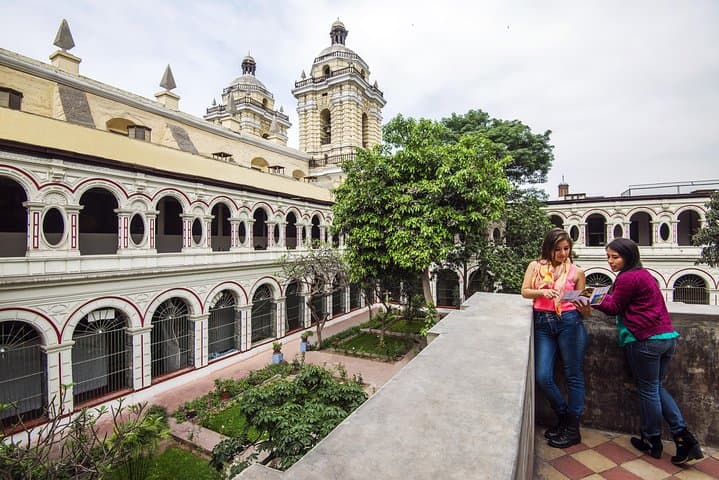
Historic downtown pulls the day inland. Colonial architecture composes itself into plazas, the Government Palace’s changing light drawing your eye to carved balconies and baroque façades. The Convent of San Francisco opens a darker corridor below: its library and catacombs are reminders of Lima’s layered past, where religion, colonial governance and urban growth intersect.
The finale is the Magic Water Circuit—an engineered river of light and motion where fountains vault in timed arcs and the crowd edges forward like clockwork. Water and music vie for attention; at night the biggest fountain throws a plume that dares the sky and the nearby hotel lights respond with polite applause.
Practical thread: this is a long day—about nine hours on a mix of paved streets and uneven archaeological terraces. Bring footwear suited to cobbles and dirt, and a daypack for water, sunscreen and a compact rain layer. The itinerary balances walking with transport; phones and cameras will be busy, so keep a portable charger handy. Expect a two-course lunch in Barranco and a guide who weaves natural history, urban development and local stories into the route.
If you want to tilt the visit toward birds, ask to extend the Pantanos de Villa stop; photo enthusiasts should aim for Barranco in the late afternoon and the Magic Water show after dusk. The city is accessible but busy—moving between human history and coastal ecology in a single day is part of Lima’s particular charm and practical challenge.
moderate.
9 hours.
Moderate fitness—able to stand and walk several 1–2 hour blocks with short climbs at Pachacamac
The itinerary is approximately 9 hours (540 minutes) including transport, guided visits, and lunch.
Yes, admissions for Pachacamac and the Magic Water Circuit are included in the tour price.
The tour offers pickup from most hotels in Miraflores and San Isidro; other locations can be arranged for an extra charge or meet at the Hilton Lima Hotel on Av. La Paz.
The tour notes wheelchair accessibility for portions of the route, but Pachacamac’s terraces and some historic areas have uneven surfaces—contact the operator to discuss specific needs.
A two-course lunch in Barranco is included; inform the operator of dietary restrictions during booking so they can accommodate you.
Yes—Pantanos de Villa is a protected wetland where guides often point out shorebirds and coastal species; bring binoculars for the best view.
Pachacamac was a major pre‑Inca and Inca pilgrimage site and oracle, later folded into Spanish colonial narratives when Lima became the Viceroyalty’s capital.
Pantanos de Villa is a protected coastal wetland under local conservation management; urban pressure makes visitor behavior—staying on paths and not feeding wildlife—important.
Lima Mentor operates guided outdoor trips and adventures with an emphasis on safety, stewardship, and memorable experiences.
You step out of a Miraflores hotel into a city that moves with the ocean. The first hour is coastal—Pantanos de Villa’s reed beds lean into the Pacific wind, the tide pushing low-slung birds toward the mudflats as your guide points out species through a scope. By midmorning the bus climbs the coastal plain and drops you at Pachacamac, where adobe platforms and stairways rise like weathered memory above the shore, and the ocean in the distance keeps its own quiet watch.
You step out of a Miraflores hotel into a city that moves with the ocean. The first hour is coastal—Pantanos de Villa’s reed beds lean into the Pacific wind, the tide pushing low-slung birds toward the mudflats as your guide points out species through a scope. By midmorning the bus climbs the coastal plain and drops you at Pachacamac, where adobe platforms and stairways rise like weathered memory above the shore, and the ocean in the distance keeps its own quiet watch.
Pachacamac is older than the Spanish streets you’ll see later: a pre-Inca oracle that islanded a long list of cultures who came to consult its shrines. Archaeology here is tactile—sun-baked bricks, ceremonial ramps and the Inca’s later stone interventions that threaded the site into an imperial corridor. The tour moves from high ground to a different pulse in Barranco, Lima’s bohemian district. Narrow streets slope toward the sea; murals and small galleries elbow for attention; the Puente de los Suspiros offers a swift photo stop and a slice of local life.
Historic downtown pulls the day inland. Colonial architecture composes itself into plazas, the Government Palace’s changing light drawing your eye to carved balconies and baroque façades. The Convent of San Francisco opens a darker corridor below: its library and catacombs are reminders of Lima’s layered past, where religion, colonial governance and urban growth intersect.
The finale is the Magic Water Circuit—an engineered river of light and motion where fountains vault in timed arcs and the crowd edges forward like clockwork. Water and music vie for attention; at night the biggest fountain throws a plume that dares the sky and the nearby hotel lights respond with polite applause.
Practical thread: this is a long day—about nine hours on a mix of paved streets and uneven archaeological terraces. Bring footwear suited to cobbles and dirt, and a daypack for water, sunscreen and a compact rain layer. The itinerary balances walking with transport; phones and cameras will be busy, so keep a portable charger handy. Expect a two-course lunch in Barranco and a guide who weaves natural history, urban development and local stories into the route.
If you want to tilt the visit toward birds, ask to extend the Pantanos de Villa stop; photo enthusiasts should aim for Barranco in the late afternoon and the Magic Water show after dusk. The city is accessible but busy—moving between human history and coastal ecology in a single day is part of Lima’s particular charm and practical challenge.