THE ADVENTURE COLLECTIVE® · Independent discovery and booking for outdoor travel

Explore Pachacamac’s ancient temples then walk Lima’s colonial heart on a single full-day itinerary. This small-group tour pairs desert archaeology with UNESCO-listed plazas and cloisters for a compact cultural immersion.
Explore Pachacamac’s ancient temples then walk Lima’s colonial heart on a single full-day itinerary. This small-group tour pairs desert archaeology with UNESCO-listed plazas and cloisters for a compact cultural immersion.
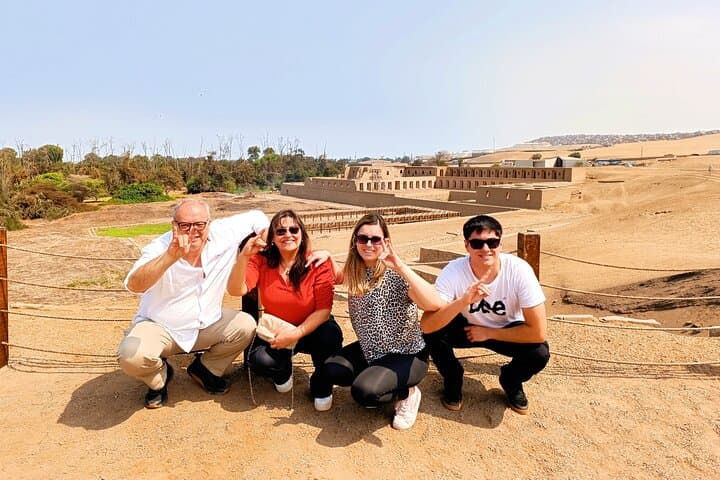
You step out of an air-conditioned van into the dry coastal breeze that pushes inland from the Pacific, and the first view is not the modern city skyline but a long swath of adobe platforms and ramps—Pachacamac’s earthen monuments rising from desert scrub.
Verified experiences and guided adventures in the surrounding area.
Operated by APULLAY TOURS · Lima, Lima
You step out of an air-conditioned van into the dry coastal breeze that pushes inland from the Pacific, and the first view is not the modern city skyline but a long swath of adobe platforms and ramps—Pachacamac’s earthen monuments rising from desert scrub.
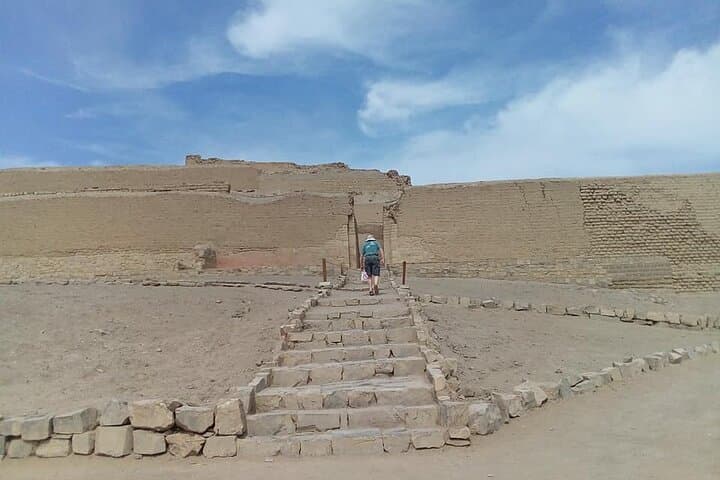
The morning unfolds amid sun-baked plazas and painted temple walls where pre-Inca cultures (Lima, Wari, Ychsma) layered rituals over centuries before the Incas added the Qhapaq Ñan radial roads. Guides point out the Acllawasi, ceremonial ramps and burial sectors while the site museum collects ceramics and textiles that sharpen the story of trade, pilgrimage and political power along Peru’s central coast.
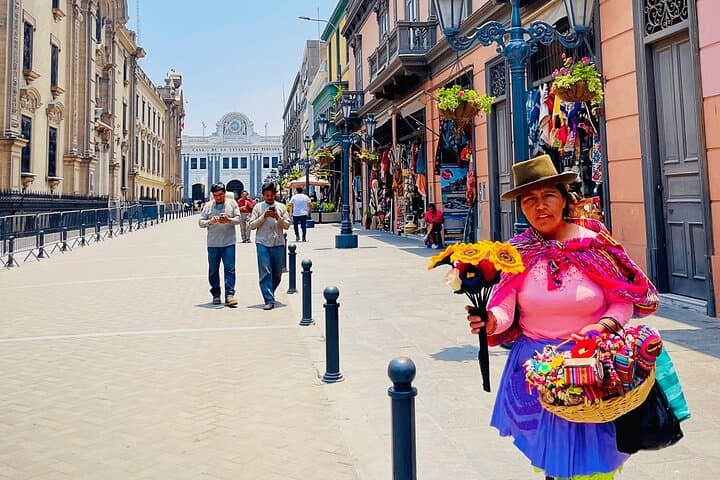
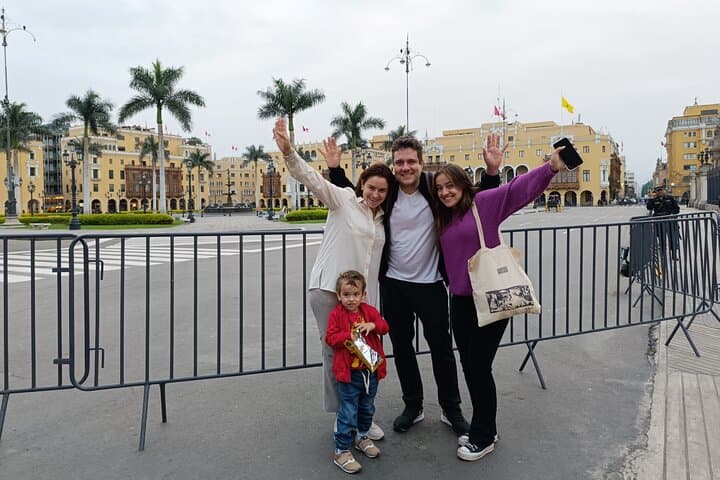
By afternoon the tour moves to Lima’s Historic Center, a UNESCO district where colonial stone facades, Baroque churches and shadowed cloisters show Spain’s imprint on urban life. Stops at San Martín Square, the Cathedral exterior and the Catacombs reveal how religion, governance and culture folded into plazas and promenades.
Practical details thread through the narrative: expect roughly 45 minutes each way between Lima’s tourist districts and Pachacamac, periods of walking on uneven compacted earth, and a mix of outdoor and indoor visits in a small group (max 12). Bring layered sun protection, comfortable walking shoes, water and a camera with extra battery—Pachacamac’s light is harsh and the Historic Center’s alleys are narrow. The day balances archaeology and urban history, offering an accessible full-day orientation to Lima’s past and the coastal cultures that shaped it.
easy.
10–11 hours.
Suitable for most fitness levels; requires moderate amounts of walking and some stair climbing.
Yes—pickup and drop-off from accommodations in San Isidro, Miraflores or Barranco are included in the tour.
Yes; the admission ticket to the Pachacamac site and the on-site museum are included in the tour price.
No; the city portion is mainly short walks between plazas and viewpoints, but expect some stairs at churches and catacombs.
Infants and small children can be part of the tour; strollers are possible but some uneven surfaces may require carrying or folding them.
Pachacamac was a major pilgrimage center on the central coast long before Inca control; colonial Lima then concentrated Spanish administrative and religious power around the Plaza de Armas.
Pachacamac faces erosion and visitor wear; stick to paths and follow guide instructions to protect fragile adobe surfaces. In Lima, support local conservation by avoiding single-use plastics and using water refills where available.
APULLAY TOURS operates guided outdoor trips and adventures with an emphasis on safety, stewardship, and memorable experiences.
You step out of an air-conditioned van into the dry coastal breeze that pushes inland from the Pacific, and the first view is not the modern city skyline but a long swath of adobe platforms and ramps—Pachacamac’s earthen monuments rising from desert scrub.
You step out of an air-conditioned van into the dry coastal breeze that pushes inland from the Pacific, and the first view is not the modern city skyline but a long swath of adobe platforms and ramps—Pachacamac’s earthen monuments rising from desert scrub.
The morning unfolds amid sun-baked plazas and painted temple walls where pre-Inca cultures (Lima, Wari, Ychsma) layered rituals over centuries before the Incas added the Qhapaq Ñan radial roads. Guides point out the Acllawasi, ceremonial ramps and burial sectors while the site museum collects ceramics and textiles that sharpen the story of trade, pilgrimage and political power along Peru’s central coast.
By afternoon the tour moves to Lima’s Historic Center, a UNESCO district where colonial stone facades, Baroque churches and shadowed cloisters show Spain’s imprint on urban life. Stops at San Martín Square, the Cathedral exterior and the Catacombs reveal how religion, governance and culture folded into plazas and promenades.
Practical details thread through the narrative: expect roughly 45 minutes each way between Lima’s tourist districts and Pachacamac, periods of walking on uneven compacted earth, and a mix of outdoor and indoor visits in a small group (max 12). Bring layered sun protection, comfortable walking shoes, water and a camera with extra battery—Pachacamac’s light is harsh and the Historic Center’s alleys are narrow. The day balances archaeology and urban history, offering an accessible full-day orientation to Lima’s past and the coastal cultures that shaped it.