THE ADVENTURE COLLECTIVE® · Independent discovery and booking for outdoor travel

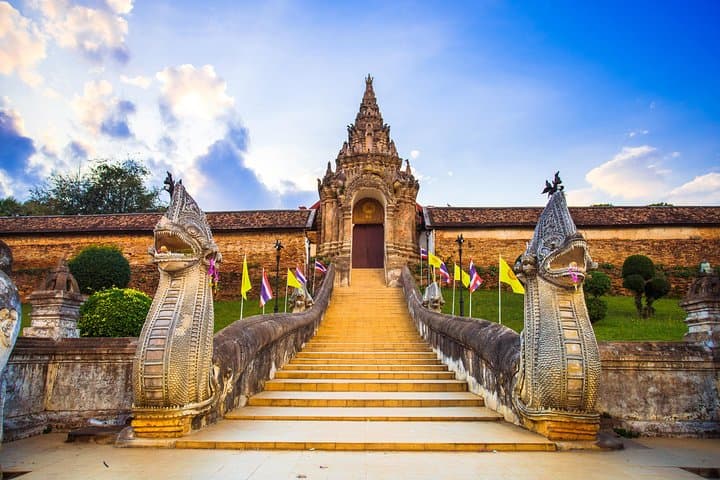
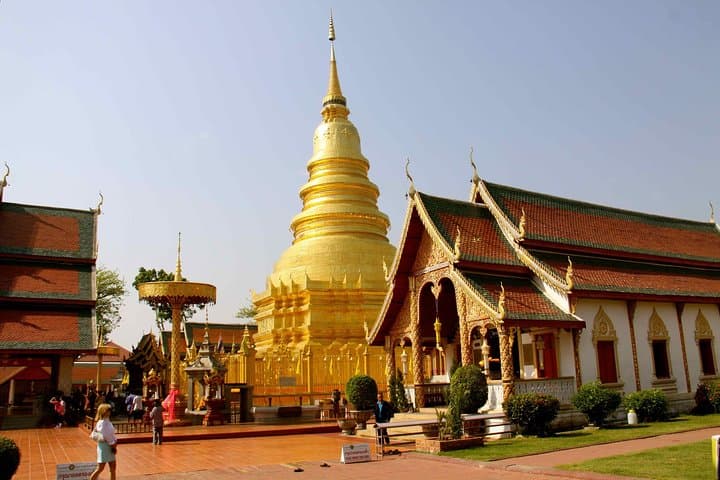
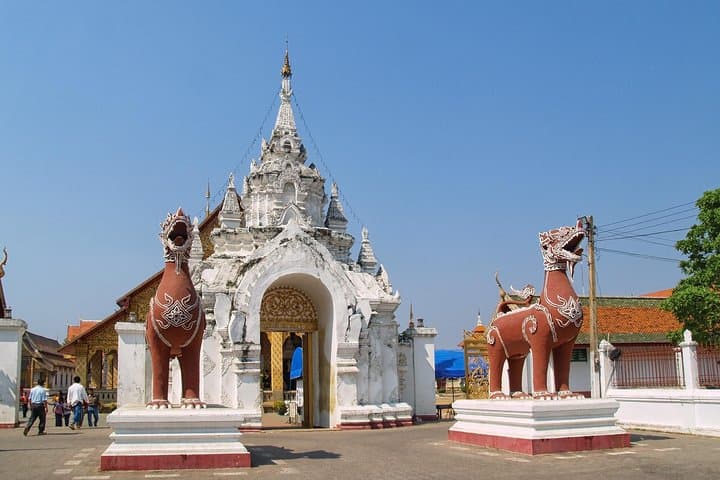
A single-day trip from Chiang Mai that visits Lamphun’s ancient walls and the golden chedi of Wat Phra That Hariphunchai, plus the preserved Lanna architecture of Wat Phra That Lampang Luang. Practical for first-time visitors wanting cultural depth without long travel.
A single-day trip from Chiang Mai that visits Lamphun’s ancient walls and the golden chedi of Wat Phra That Hariphunchai, plus the preserved Lanna architecture of Wat Phra That Lampang Luang. Practical for first-time visitors wanting cultural depth without long travel.
You step out of an air-conditioned van and into a town whose stones remember kings. The morning light picks out the gold of a 51‑meter chedi as monks move through the compound with quiet purpose; the moat’s slow water nudges the old city walls like a watchful neighbor. This is Lamphun, once the heart of the 7th‑century Hariphunchai kingdom, where teak halls and lacquered gongs still set the tone.
Verified experiences and guided adventures in the surrounding area.
Operated by Sightseeingbangkok.com · Lamphun, Lamphun Province
You step out of an air-conditioned van and into a town whose stones remember kings. The morning light picks out the gold of a 51‑meter chedi as monks move through the compound with quiet purpose; the moat’s slow water nudges the old city walls like a watchful neighbor. This is Lamphun, once the heart of the 7th‑century Hariphunchai kingdom, where teak halls and lacquered gongs still set the tone.
The route traces a shallow arc through northern Thai history: fortified walls and moats that evolved through Lanna and Burmese periods, teak architecture that survived tropical decay, and temple compounds that house Pali scriptures and relics reputed to come from India. Geologically, the region sits on gently rolling alluvial plains fed by the Ping River; the low hills around Lampang Luang provide a change of elevation and a cooler breeze.
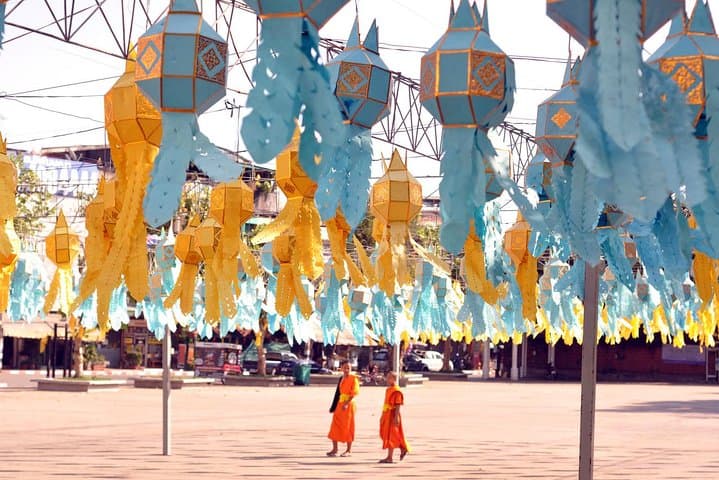
Culturally you’ll see living Buddhism—the daily rituals, the lacquered woodwork, and village markets selling sticky rice and grilled fish. Local guides usually explain temple etiquette and the stories behind each relic, making the past feel immediate.
Practical guidance: plan for a 6–7 hour outing with several short walks between sites and stair climbs inside temple complexes. Bring sun protection, modest clothing that covers shoulders and knees for temple entry, and cash for small donations and market snacks. Timing matters—mornings are cooler and less crowded; afternoons bring softer light for photos. If you want a quieter visit, ask to linger at the teak library or courtyard of Wat Phra That Hariphunchai—those moments give the clearest sense of Lamphun’s continuity.
easy.
6–7 hours.
Suitable for most fitness levels; requires short walks, stair climbs in temple compounds, and standing during guided talks.
Yes, roundtrip transfer from Chiang Mai hotels is included; pickup times are typically in the morning and arranged at booking.
Admission fees to listed temples and a local lunch are included in the tour price.
Yes—the itinerary is rated easy and suitable for most ages, though there are stairs and some walking between sites.
Modest clothing that covers shoulders and knees is required; avoid sleeveless tops and short shorts and bring a scarf if needed.
Lamphun was the capital of the Hariphunchai kingdom from the 7th century and became an important center of Lanna Buddhism; many temple structures date to the 9th–16th centuries with later restorations.
Respect temple rules, avoid feeding wildlife, and support local vendors; small donations and responsible photography help preserve these cultural sites.
Sightseeingbangkok.com operates guided outdoor trips and adventures with an emphasis on safety, stewardship, and memorable experiences.
You step out of an air-conditioned van and into a town whose stones remember kings. The morning light picks out the gold of a 51‑meter chedi as monks move through the compound with quiet purpose; the moat’s slow water nudges the old city walls like a watchful neighbor. This is Lamphun, once the heart of the 7th‑century Hariphunchai kingdom, where teak halls and lacquered gongs still set the tone.
You step out of an air-conditioned van and into a town whose stones remember kings. The morning light picks out the gold of a 51‑meter chedi as monks move through the compound with quiet purpose; the moat’s slow water nudges the old city walls like a watchful neighbor. This is Lamphun, once the heart of the 7th‑century Hariphunchai kingdom, where teak halls and lacquered gongs still set the tone.
The route traces a shallow arc through northern Thai history: fortified walls and moats that evolved through Lanna and Burmese periods, teak architecture that survived tropical decay, and temple compounds that house Pali scriptures and relics reputed to come from India. Geologically, the region sits on gently rolling alluvial plains fed by the Ping River; the low hills around Lampang Luang provide a change of elevation and a cooler breeze.
Culturally you’ll see living Buddhism—the daily rituals, the lacquered woodwork, and village markets selling sticky rice and grilled fish. Local guides usually explain temple etiquette and the stories behind each relic, making the past feel immediate.
Practical guidance: plan for a 6–7 hour outing with several short walks between sites and stair climbs inside temple complexes. Bring sun protection, modest clothing that covers shoulders and knees for temple entry, and cash for small donations and market snacks. Timing matters—mornings are cooler and less crowded; afternoons bring softer light for photos. If you want a quieter visit, ask to linger at the teak library or courtyard of Wat Phra That Hariphunchai—those moments give the clearest sense of Lamphun’s continuity.