THE ADVENTURE COLLECTIVE® · Independent discovery and booking for outdoor travel

Spend a full day exploring Lake Valencia near Puerto Maldonado: a 15 km freshwater ribbon framed by Lupuna and chestnut trees where fishing, birding and a lakeside lunch are the highlights. This practical guide outlines what to expect, how to prepare, and seasonal considerations for a smooth trip.
Spend a full day exploring Lake Valencia near Puerto Maldonado: a 15 km freshwater ribbon framed by Lupuna and chestnut trees where fishing, birding and a lakeside lunch are the highlights. This practical guide outlines what to expect, how to prepare, and seasonal considerations for a smooth trip.
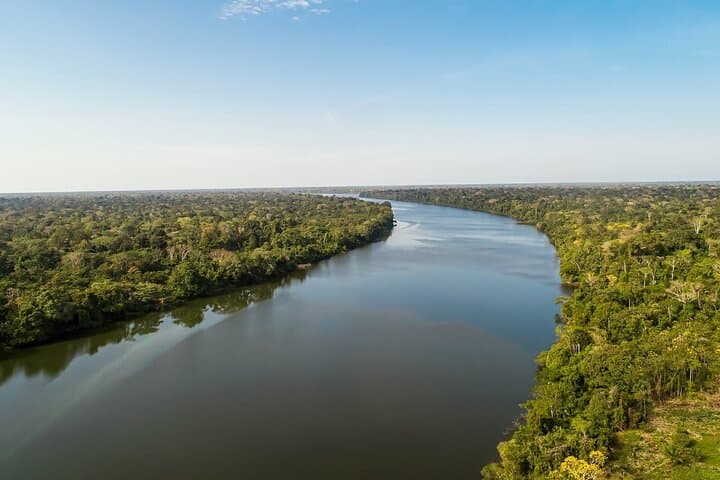
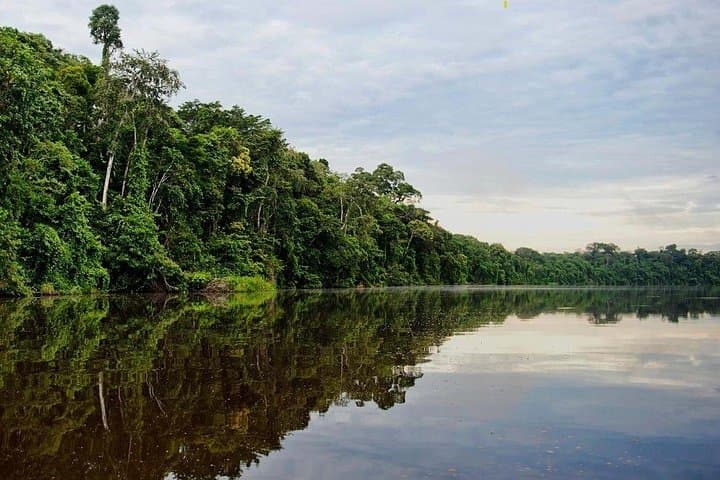
A low morning sun slices through roadside ceibo and chestnut trunks as the van hums along the Interoceanic Highway toward Lake Valencia. The road opens to a wide sweep of water—15 km of quiet surface edged by Lupuna and pumaquiro—where birds wheel and the rainforest leans close enough to hear.
Verified experiences and guided adventures in the surrounding area.
Operated by Monte Amazonico Lodge · Puerto Maldonado, Madre de Dios
A low morning sun slices through roadside ceibo and chestnut trunks as the van hums along the Interoceanic Highway toward Lake Valencia. The road opens to a wide sweep of water—15 km of quiet surface edged by Lupuna and pumaquiro—where birds wheel and the rainforest leans close enough to hear.
Lake Valencia sits within the Tambopata basin of Madre de Dios, a region shaped by fluvial deposits and seasonally shifting channels that feed its extensive wetlands. Locals once harvested timber and Brazil nuts from these shorelines; today the lake supports small-scale fishing and birding, with sea eagles, herons and rouge macaw flocks regular in the morning light.
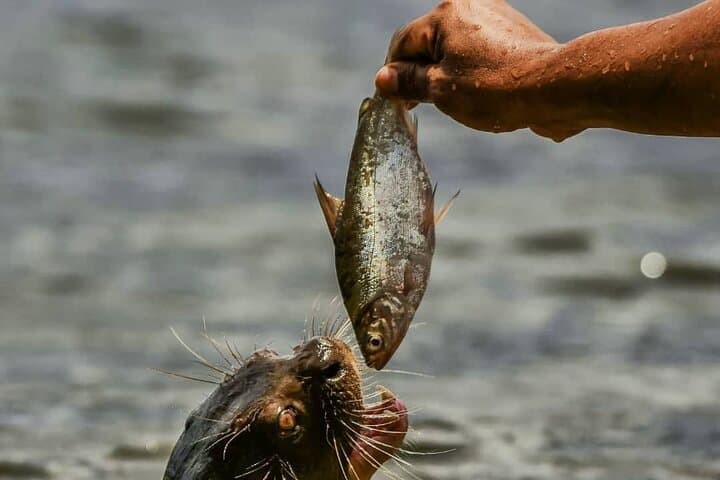
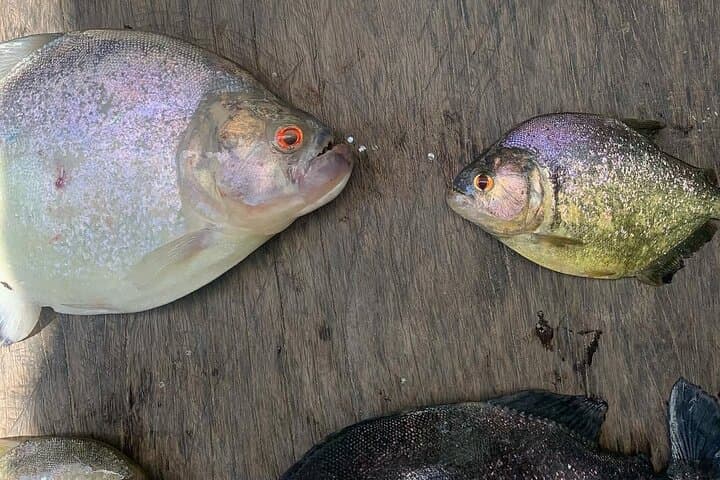
The experience is straightforward: a 1.5-hour transfer from Puerto Maldonado, a short shoreline walk in cayac forest, guided fishing on the lake, and a lakeside lunch — often featuring the day’s catch. Geologically the lake is shallow and nutrient-rich, attracting both fish and the birds that feed on them. Culturally, visits touch community foodways and forest-use traditions; guides commonly explain how chestnut and lupuna trees factor into local livelihoods.
Practical guidance: arrive with insect repellent and layered, quick-dry clothing; bring a camera and cash for incidental purchases. Swimming is possible in calm weather but assess currents and water conditions with your guide. Expect easy terrain with boat transfers; the outing is suitable for most fitness levels but includes periods of standing and walking on uneven ground. Timing in the dry season means clearer skies and easier access; the wet season brings dramatic rains, higher water and more mosquitoes. Respect wildlife distances, pack out trash, and follow your guide’s instructions to leave this edge of Tambopata as you found it.
easy.
7 hours.
Light activity; suitable for most people who can handle a couple of short walks and a few hours standing during fishing and boat transfers.
Guides typically provide basic rods and bait as part of the tour; verify in advance if you prefer a specific setup.
Yes, swimming is often allowed in calm conditions, but always check with your guide for current safety and water quality before entering.
The drive is about 1.5 hours each way along the Interoceanic Highway and secondary roads, so plan for roughly 3 hours of round-trip transport.
Lunch is included and commonly features the fish you helped catch, plus local sides—inform the operator of dietary restrictions when booking.
Lake Valencia lies within tambopata’s broader riverine systems; the area’s economy historically combined Brazil nut harvesting and small-scale timber use, with roads spurring access in the 20th century.
This part of Madre de Dios faces pressure from road-driven deforestation and extractive activities; stick to marked access routes, avoid single-use plastics, and support operators who follow low-impact practices.
Monte Amazonico Lodge operates guided outdoor trips and adventures with an emphasis on safety, stewardship, and memorable experiences.
A low morning sun slices through roadside ceibo and chestnut trunks as the van hums along the Interoceanic Highway toward Lake Valencia. The road opens to a wide sweep of water—15 km of quiet surface edged by Lupuna and pumaquiro—where birds wheel and the rainforest leans close enough to hear.
A low morning sun slices through roadside ceibo and chestnut trunks as the van hums along the Interoceanic Highway toward Lake Valencia. The road opens to a wide sweep of water—15 km of quiet surface edged by Lupuna and pumaquiro—where birds wheel and the rainforest leans close enough to hear.
Lake Valencia sits within the Tambopata basin of Madre de Dios, a region shaped by fluvial deposits and seasonally shifting channels that feed its extensive wetlands. Locals once harvested timber and Brazil nuts from these shorelines; today the lake supports small-scale fishing and birding, with sea eagles, herons and rouge macaw flocks regular in the morning light.
The experience is straightforward: a 1.5-hour transfer from Puerto Maldonado, a short shoreline walk in cayac forest, guided fishing on the lake, and a lakeside lunch — often featuring the day’s catch. Geologically the lake is shallow and nutrient-rich, attracting both fish and the birds that feed on them. Culturally, visits touch community foodways and forest-use traditions; guides commonly explain how chestnut and lupuna trees factor into local livelihoods.
Practical guidance: arrive with insect repellent and layered, quick-dry clothing; bring a camera and cash for incidental purchases. Swimming is possible in calm weather but assess currents and water conditions with your guide. Expect easy terrain with boat transfers; the outing is suitable for most fitness levels but includes periods of standing and walking on uneven ground. Timing in the dry season means clearer skies and easier access; the wet season brings dramatic rains, higher water and more mosquitoes. Respect wildlife distances, pack out trash, and follow your guide’s instructions to leave this edge of Tambopata as you found it.