THE ADVENTURE COLLECTIVE® · Independent discovery and booking for outdoor travel

Cross one of the world’s highest lakes to visit reed-built Uros islands and the weaving community of Taquile. Expect early starts, steep island paths, bright sun and a full day of cultural encounters on Lake Titicaca.
Cross one of the world’s highest lakes to visit reed-built Uros islands and the weaving community of Taquile. Expect early starts, steep island paths, bright sun and a full day of cultural encounters on Lake Titicaca.
Dawn on Lake Titicaca is sharp and spare: a low sun strips the water to metal as a motorboat pushes off from Puno’s pier and the air pulls at your lungs with the thin, high altitude cold. Reeds cluster at the water’s edge like living rafts; beyond them the lake spreads wide, rimmed by the Andes.
Verified experiences and guided adventures in the surrounding area.
Operated by Giant Trip · Puno, Puno
Dawn on Lake Titicaca is sharp and spare: a low sun strips the water to metal as a motorboat pushes off from Puno’s pier and the air pulls at your lungs with the thin, high altitude cold. Reeds cluster at the water’s edge like living rafts; beyond them the lake spreads wide, rimmed by the Andes.
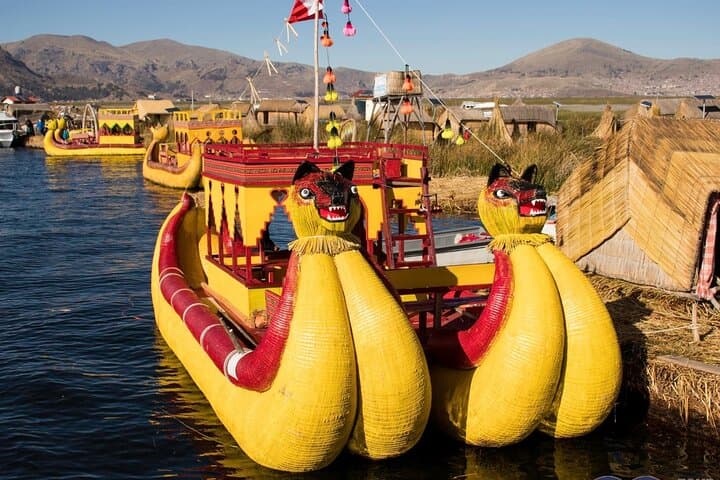
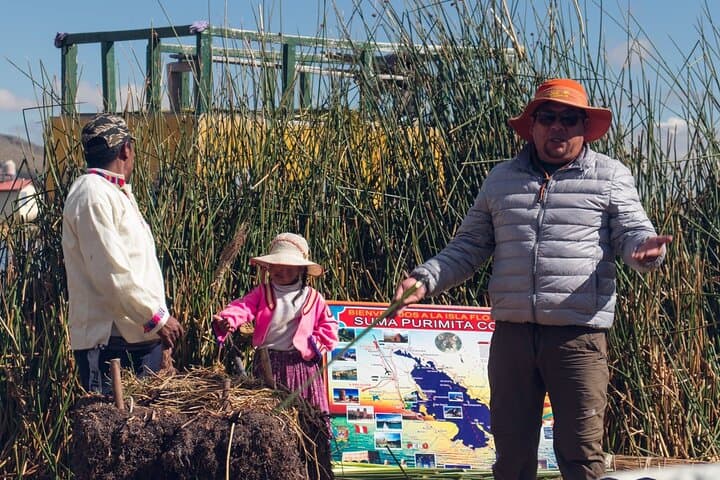
This full-day excursion sails across the highest navigable lake in the world (≈3,812 m / 12,507 ft). First stop: the Uros, man-made islands constructed from bundled totora reeds by the Aymara people centuries ago as defensive refuges. The islands float and require continual maintenance—an architecture of living plant material. Later the boat threads toward Taquile, a steeper, stonier isle where Quechua-speaking men preserve an unusual textile tradition: tightly woven belts and hats that signal social standing.
Geologically, Titicaca lives on the Altiplano, a bowl carved by tectonics and glaciation; culturally it is a borderland of Aymara and Quechua practices, music and ritual dances you’ll see performed on Taquile.
Practical notes: tours typically depart early (≈06:45–07:00), include a bilingual guide, lunch, and boat transfers; total outing is about nine hours. Expect flat, fragile reed surfaces on Uros and steep stone steps on Taquile—bring sun protection, layered clothing, cash (for crafts and optional reed-boat rides ~15 PEN), and allow time to acclimatize. Restroom facilities are basic; physical exertion is moderate but altitude adds strain. The trip is part cultural visit, part gentle hike, and wholly one of those rare places where the landscape and human ingenuity meet on the water.
moderate.
9 hours.
Suitable for most active travelers but expect walking on uneven stone steps and the effects of high altitude; light–moderate fitness recommended
Boat time varies with stops; expect roughly 30–60 minutes between Puno and the Uros area and about 60–90 minutes to Taquile depending on weather and route.
Yes—operators mark it as suitable for all fitness levels, but older travelers and young children should be cautious of altitude and uneven surfaces.
Lunch and island entrances (Uros and Taquile) are typically included; small extras like reed-boat rides and crafts are paid locally.
Facilities are basic on islands; Uros and Taquile involve stepping on and off boats and walking over uneven terrain, so accessibility is limited.
The Uros islands were created by pre-Incan Aymara groups as floating refuges; Taquile’s weaving rules date back generations and are recognized by UNESCO for cultural heritage.
The reed islands require constant upkeep and are sensitive to boat wakes and pollution—responsible tourism means minimizing litter, using local guides and avoiding trampling fragile reed margins.
Giant Trip operates guided outdoor trips and adventures with an emphasis on safety, stewardship, and memorable experiences.
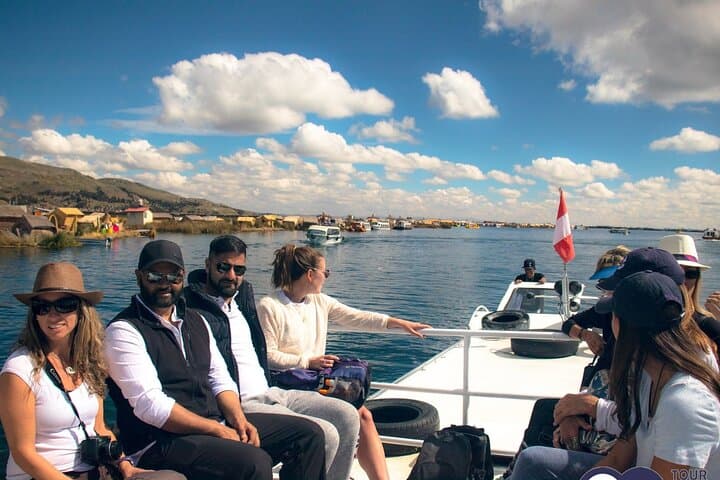
Dawn on Lake Titicaca is sharp and spare: a low sun strips the water to metal as a motorboat pushes off from Puno’s pier and the air pulls at your lungs with the thin, high altitude cold. Reeds cluster at the water’s edge like living rafts; beyond them the lake spreads wide, rimmed by the Andes.
Dawn on Lake Titicaca is sharp and spare: a low sun strips the water to metal as a motorboat pushes off from Puno’s pier and the air pulls at your lungs with the thin, high altitude cold. Reeds cluster at the water’s edge like living rafts; beyond them the lake spreads wide, rimmed by the Andes.
This full-day excursion sails across the highest navigable lake in the world (≈3,812 m / 12,507 ft). First stop: the Uros, man-made islands constructed from bundled totora reeds by the Aymara people centuries ago as defensive refuges. The islands float and require continual maintenance—an architecture of living plant material. Later the boat threads toward Taquile, a steeper, stonier isle where Quechua-speaking men preserve an unusual textile tradition: tightly woven belts and hats that signal social standing.
Geologically, Titicaca lives on the Altiplano, a bowl carved by tectonics and glaciation; culturally it is a borderland of Aymara and Quechua practices, music and ritual dances you’ll see performed on Taquile.
Practical notes: tours typically depart early (≈06:45–07:00), include a bilingual guide, lunch, and boat transfers; total outing is about nine hours. Expect flat, fragile reed surfaces on Uros and steep stone steps on Taquile—bring sun protection, layered clothing, cash (for crafts and optional reed-boat rides ~15 PEN), and allow time to acclimatize. Restroom facilities are basic; physical exertion is moderate but altitude adds strain. The trip is part cultural visit, part gentle hike, and wholly one of those rare places where the landscape and human ingenuity meet on the water.