THE ADVENTURE COLLECTIVE® · Independent discovery and booking for outdoor travel

Spend a full day from Puno exploring Lake Titicaca’s floating Uros islands and the textile-rich community of Taquile. Learn about pre-Inca reed engineering, Inca-era terraces, and the practicalities of a high-altitude boat day.
Spend a full day from Puno exploring Lake Titicaca’s floating Uros islands and the textile-rich community of Taquile. Learn about pre-Inca reed engineering, Inca-era terraces, and the practicalities of a high-altitude boat day.
The day begins at Puno's harbor, where cold, high-altitude air meets the blue expanse of Lake Titicaca and the motor thrums to life.
Verified experiences and guided adventures in the surrounding area.
Operated by Lake Titicaca Travel · Puno, Puno
The day begins at Puno's harbor, where cold, high-altitude air meets the blue expanse of Lake Titicaca and the motor thrums to life.
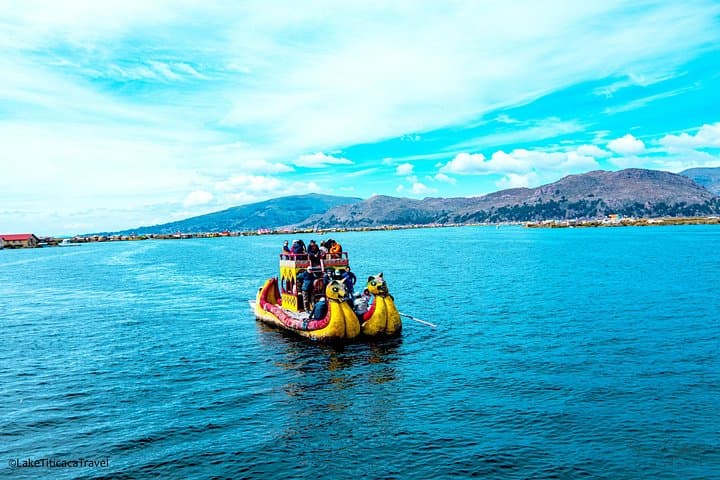
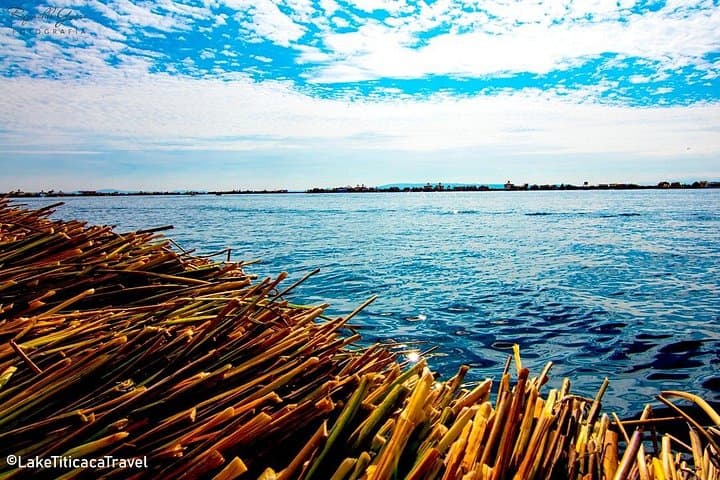
A speedboat cuts across water that seems to push back with a deliberate, slow current; reed-skin boats bob beside clustered floating islands made from bundled totora. On Uros, families tend their mats of reeds and explain how islands are rebuilt as layers rot — a living architecture that still floats and breathes.
The islands predate the Inca: Uros communities claim roots before the empire, while Taquile later became an Inca outpost famed for terraces and communal textile systems. Geology here is driven by the high Andean plateau — wind-polished shores, shallow bays and cold, clear water at roughly 3,800 m elevation that shapes local agriculture and fishing.
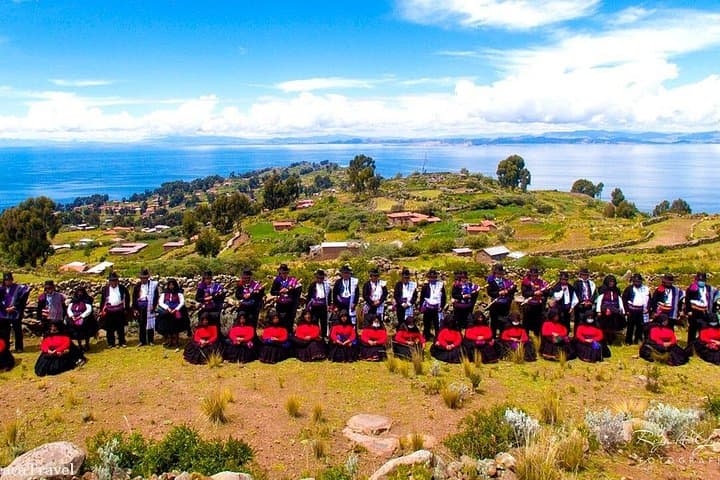
Taquile rises from the lake as a compact, stony ring of terraces where men and women continue time-honored weaving techniques recognized by UNESCO; textiles encode social roles and local memory. Birdlife and endemic fish are visible from the boat; early morning or late afternoon light is best for photos.
Practical guidance: the full-day schedule runs about 8–9 hours with boat transfers and short walks on uneven stone paths; expect limited facilities and a moderate amount of stair-like steps on Taquile. Bring layered clothing for intense sun and wind, cash for entry fees and handicrafts, sunscreen and water. Allow a day to acclimatize in Puno before boarding — altitude, wind and a long day on the water are the real challenges here.
easy.
8–9 hours.
Suitable for travelers in average fitness who can walk short distances on uneven stone and climb steps; allow extra time for altitude.
The tour lasts about 8–9 hours with boat transfers to Uros and Taquile, guided visits on each island, and a provided lunch; exact pickup times vary by operator.
Facilities are basic and limited—expect simple, sometimes shared toilets; use facilities before departure where available.
Yes—bring small-denomination soles for entrance fees, tips, snacks and local handicrafts as cards are typically not accepted.
Gentle for many travelers but not recommended for those with serious spinal or cardiovascular problems; the islands have uneven surfaces and steps that can be challenging.
Uros communities trace origins to pre-Inca times and survive by building and renewing totora reed islands; Taquile was incorporated into the Inca sphere and is renowned for its textile heritage recognized by UNESCO.
Tourism impacts reed harvesting and waste on fragile islands—follow local guidance, avoid single-use plastics and buy authentic crafts to support community economies.
Lake Titicaca Travel operates guided outdoor trips and adventures with an emphasis on safety, stewardship, and memorable experiences.
The day begins at Puno's harbor, where cold, high-altitude air meets the blue expanse of Lake Titicaca and the motor thrums to life.
The day begins at Puno's harbor, where cold, high-altitude air meets the blue expanse of Lake Titicaca and the motor thrums to life.
A speedboat cuts across water that seems to push back with a deliberate, slow current; reed-skin boats bob beside clustered floating islands made from bundled totora. On Uros, families tend their mats of reeds and explain how islands are rebuilt as layers rot — a living architecture that still floats and breathes.
The islands predate the Inca: Uros communities claim roots before the empire, while Taquile later became an Inca outpost famed for terraces and communal textile systems. Geology here is driven by the high Andean plateau — wind-polished shores, shallow bays and cold, clear water at roughly 3,800 m elevation that shapes local agriculture and fishing.
Taquile rises from the lake as a compact, stony ring of terraces where men and women continue time-honored weaving techniques recognized by UNESCO; textiles encode social roles and local memory. Birdlife and endemic fish are visible from the boat; early morning or late afternoon light is best for photos.
Practical guidance: the full-day schedule runs about 8–9 hours with boat transfers and short walks on uneven stone paths; expect limited facilities and a moderate amount of stair-like steps on Taquile. Bring layered clothing for intense sun and wind, cash for entry fees and handicrafts, sunscreen and water. Allow a day to acclimatize in Puno before boarding — altitude, wind and a long day on the water are the real challenges here.