THE ADVENTURE COLLECTIVE® · Independent discovery and booking for outdoor travel

Spend a full day inside Lake Manyara National Park, watching tree-climbing lions, flamingo-studded shores, and active hippo pools. This practical guide explains what to expect — terrain, timing, and the gear that will make your safari comfortable and productive.
Spend a full day inside Lake Manyara National Park, watching tree-climbing lions, flamingo-studded shores, and active hippo pools. This practical guide explains what to expect — terrain, timing, and the gear that will make your safari comfortable and productive.
A morning light spills across a shallow, alkaline mirror — pink knots of flamingos lift and edit the horizon, while the Rift Valley escarpment watches the flat plain like a slow-moving clock. On a full-day circuit of Lake Manyara National Park the landscape changes from dense groundwater forest to open acacia savanna and then to the stark cliff edge of the rift, each scene populated by a different cast: baboons in the treetops, elephants wading the shallows, and the odd pride of lions that have learned to clamber into branches.
Verified experiences and guided adventures in the surrounding area.
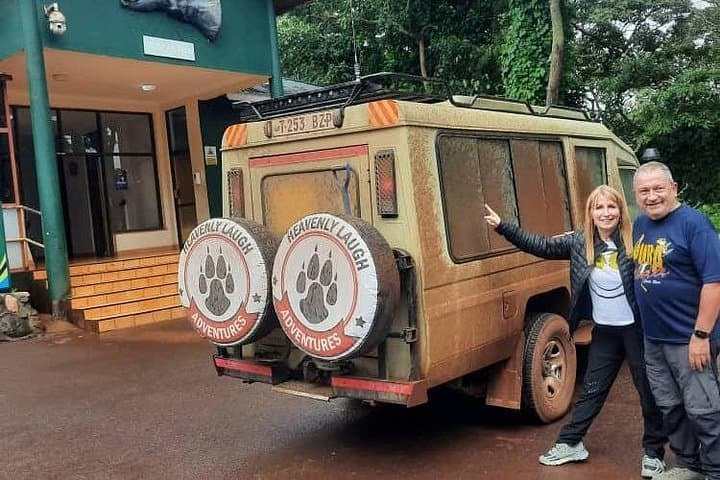
Operated by Heavenly Laugh Adventures · Mto wa Mbu, Manyara Region
A morning light spills across a shallow, alkaline mirror — pink knots of flamingos lift and edit the horizon, while the Rift Valley escarpment watches the flat plain like a slow-moving clock. On a full-day circuit of Lake Manyara National Park the landscape changes from dense groundwater forest to open acacia savanna and then to the stark cliff edge of the rift, each scene populated by a different cast: baboons in the treetops, elephants wading the shallows, and the odd pride of lions that have learned to clamber into branches.
Geology and history are plain here: the lake sits in the Rift Valley, a basin of volcanic soils and seasonal water levels that attract 400 bird species and sustain hippo pools and crocodile-laid banks. Local towns such as Mto wa Mbu grew as market stops between highland farmers and Maasai grazing lands; boat and village visits reveal simple, living connections to the park’s ecology.
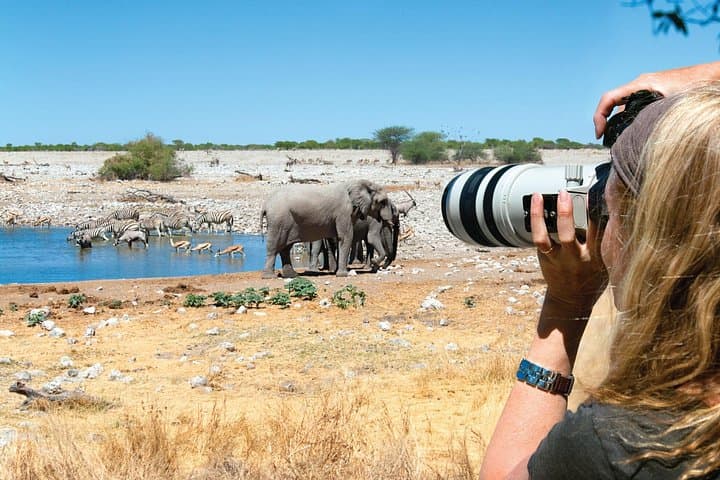
Practically, expect an 8–10 hour day with several game-drive windows and a picnic or lodge lunch included. Roads inside the park are mostly graded dirt; sit high in a 4x4 for the best view. Bring a wide-angle and a telephoto lens, binoculars, sunscreen, and layers for a breezy Rift escarpment. Guides read animal behavior and microhabitats — follow their pace and keep distance from wildlife. Morning and late afternoon drives concentrate sightings; mid-day can be quieter but is prime for birding and hippos. With basic planning — water, sun protection, and patience — Lake Manyara delivers varied wildlife in a compact, unforgettable day.
moderate.
8–10 hours.
Light activity level required; you’ll spend most time seated in vehicle with short walks possible at viewpoints.
The trip runs about 8–10 hours and typically includes park fees, a guide, lunch, and return transfers (confirm at booking).
No wildlife is guaranteed, but Lake Manyara’s lions are among the most frequently observed tree-climbing groups; sightings depend on season and animal movement.
Boat safaris are occasionally offered on the lake when water levels permit; availability depends on season and local operators.
Yes — game drives are vehicle-based and suitable for a wide range of ages and fitness levels, though long days may be tiring for very young children or those with mobility issues.
The park protects a Rift Valley lake system and has long been a corridor between highland agricultural communities and lowland pastoralists, shaping local markets and wildlife movement.
Visitor pressure is managed through designated roads and limits on off-road driving; support local guides and parks fees that fund anti-poaching and community programs.
Heavenly Laugh Adventures operates guided outdoor trips and adventures with an emphasis on safety, stewardship, and memorable experiences.
A morning light spills across a shallow, alkaline mirror — pink knots of flamingos lift and edit the horizon, while the Rift Valley escarpment watches the flat plain like a slow-moving clock. On a full-day circuit of Lake Manyara National Park the landscape changes from dense groundwater forest to open acacia savanna and then to the stark cliff edge of the rift, each scene populated by a different cast: baboons in the treetops, elephants wading the shallows, and the odd pride of lions that have learned to clamber into branches.
A morning light spills across a shallow, alkaline mirror — pink knots of flamingos lift and edit the horizon, while the Rift Valley escarpment watches the flat plain like a slow-moving clock. On a full-day circuit of Lake Manyara National Park the landscape changes from dense groundwater forest to open acacia savanna and then to the stark cliff edge of the rift, each scene populated by a different cast: baboons in the treetops, elephants wading the shallows, and the odd pride of lions that have learned to clamber into branches.
Geology and history are plain here: the lake sits in the Rift Valley, a basin of volcanic soils and seasonal water levels that attract 400 bird species and sustain hippo pools and crocodile-laid banks. Local towns such as Mto wa Mbu grew as market stops between highland farmers and Maasai grazing lands; boat and village visits reveal simple, living connections to the park’s ecology.
Practically, expect an 8–10 hour day with several game-drive windows and a picnic or lodge lunch included. Roads inside the park are mostly graded dirt; sit high in a 4x4 for the best view. Bring a wide-angle and a telephoto lens, binoculars, sunscreen, and layers for a breezy Rift escarpment. Guides read animal behavior and microhabitats — follow their pace and keep distance from wildlife. Morning and late afternoon drives concentrate sightings; mid-day can be quieter but is prime for birding and hippos. With basic planning — water, sun protection, and patience — Lake Manyara delivers varied wildlife in a compact, unforgettable day.