THE ADVENTURE COLLECTIVE® · Independent discovery and booking for outdoor travel

Walk from Arashiyama’s bamboo grove to the lantern-lit alleys of Gion on a single, expertly guided day tour. Expect heavy walking, quick transit hops, and an intimate introduction to Kyoto’s history, temples, and street food.
Walk from Arashiyama’s bamboo grove to the lantern-lit alleys of Gion on a single, expertly guided day tour. Expect heavy walking, quick transit hops, and an intimate introduction to Kyoto’s history, temples, and street food.
You step out of JR Saga-Arashiyama station at 8:50 and the air smells faintly of cedar and river water. The guide—born and raised nearby—begins folding a day of Kyoto into place: bamboo groves that whisper, temple roofs catching light, and alleys where lacquered shopfronts hold century-old crafts.
Verified experiences and guided adventures in the surrounding area.
Operated by beautiful day tours · Kyoto, Kyoto
You step out of JR Saga-Arashiyama station at 8:50 and the air smells faintly of cedar and river water. The guide—born and raised nearby—begins folding a day of Kyoto into place: bamboo groves that whisper, temple roofs catching light, and alleys where lacquered shopfronts hold century-old crafts.
This full-day circuit threads Arashiyama’s bamboo forest, Ryoan-ji’s austere rock garden, the lacquered brilliance of Kinkaku-ji, and the thousand vermilion torii of Fushimi Inari, finishing on the narrow lanes of Gion. Kyoto’s layout reflects its Heian-era planning and layered religious histories: Buddhist temples, Shinto shrines and merchant quarters coexist within a compact urban fabric carved by rivers and ancient roads.
Geology is subtle—soft hills of volcanic ash and granite outcrops shape garden stones and temple foundations; the Katsura and Kamo rivers have guided settlement and seasonal festivals for centuries. Local culture shows in etiquette (quiet at shrines, remove shoes when invited) and foodways—conveyor-belt sushi and ramen sit alongside macha sweets.
Practically: expect heavy walking—guides warn about 20,000 steps. Public transit and short bus hops link sites; an IC card (Suica/Pasmo) speeds movement. Wear supportive footwear, carry water, and plan for weather shifts—temples have limited shelter. Bring cash for small purchases and leave large bags at your hotel; late arrivals are not permitted. With rhythm and preparation, this is a day's worth of Kyoto packed into an efficient, human-paced loop—perfect for first-time visitors who want context as well as the city’s essential views.
moderate.
9–10 hours.
Good walking fitness; able to handle multiple uphill slopes and long periods on your feet.
Meet at the only exit of JR Saga-Arashiyama station at 8:50; the tour departs on time and late arrivals cannot join.
Tour fees exclude food, beverages and temple admission—bring cash or pay by card where accepted; lunch at a conveyor-belt sushi spot is optional and not included.
Not recommended for young children alone, travelers with back problems, or those requiring a wheelchair; the day includes slopes and many steps.
Guides are local and typically provide commentary in English; confirm language needs when booking for specifics or private tours.
Kyoto was Japan’s imperial capital for over a millennium; many temples date to the Heian period and reflect shifts between Buddhist and Shinto patronage.
Temples and shrine grounds enforce quiet conservation measures—stay on paths, avoid feeding wildlife, and respect signage to protect historic gardens.
beautiful day tours operates guided outdoor trips and adventures with an emphasis on safety, stewardship, and memorable experiences.

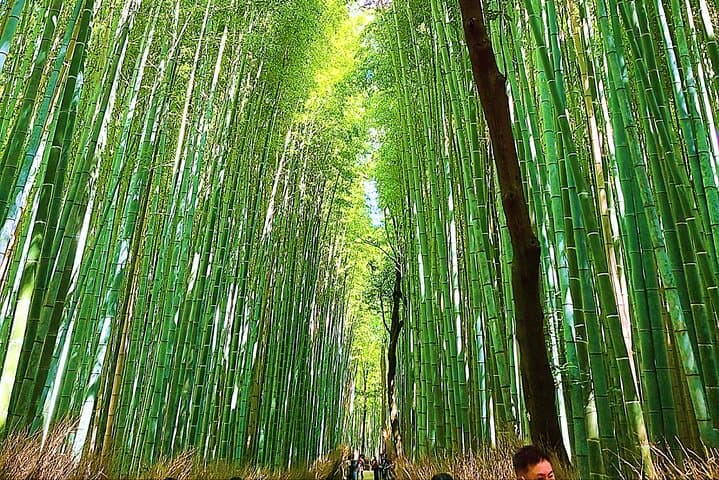
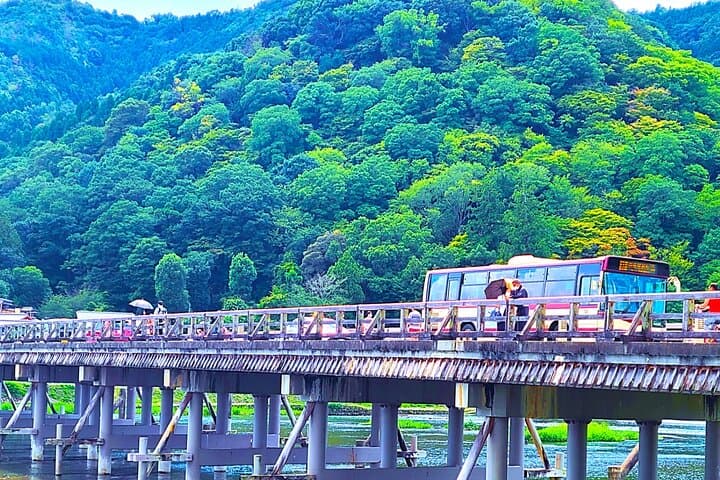
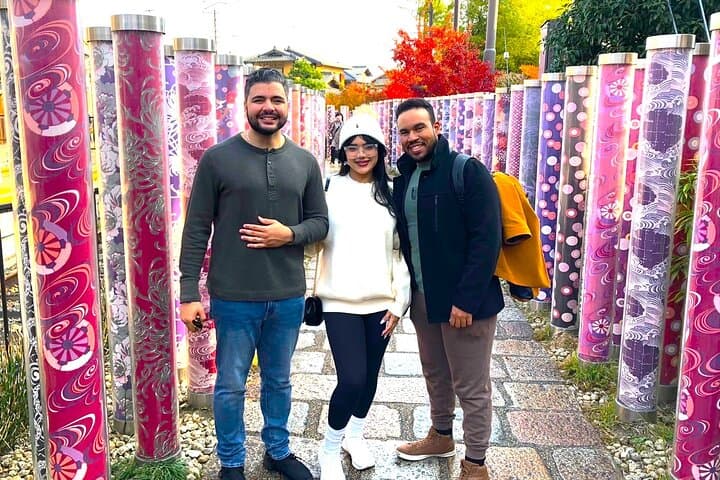
You step out of JR Saga-Arashiyama station at 8:50 and the air smells faintly of cedar and river water. The guide—born and raised nearby—begins folding a day of Kyoto into place: bamboo groves that whisper, temple roofs catching light, and alleys where lacquered shopfronts hold century-old crafts.
You step out of JR Saga-Arashiyama station at 8:50 and the air smells faintly of cedar and river water. The guide—born and raised nearby—begins folding a day of Kyoto into place: bamboo groves that whisper, temple roofs catching light, and alleys where lacquered shopfronts hold century-old crafts.
This full-day circuit threads Arashiyama’s bamboo forest, Ryoan-ji’s austere rock garden, the lacquered brilliance of Kinkaku-ji, and the thousand vermilion torii of Fushimi Inari, finishing on the narrow lanes of Gion. Kyoto’s layout reflects its Heian-era planning and layered religious histories: Buddhist temples, Shinto shrines and merchant quarters coexist within a compact urban fabric carved by rivers and ancient roads.
Geology is subtle—soft hills of volcanic ash and granite outcrops shape garden stones and temple foundations; the Katsura and Kamo rivers have guided settlement and seasonal festivals for centuries. Local culture shows in etiquette (quiet at shrines, remove shoes when invited) and foodways—conveyor-belt sushi and ramen sit alongside macha sweets.
Practically: expect heavy walking—guides warn about 20,000 steps. Public transit and short bus hops link sites; an IC card (Suica/Pasmo) speeds movement. Wear supportive footwear, carry water, and plan for weather shifts—temples have limited shelter. Bring cash for small purchases and leave large bags at your hotel; late arrivals are not permitted. With rhythm and preparation, this is a day's worth of Kyoto packed into an efficient, human-paced loop—perfect for first-time visitors who want context as well as the city’s essential views.