THE ADVENTURE COLLECTIVE® · Independent discovery and booking for outdoor travel

Spend a full day walking Kyoto’s highlights: the vermilion tunnels of Fushimi Inari, the hush of Arashiyama’s bamboo, a short ridge hike to meet Japanese macaques, and the shimmering Golden Pavilion. This public-transport walking tour blends history, nature, and practical logistics for an efficient day in the city.
Spend a full day walking Kyoto’s highlights: the vermilion tunnels of Fushimi Inari, the hush of Arashiyama’s bamboo, a short ridge hike to meet Japanese macaques, and the shimmering Golden Pavilion. This public-transport walking tour blends history, nature, and practical logistics for an efficient day in the city.
You meet by the fox statue outside JR Inari Station and step into a corridor of vermilion torii that threads up Mount Inari. The gates close behind you like a quiet crowd; small shrines punctuate the climb and the air smells faintly of incense and cedar. Later, the bamboo stalks of Arashiyama lean in, a green choir that hushes the river below, and a short, steep hike pushes you to the ridge where macaques lounge and the city unfolds.
Verified experiences and guided adventures in the surrounding area.
Operated by Japan Tour Adventure · Kyoto, Kyoto
You meet by the fox statue outside JR Inari Station and step into a corridor of vermilion torii that threads up Mount Inari. The gates close behind you like a quiet crowd; small shrines punctuate the climb and the air smells faintly of incense and cedar. Later, the bamboo stalks of Arashiyama lean in, a green choir that hushes the river below, and a short, steep hike pushes you to the ridge where macaques lounge and the city unfolds.
This compact route moves through layers of Kyoto history: Fushimi Inari’s origins in the 8th century, Tenryuji’s Zen gardens from the 14th century, and Kinkakuji’s Muromachi-era gilded pavilion mirrored on a still pond. Geology here is gentle—low volcanic hills and river terraces carved by the Katsura—so the walking is mostly paved or gravel, with one 15–20 minute steep trail to Iwatayama’s monkey park.
Practically, this is an eight-hour walking tour using trains and buses between sites (transport not included). Expect 4–6 miles of walking spread across the day, brief stair sections, and urban-rural transitions. Bring an IC transport card (ICOCA/SUICA), cash for small shops, sun protection, and reusable water. The monkey park permits supervised feeding; otherwise do not feed wildlife. Guides handle tickets for Tenryuji and Kinkakuji and provide local context; groups are small but shared. Start early to avoid peak crowds at Fushimi, and plan light layers—the shade in the bamboo can feel several degrees cooler. This itinerary rewards curiosity: ancient shrines, a bamboo cathedral, playful macaques, and a gilded temple that glows as the day cools.
moderate.
8 hours (approx).
Good for travelers who can handle several miles of walking and a short steep climb; not recommended for those with serious knee issues.
No—this walking tour uses public trains and buses; guests should have an IC card or cash for fares.
The climb is short (about 15–20 minutes) but steep; most people manage it, but it’s not recommended for those with serious leg or knee problems.
Entrance to Tenryuji, Monkey Park, and Kinkakuji are included in the tour price per the itinerary inclusions; meals and local transport fares are not included.
Solo bookings are accepted but the tour has a two-guest minimum and may be rescheduled or refunded if minimums aren’t met.
Fushimi Inari dates back to the early 700s as a center for rice-planting deity worship; Tenryuji is a 14th-century Zen monastery and Kinkakuji’s current form reflects Muromachi-period aristocratic culture.
High visitor numbers strain fragile temple gardens and narrow paths—stick to marked routes, avoid littering, and follow rules around wildlife feeding to minimize impact.
Japan Tour Adventure operates guided outdoor trips and adventures with an emphasis on safety, stewardship, and memorable experiences.
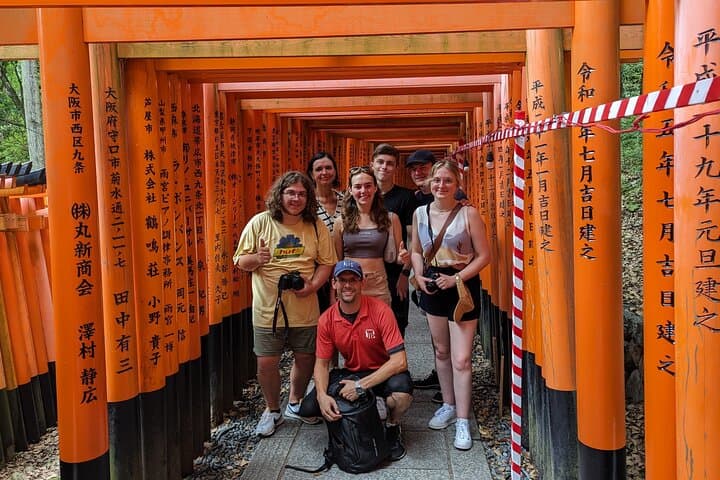
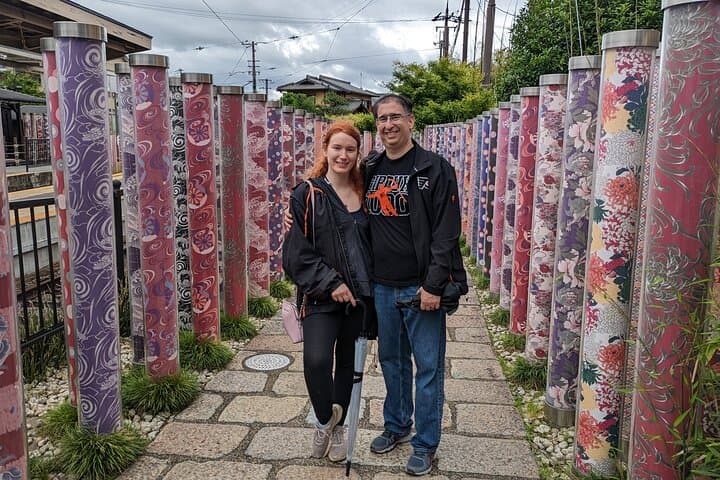
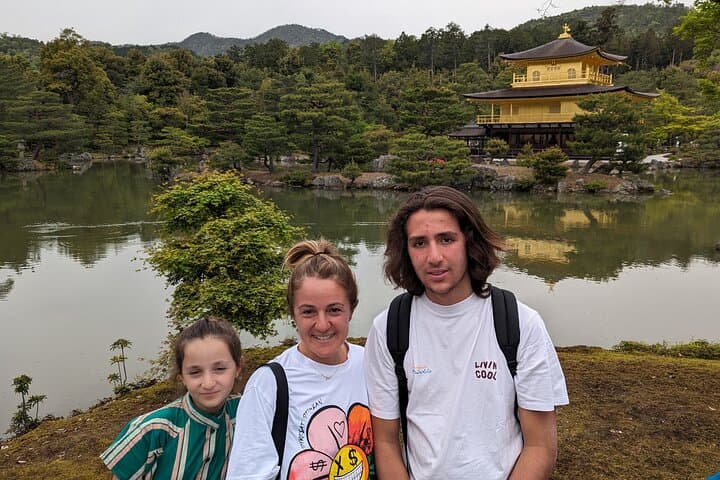
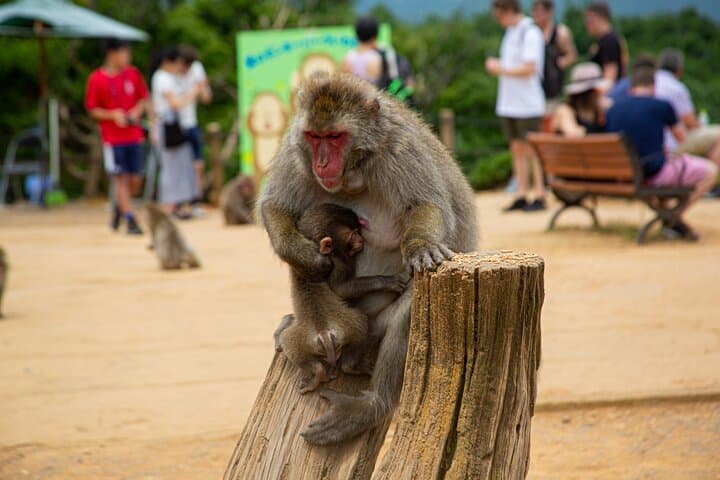
You meet by the fox statue outside JR Inari Station and step into a corridor of vermilion torii that threads up Mount Inari. The gates close behind you like a quiet crowd; small shrines punctuate the climb and the air smells faintly of incense and cedar. Later, the bamboo stalks of Arashiyama lean in, a green choir that hushes the river below, and a short, steep hike pushes you to the ridge where macaques lounge and the city unfolds.
You meet by the fox statue outside JR Inari Station and step into a corridor of vermilion torii that threads up Mount Inari. The gates close behind you like a quiet crowd; small shrines punctuate the climb and the air smells faintly of incense and cedar. Later, the bamboo stalks of Arashiyama lean in, a green choir that hushes the river below, and a short, steep hike pushes you to the ridge where macaques lounge and the city unfolds.
This compact route moves through layers of Kyoto history: Fushimi Inari’s origins in the 8th century, Tenryuji’s Zen gardens from the 14th century, and Kinkakuji’s Muromachi-era gilded pavilion mirrored on a still pond. Geology here is gentle—low volcanic hills and river terraces carved by the Katsura—so the walking is mostly paved or gravel, with one 15–20 minute steep trail to Iwatayama’s monkey park.
Practically, this is an eight-hour walking tour using trains and buses between sites (transport not included). Expect 4–6 miles of walking spread across the day, brief stair sections, and urban-rural transitions. Bring an IC transport card (ICOCA/SUICA), cash for small shops, sun protection, and reusable water. The monkey park permits supervised feeding; otherwise do not feed wildlife. Guides handle tickets for Tenryuji and Kinkakuji and provide local context; groups are small but shared. Start early to avoid peak crowds at Fushimi, and plan light layers—the shade in the bamboo can feel several degrees cooler. This itinerary rewards curiosity: ancient shrines, a bamboo cathedral, playful macaques, and a gilded temple that glows as the day cools.