THE ADVENTURE COLLECTIVE® · Independent discovery and booking for outdoor travel

This full-day private shore excursion from Osaka or Kobe connects Kyoto’s signature sites—Fushimi Inari, Kiyomizu-dera and Arashiyama—into one navigable day. Expect steady walking, historic shrines, sweeping city views and a bamboo grove finale.
This full-day private shore excursion from Osaka or Kobe connects Kyoto’s signature sites—Fushimi Inari, Kiyomizu-dera and Arashiyama—into one navigable day. Expect steady walking, historic shrines, sweeping city views and a bamboo grove finale.
A morning in Kyoto begins under a corridor of vermilion gates at Fushimi Inari, where the Senbon Torii seems to draw visitors forward like a city-sized compass.
Verified experiences and guided adventures in the surrounding area.
Operated by H.I.S.Co., Ltd. · Kyoto, Kyoto Prefecture
A morning in Kyoto begins under a corridor of vermilion gates at Fushimi Inari, where the Senbon Torii seems to draw visitors forward like a city-sized compass.
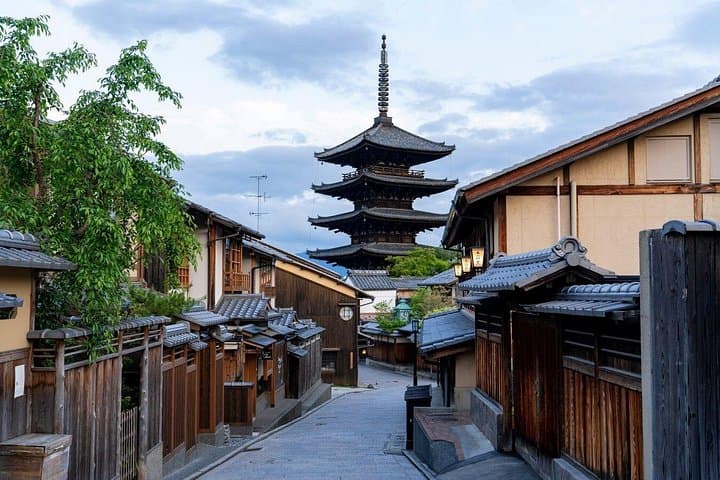
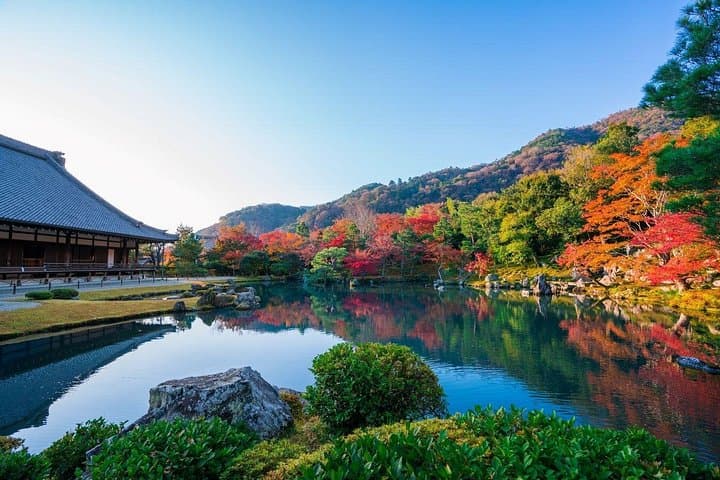
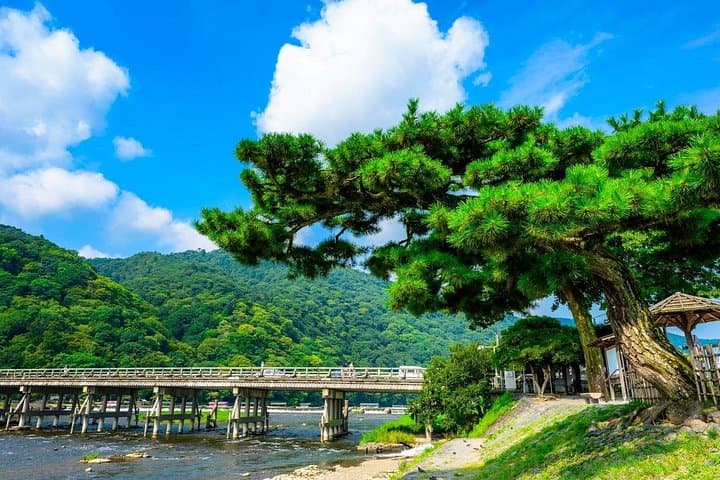
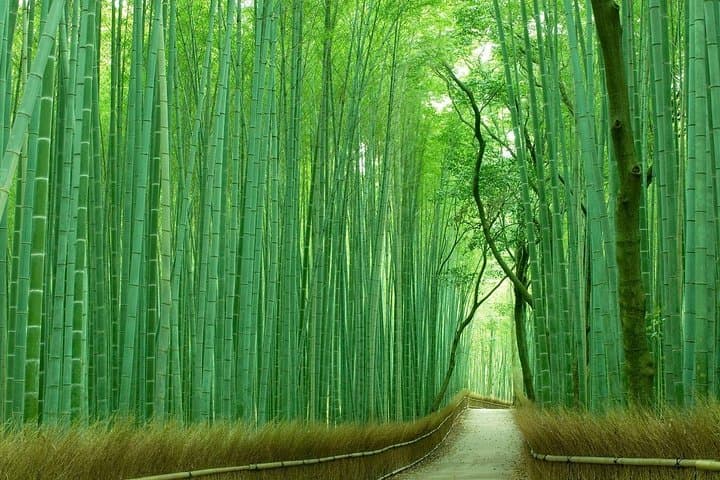
The tour moves with purpose: a walk through the layered tunnels of torii that climb a forested flank, then across the city to Kiyomizu-dera, whose wooden stage projects visitors over maple-splashed slopes and tiled rooftops. By afternoon the group reaches Arashiyama, where bamboo stalks press skyward and the Ogura River dares currents past Togetsukyo Bridge. The sequence—shrine, temple, bamboo grove—compresses Kyoto’s spiritual and natural character into a single day.
Historically, these sites trace Kyoto’s role as Japan’s imperial and religious heart; Fushimi Inari’s fox guardians and Kiyomizu’s drinking springs reflect centuries of local devotion. Geologically the region sits on low hills and river terraces carved by the Katsura and Kamo rivers—terrain that makes viewpoints dramatic but the walking generally gentle.
Practical guidance: expect 6–10 km of walking across variable surfaces—stone steps at shrines, packed-earth paths in Arashiyama. Wear grippy shoes, bring a light rain layer and a refillable water bottle. Time your return to Osaka/Kobe for port embarkation—traffic can add 45–90 minutes each way. For photographers, early morning at Fushimi or late afternoon in Arashiyama offer the best light and fewer crowds. This private shore excursion compresses key Kyoto experiences into one logistically tight, deeply rewarding day.
easy.
10–12 hours.
Suitable for most fitness levels but expect several hours of standing and walking, including steps
Yes; the tour includes admission to Kiyomizu-dera as noted in the itinerary.
Plan for 6–10 km of walking on mostly easy terrain, with several flights of stone steps at shrine and temple sites.
The private transfer is designed for shore excursions—confirm pickup/drop-off times when booking to align with your ship’s schedule.
Meals are not listed as included; Arashiyama offers cafes and casual restaurants where the group can pause for refreshments.
Kyoto was Japan’s capital for over a thousand years; Fushimi Inari has served merchants and farmers since the Heian era, while Kiyomizu-dera dates to the 8th century.
Visitors should stick to marked paths and avoid feeding wildlife; many sites rely on funded maintenance, so carry out trash and respect signage to reduce impact.
H.I.S.Co., Ltd. operates guided outdoor trips and adventures with an emphasis on safety, stewardship, and memorable experiences.
A morning in Kyoto begins under a corridor of vermilion gates at Fushimi Inari, where the Senbon Torii seems to draw visitors forward like a city-sized compass.
A morning in Kyoto begins under a corridor of vermilion gates at Fushimi Inari, where the Senbon Torii seems to draw visitors forward like a city-sized compass.
The tour moves with purpose: a walk through the layered tunnels of torii that climb a forested flank, then across the city to Kiyomizu-dera, whose wooden stage projects visitors over maple-splashed slopes and tiled rooftops. By afternoon the group reaches Arashiyama, where bamboo stalks press skyward and the Ogura River dares currents past Togetsukyo Bridge. The sequence—shrine, temple, bamboo grove—compresses Kyoto’s spiritual and natural character into a single day.
Historically, these sites trace Kyoto’s role as Japan’s imperial and religious heart; Fushimi Inari’s fox guardians and Kiyomizu’s drinking springs reflect centuries of local devotion. Geologically the region sits on low hills and river terraces carved by the Katsura and Kamo rivers—terrain that makes viewpoints dramatic but the walking generally gentle.
Practical guidance: expect 6–10 km of walking across variable surfaces—stone steps at shrines, packed-earth paths in Arashiyama. Wear grippy shoes, bring a light rain layer and a refillable water bottle. Time your return to Osaka/Kobe for port embarkation—traffic can add 45–90 minutes each way. For photographers, early morning at Fushimi or late afternoon in Arashiyama offer the best light and fewer crowds. This private shore excursion compresses key Kyoto experiences into one logistically tight, deeply rewarding day.