THE ADVENTURE COLLECTIVE® · Independent discovery and booking for outdoor travel

Compress Kyoto’s top cultural sites into one curated day—Fushimi Inari’s gates, Kiyomizu’s lookout, Kinkaku-ji’s reflected pavilion and Arashiyama’s bamboo paths—delivered by a private charter from Osaka or Kyoto. Practical, customizable, and ideal for first-time visitors.
Compress Kyoto’s top cultural sites into one curated day—Fushimi Inari’s gates, Kiyomizu’s lookout, Kinkaku-ji’s reflected pavilion and Arashiyama’s bamboo paths—delivered by a private charter from Osaka or Kyoto. Practical, customizable, and ideal for first-time visitors.
You step into Kyoto at first light, the city a slow-moving current of wood, stone and river. The private car eases through neighborhoods where tiled roofs fan out beneath low hills; the guide opens a window of local context—shrines, samurai-era streets, a living city that remembers the Heian court.
Verified experiences and guided adventures in the surrounding area.
Operated by H.I.S.Co., Ltd. · Kyoto, Kyoto Prefecture
You step into Kyoto at first light, the city a slow-moving current of wood, stone and river. The private car eases through neighborhoods where tiled roofs fan out beneath low hills; the guide opens a window of local context—shrines, samurai-era streets, a living city that remembers the Heian court.
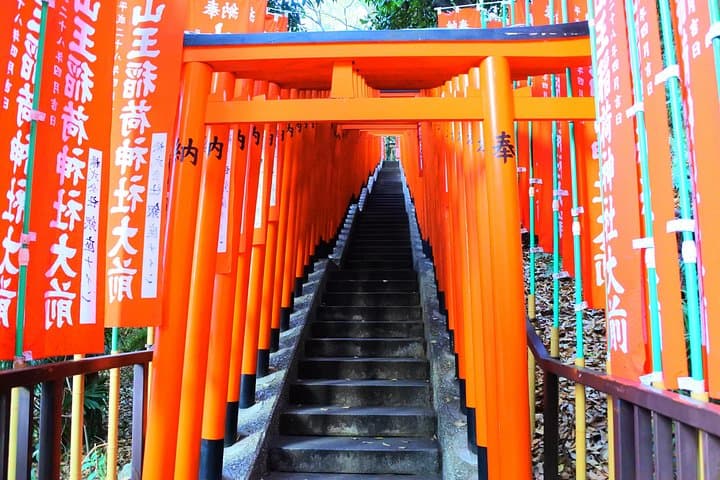
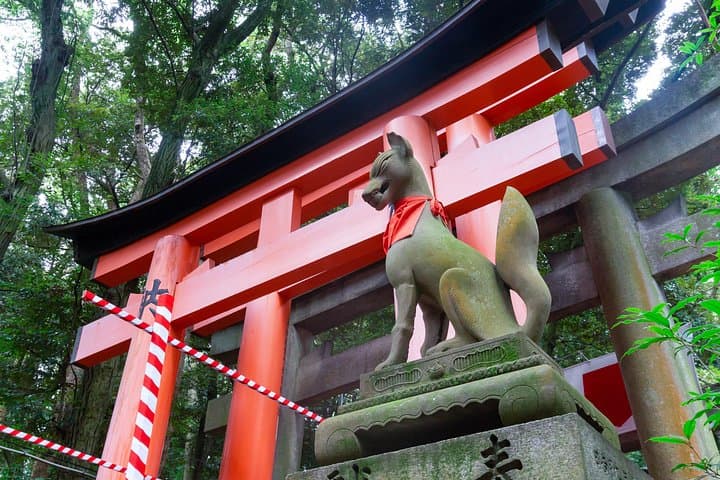
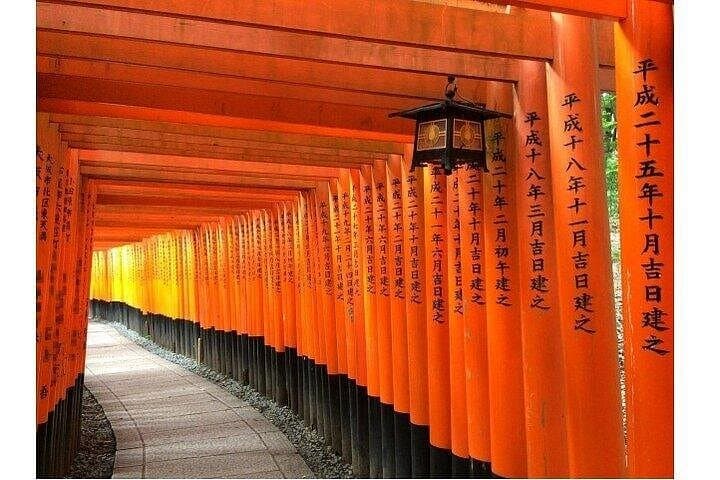
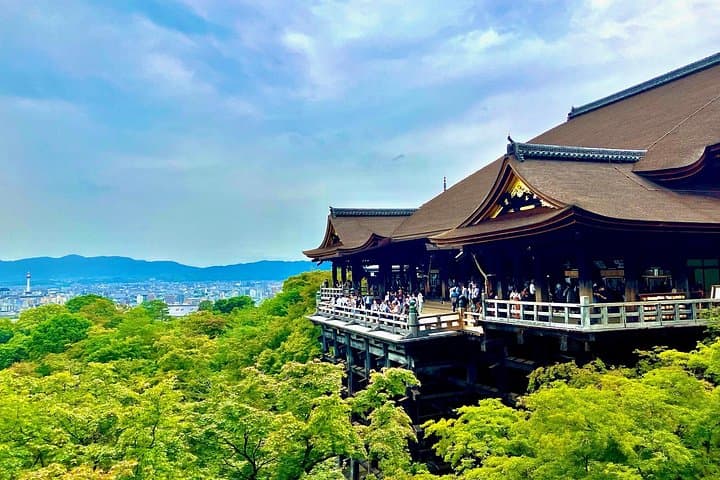
The day threads together UNESCO sites and neighborhood favorites: the red gates of Fushimi Inari that push visitors forward like a bright tide, the wooden stage of Kiyomizu-dera that frames a panoramic cityscape, the reflective plane of Kinkaku-ji’s golden façade, and Arashiyama’s bamboo aisles where wind and stalks converse. Kyoto’s geology is shaped by river terraces and low volcanic hills; its streets reflect a capital established in 794 CE, layered with imperial gardens and merchant lanes.
Culturally, expect restrained ritual—bowed priests, tea-house protocol—and modern life folded around shrines. Guides usually allow a mix of fixed and flexible stops; entrance fees may be paid on-site for custom itineraries. The pace is walking interspersed with short drives, so bring comfort rather than technical gear.
Practical guidance: aim for a 9–11 hour day—start early to avoid mid-day crowds at major temples. Wear supportive shoes for uneven paths and steps, carry water and cash for smaller shrines or local snacks, and plan priorities (photo-heavy spots add time). If traveling in high season, ask to swap sites for quieter alternatives. This private charter compresses Kyoto’s visual and historical highlights into a single, manageable day with room to customize based on interest and mobility.
easy.
9–11 hours.
Light fitness required—mostly walking and short stair climbs over several hours; suitable for most adults.
Entrance fees are not included for many stops; for the free-itinerary option you should plan to pay admission on-site as needed.
Pickup is available in Osaka or Kyoto—confirm your pickup point when booking and allow time for morning travel if coming from Osaka.
Yes; this is a private group up to eight people and the second option lets you arrange the itinerary with the guide that day.
The tour is low-impact overall but includes temple stairs and uneven paths; it’s not recommended for guests with serious spinal or cardiovascular conditions per provider notes.
Kyoto served as Japan’s imperial capital from 794 until 1868; many temples and palaces preserve architecture and garden design from centuries of court influence.
High visitor numbers stress historic sites—follow signage, stay on paths, and avoid feeding wildlife; many temples limit access to protect fabric and gardens.
H.I.S.Co., Ltd. operates guided outdoor trips and adventures with an emphasis on safety, stewardship, and memorable experiences.
You step into Kyoto at first light, the city a slow-moving current of wood, stone and river. The private car eases through neighborhoods where tiled roofs fan out beneath low hills; the guide opens a window of local context—shrines, samurai-era streets, a living city that remembers the Heian court.
You step into Kyoto at first light, the city a slow-moving current of wood, stone and river. The private car eases through neighborhoods where tiled roofs fan out beneath low hills; the guide opens a window of local context—shrines, samurai-era streets, a living city that remembers the Heian court.
The day threads together UNESCO sites and neighborhood favorites: the red gates of Fushimi Inari that push visitors forward like a bright tide, the wooden stage of Kiyomizu-dera that frames a panoramic cityscape, the reflective plane of Kinkaku-ji’s golden façade, and Arashiyama’s bamboo aisles where wind and stalks converse. Kyoto’s geology is shaped by river terraces and low volcanic hills; its streets reflect a capital established in 794 CE, layered with imperial gardens and merchant lanes.
Culturally, expect restrained ritual—bowed priests, tea-house protocol—and modern life folded around shrines. Guides usually allow a mix of fixed and flexible stops; entrance fees may be paid on-site for custom itineraries. The pace is walking interspersed with short drives, so bring comfort rather than technical gear.
Practical guidance: aim for a 9–11 hour day—start early to avoid mid-day crowds at major temples. Wear supportive shoes for uneven paths and steps, carry water and cash for smaller shrines or local snacks, and plan priorities (photo-heavy spots add time). If traveling in high season, ask to swap sites for quieter alternatives. This private charter compresses Kyoto’s visual and historical highlights into a single, manageable day with room to customize based on interest and mobility.