THE ADVENTURE COLLECTIVE® · Independent discovery and booking for outdoor travel

Explore Kyoto’s iconic temples, bamboo groves and historic Gion in a private car with an English-speaking guide. This full-day route is customizable and offers a Nara extension to see Todaiji and the deer park.
Explore Kyoto’s iconic temples, bamboo groves and historic Gion in a private car with an English-speaking guide. This full-day route is customizable and offers a Nara extension to see Todaiji and the deer park.
You step out of Kyoto Station into cool air, board an air-conditioned car and watch the city peel away: tiled roofs give way to river flats, then to the green shoulders of Higashiyama and Arashiyama. A local guide opens the door to stories — samurai politics at Kinkakuji, the thousand orange torii of Fushimi Inari, and the hushed lanes of Gion where maiko still practice age-old etiquette.
Verified experiences and guided adventures in the surrounding area.
Operated by Riku · Kyoto, Kyoto Prefecture
You step out of Kyoto Station into cool air, board an air-conditioned car and watch the city peel away: tiled roofs give way to river flats, then to the green shoulders of Higashiyama and Arashiyama. A local guide opens the door to stories — samurai politics at Kinkakuji, the thousand orange torii of Fushimi Inari, and the hushed lanes of Gion where maiko still practice age-old etiquette.
Kyoto sits in a basin ringed by low volcanic and sedimentary hills; its temples map centuries of Japanese religious and political history from the Heian era through the Ashikaga shogunate. Arashiyama’s river and bamboo stands reflect landscape planning that aristocrats have prized since the 9th century. Cultural notes are everywhere: stone foxes at Inari, lacquered bridgework at Togetsu, and narrow merchant streets in Gion that hint at living tradition.
Practically, this private full-day tour runs about eight hours with hotel pickup and drop-off, and stops commonly include Kinkakuji (golden pavilion), Arashiyama (bamboo grove and Togetsu Bridge), Gion, and Fushimi Inari. Guide entrance fees and meals are typically paid by guests; vehicle fares, parking, and expressway tolls are included in the service. Expect moderate walking, paved paths, and some stairs at shrines. Best times: early morning at Fushimi Inari for light and fewer crowds, late afternoon at Arashiyama for softer light on the river.
Bring comfortable shoes, small bills or an IC card, a compact rain jacket in summer, and a phone charger. The guide can tailor the route — opt for the Nara extension to see Todaiji and roaming deer if you want temple scale and open parkland.
easy.
8 hours.
Able to walk short stretches and climb temple steps; suitable for most fitness levels
No—entrance fees and meals are generally paid by guests; the tour covers transportation, parking, and guide services.
Yes—the private format allows adjustments; the Nara option typically adds Todaiji and Nara Park but increases travel time.
Many vehicles and main stop areas are accessible, but some shrine and temple pathways include steps—check specifics with the operator when booking.
Pick-up and drop-off are available at Kyoto Station and many central hotels—confirm your pickup point when reserving.
Kyoto served as Japan’s imperial capital from 794 to 1868; many temples and garden layouts reflect Heian and Muromachi-era patronage.
High visitor numbers stress sites—stay on marked paths, avoid single-use plastics, and follow shrine etiquette to protect cultural and natural assets.
Riku operates guided outdoor trips and adventures with an emphasis on safety, stewardship, and memorable experiences.
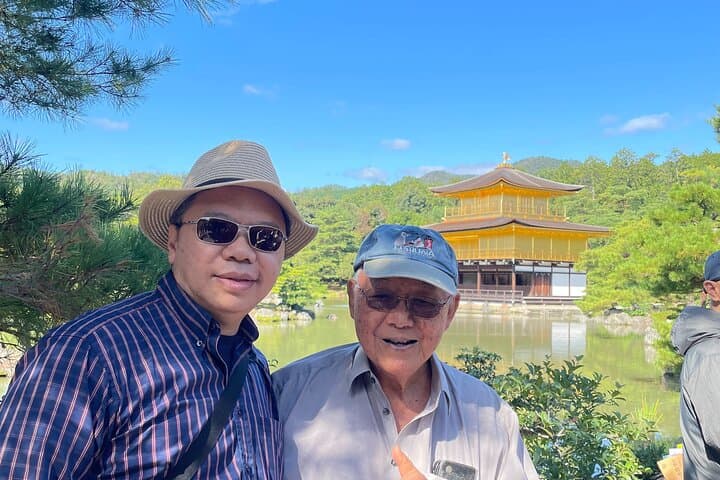
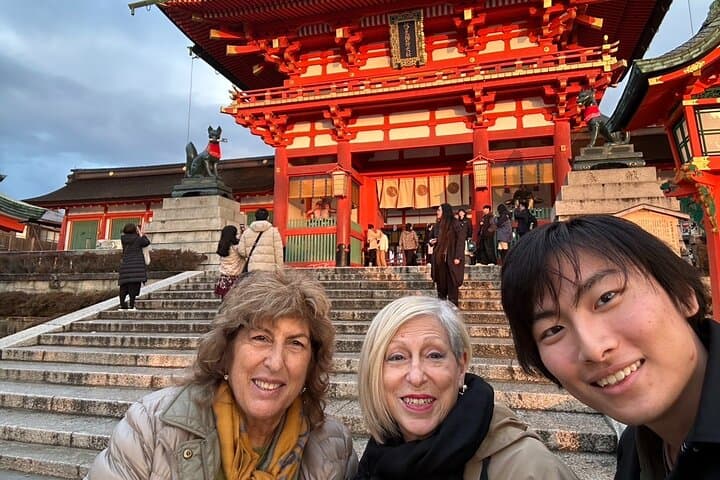
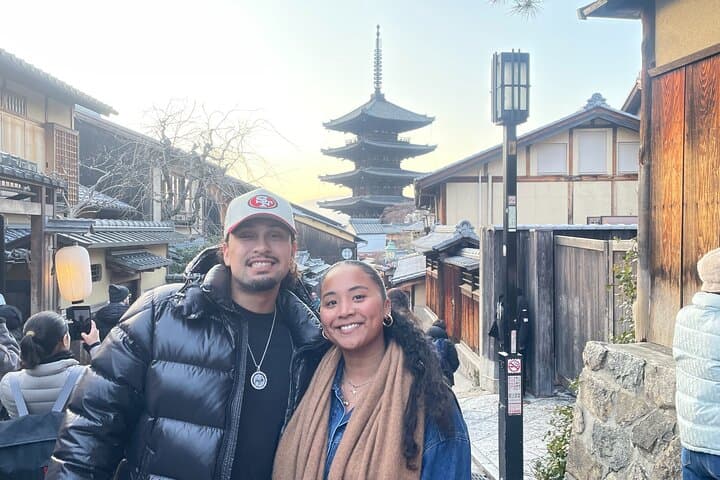
You step out of Kyoto Station into cool air, board an air-conditioned car and watch the city peel away: tiled roofs give way to river flats, then to the green shoulders of Higashiyama and Arashiyama. A local guide opens the door to stories — samurai politics at Kinkakuji, the thousand orange torii of Fushimi Inari, and the hushed lanes of Gion where maiko still practice age-old etiquette.
You step out of Kyoto Station into cool air, board an air-conditioned car and watch the city peel away: tiled roofs give way to river flats, then to the green shoulders of Higashiyama and Arashiyama. A local guide opens the door to stories — samurai politics at Kinkakuji, the thousand orange torii of Fushimi Inari, and the hushed lanes of Gion where maiko still practice age-old etiquette.
Kyoto sits in a basin ringed by low volcanic and sedimentary hills; its temples map centuries of Japanese religious and political history from the Heian era through the Ashikaga shogunate. Arashiyama’s river and bamboo stands reflect landscape planning that aristocrats have prized since the 9th century. Cultural notes are everywhere: stone foxes at Inari, lacquered bridgework at Togetsu, and narrow merchant streets in Gion that hint at living tradition.
Practically, this private full-day tour runs about eight hours with hotel pickup and drop-off, and stops commonly include Kinkakuji (golden pavilion), Arashiyama (bamboo grove and Togetsu Bridge), Gion, and Fushimi Inari. Guide entrance fees and meals are typically paid by guests; vehicle fares, parking, and expressway tolls are included in the service. Expect moderate walking, paved paths, and some stairs at shrines. Best times: early morning at Fushimi Inari for light and fewer crowds, late afternoon at Arashiyama for softer light on the river.
Bring comfortable shoes, small bills or an IC card, a compact rain jacket in summer, and a phone charger. The guide can tailor the route — opt for the Nara extension to see Todaiji and roaming deer if you want temple scale and open parkland.