THE ADVENTURE COLLECTIVE® · Independent discovery and booking for outdoor travel

Dress in a full-day kimono with professional hair and makeup in Kyoto’s historic districts. This experience combines traditional fitting techniques with modern styling—ideal for photos around Gion and Sannenzaka.
Dress in a full-day kimono with professional hair and makeup in Kyoto’s historic districts. This experience combines traditional fitting techniques with modern styling—ideal for photos around Gion and Sannenzaka.
You step off a narrow Kyoto lane into a small studio where silk and patterned cotton hang like pages of an old book. Outside, the Shirakawa Canal hurries past, daring you to slow down; inside, an attendant measures your height and comfortingly ties the first layer of that day’s silhouette.
Verified experiences and guided adventures in the surrounding area.
Operated by oukakimono · Kyoto, Kyoto Prefecture
You step off a narrow Kyoto lane into a small studio where silk and patterned cotton hang like pages of an old book. Outside, the Shirakawa Canal hurries past, daring you to slow down; inside, an attendant measures your height and comfortingly ties the first layer of that day’s silhouette.
The kimono evolved over centuries from Heian court robes to the refined street styles woven by Kyoto’s artisans. In modern Kyoto, rental studios preserve tailoring techniques and hairstyling traditions once practiced for geisha and brides. The experience often blends cultural history with practical craft: underlayers and stiff obi transform simple posture into a composed line that reflects a long visual language.
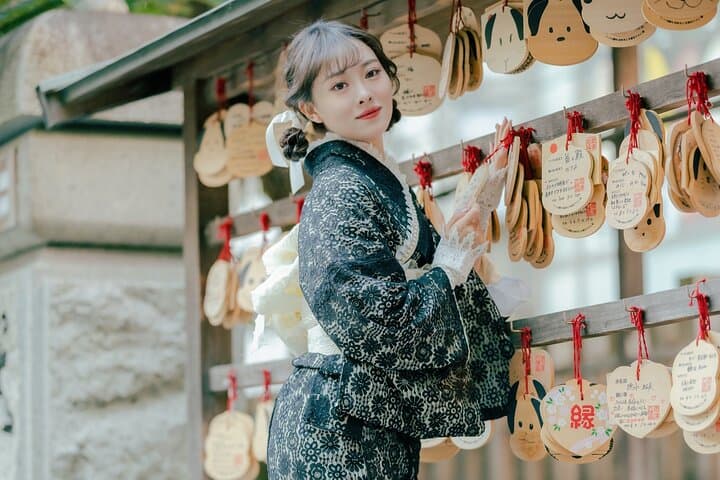
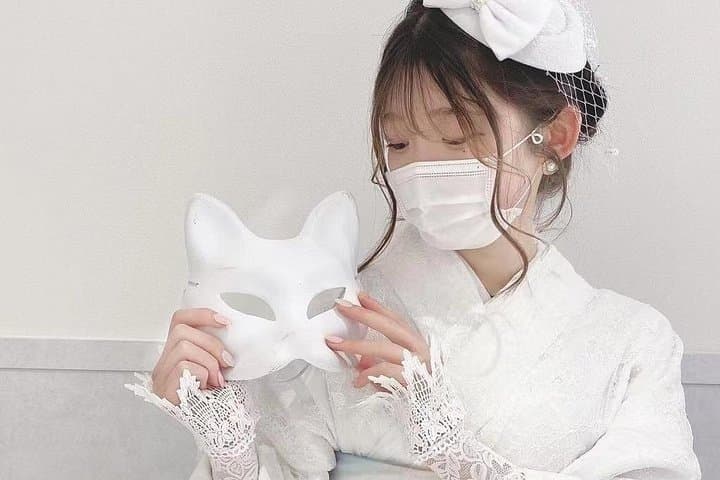
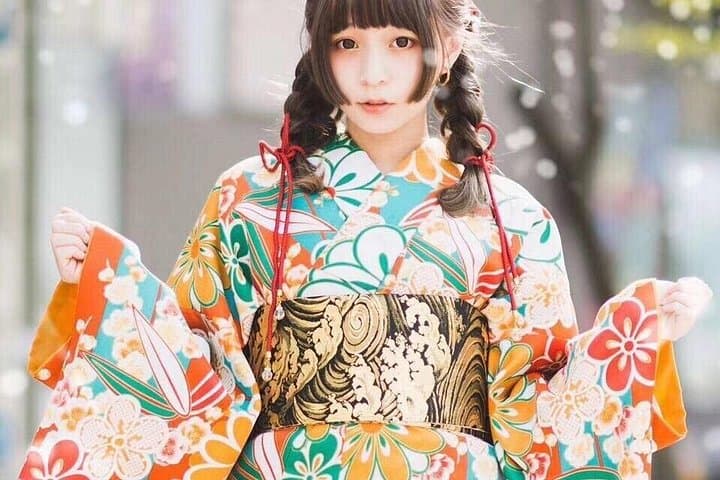
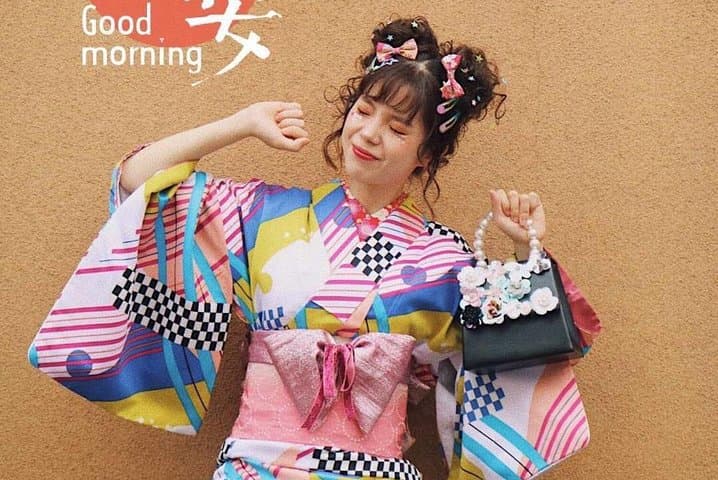
Expect a full-day rental: dressing, professional hair and makeup, photo-ready accessories and kimono shoes (zori). Cross-dressing or gender-variant options are available at many studios in Kyoto’s historic districts, offering stylists who adapt patterns, colors and silhouette to the wearer’s preferences. Kyoto’s cobbled slopes—Sannenzaka and the Gion alleys—are common walking routes for photos and short strolls.
Practical notes: mobility is reduced in an obi; plan shorter walks and allow extra time for restroom breaks. Book morning slots during cherry blossom or autumn color seasons to avoid crowds; studios often require height and weight for proper fit and may have health restrictions (spine, pregnancy).
Carry a small bag, be ready to remove heavy outerwear for fittings, and keep shoes easy to slip on. Studios accept mobile or paper tickets; cancellations are commonly non-refundable. With attentive staff and clear expectations, a kimono day in Kyoto is a hands-on cultural lesson and an elegant way to move through the city’s living history.
easy.
Up to 24 hours (full-day rental).
Suitable for most fitness levels; requires ability to stand and walk short distances and manage stairs with restricted stride.
Most bookings are full-day (studio lists up to 24 hours); check your vendor’s pickup time—some shops return the kimono the same evening.
Yes—this experience includes a simple hairstyle and basic makeup tailored to the chosen look; advanced styling may cost extra.
Yes—rentals encourage short walks for photos in nearby historic districts, but long hikes or crowded events are not recommended due to fabric care and mobility limits.
Studios typically request height, weight and special requirements; people with spinal conditions, certain pregnancies or severe cardiovascular issues may be advised against wearing a kimono.
Kimono styles and obi knots reflect centuries of Japanese dress conventions; Kyoto has been a center for textile dyeing and tailoring since the Heian era.
Respect temple grounds and gardens—avoid trampling moss and follow local rules on photography; support studios that care for and repair garments to extend textile life.
oukakimono operates guided outdoor trips and adventures with an emphasis on safety, stewardship, and memorable experiences.
You step off a narrow Kyoto lane into a small studio where silk and patterned cotton hang like pages of an old book. Outside, the Shirakawa Canal hurries past, daring you to slow down; inside, an attendant measures your height and comfortingly ties the first layer of that day’s silhouette.
You step off a narrow Kyoto lane into a small studio where silk and patterned cotton hang like pages of an old book. Outside, the Shirakawa Canal hurries past, daring you to slow down; inside, an attendant measures your height and comfortingly ties the first layer of that day’s silhouette.
The kimono evolved over centuries from Heian court robes to the refined street styles woven by Kyoto’s artisans. In modern Kyoto, rental studios preserve tailoring techniques and hairstyling traditions once practiced for geisha and brides. The experience often blends cultural history with practical craft: underlayers and stiff obi transform simple posture into a composed line that reflects a long visual language.
Expect a full-day rental: dressing, professional hair and makeup, photo-ready accessories and kimono shoes (zori). Cross-dressing or gender-variant options are available at many studios in Kyoto’s historic districts, offering stylists who adapt patterns, colors and silhouette to the wearer’s preferences. Kyoto’s cobbled slopes—Sannenzaka and the Gion alleys—are common walking routes for photos and short strolls.
Practical notes: mobility is reduced in an obi; plan shorter walks and allow extra time for restroom breaks. Book morning slots during cherry blossom or autumn color seasons to avoid crowds; studios often require height and weight for proper fit and may have health restrictions (spine, pregnancy).
Carry a small bag, be ready to remove heavy outerwear for fittings, and keep shoes easy to slip on. Studios accept mobile or paper tickets; cancellations are commonly non-refundable. With attentive staff and clear expectations, a kimono day in Kyoto is a hands-on cultural lesson and an elegant way to move through the city’s living history.