THE ADVENTURE COLLECTIVE® · Independent discovery and booking for outdoor travel

Walk Kyoto’s signature sites with an accredited government guide who layers history, architecture and local customs into a single, manageable day. Expect steady walking, curated insights, and practical tips for timing, money and mobility.
Walk Kyoto’s signature sites with an accredited government guide who layers history, architecture and local customs into a single, manageable day. Expect steady walking, curated insights, and practical tips for timing, money and mobility.
You step out beneath the plum-bright eaves of a machiya and the city exhales—tea steam, incense and the distant rhythm of wooden geta on stone.
Verified experiences and guided adventures in the surrounding area.
Operated by Konnichiwa-japan · Kyoto, Kyoto Prefecture
You step out beneath the plum-bright eaves of a machiya and the city exhales—tea steam, incense and the distant rhythm of wooden geta on stone.
This full-day guided walk threads Kyoto’s essentials: the vermilion tunnel of Fushimi Inari, the wide wooden veranda of Kiyomizu-dera, the lantern-lit lanes of Gion and the reflective calm of Kinkaku‑ji. Each shrine and temple sits on layers of history: Heian-period court culture, Muromachi Zen landscaping and Edo-era merchant neighborhoods that shaped Kyoto’s urban fabric.
Geology here is quiet but present: volcanic and river deposits created Kyoto Basin’s flat floor while the wooded slopes of Inari and Higashiyama keep cooler, pine-scented air. Local culture is tactile—tea houses, Shinto rituals at small sub-shrines, and craft workshops where craftsmen still refine lacquer and textiles.
Your government-accredited guide explains why torii lines multiply up Mount Inari, how Kiyomizu’s nail-free wooden stage was built, and when to pause for ritual water at Otawa. Expect walking on mixed surfaces—paved streets, compacted temple paths and a few steps—over a 6–8 hour day with intermittent stops for photos, short talks and optional entry fees.
Practical guidance: start early to avoid crowds, carry cash for modest temple admissions and omiyage, wear supportive shoes for uneven steps, and bring a compact umbrella in rainy season. Timing matters—cherry and maple seasons fill sites; late afternoon in Gion increases chances of spotting a maiko. This tour balances cultural depth with steady walking—ideal for travelers wanting context and approachable pace.
easy.
6–8 hours.
Suitable for most walkers who can be on their feet for a half to full day with short breaks.
Yes—this tour is rated physically easy and wheelchair/stroller accessible in many areas, though some temples have steps; notify at booking for accommodations.
Admissions are typically not included; your guide can advise which sites charge and help manage purchases on the day.
Yes—the tour description notes customization based on expectations and available time; discuss priorities when booking.
Guides are government-accredited and fluent in English; confirm any other language needs at booking.
Kyoto was Japan’s imperial capital for over a millennium; its streets and temples reflect layered eras from Heian court life to Zen garden design.
High visitor numbers strain fragile temple gardens and neighborhood streets—stick to marked paths, avoid littering and support local businesses and entry fees that fund preservation.
Konnichiwa-japan operates guided outdoor trips and adventures with an emphasis on safety, stewardship, and memorable experiences.
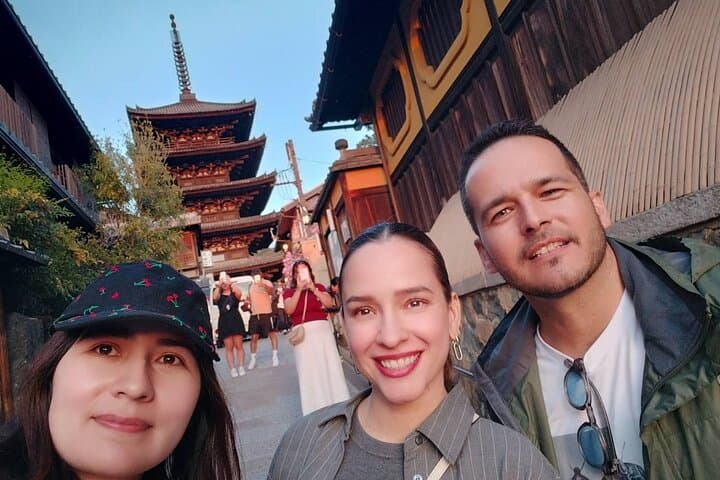
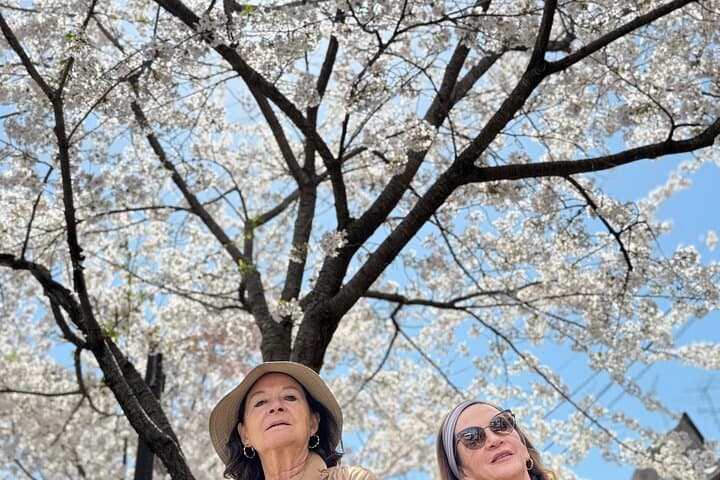
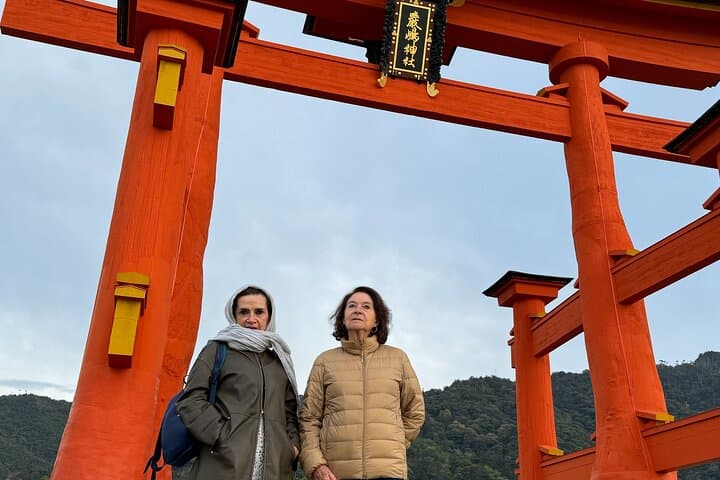
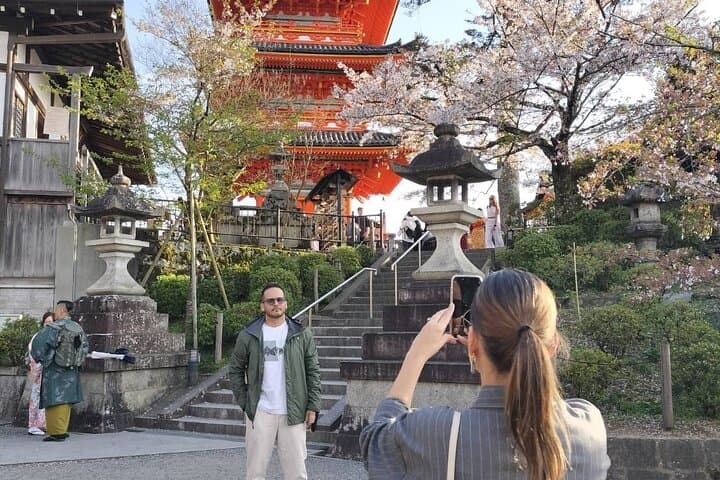
You step out beneath the plum-bright eaves of a machiya and the city exhales—tea steam, incense and the distant rhythm of wooden geta on stone.
You step out beneath the plum-bright eaves of a machiya and the city exhales—tea steam, incense and the distant rhythm of wooden geta on stone.
This full-day guided walk threads Kyoto’s essentials: the vermilion tunnel of Fushimi Inari, the wide wooden veranda of Kiyomizu-dera, the lantern-lit lanes of Gion and the reflective calm of Kinkaku‑ji. Each shrine and temple sits on layers of history: Heian-period court culture, Muromachi Zen landscaping and Edo-era merchant neighborhoods that shaped Kyoto’s urban fabric.
Geology here is quiet but present: volcanic and river deposits created Kyoto Basin’s flat floor while the wooded slopes of Inari and Higashiyama keep cooler, pine-scented air. Local culture is tactile—tea houses, Shinto rituals at small sub-shrines, and craft workshops where craftsmen still refine lacquer and textiles.
Your government-accredited guide explains why torii lines multiply up Mount Inari, how Kiyomizu’s nail-free wooden stage was built, and when to pause for ritual water at Otawa. Expect walking on mixed surfaces—paved streets, compacted temple paths and a few steps—over a 6–8 hour day with intermittent stops for photos, short talks and optional entry fees.
Practical guidance: start early to avoid crowds, carry cash for modest temple admissions and omiyage, wear supportive shoes for uneven steps, and bring a compact umbrella in rainy season. Timing matters—cherry and maple seasons fill sites; late afternoon in Gion increases chances of spotting a maiko. This tour balances cultural depth with steady walking—ideal for travelers wanting context and approachable pace.