THE ADVENTURE COLLECTIVE® · Independent discovery and booking for outdoor travel

Walk through Kuala Lumpur’s contrasts: wet markets, Little India, Chinatown and historic temples, with short monorail hops to bridge the city. This full-day guided route pairs sensory urban experiences with clear practical tips for a comfortable, culturally rich day.
Walk through Kuala Lumpur’s contrasts: wet markets, Little India, Chinatown and historic temples, with short monorail hops to bridge the city. This full-day guided route pairs sensory urban experiences with clear practical tips for a comfortable, culturally rich day.
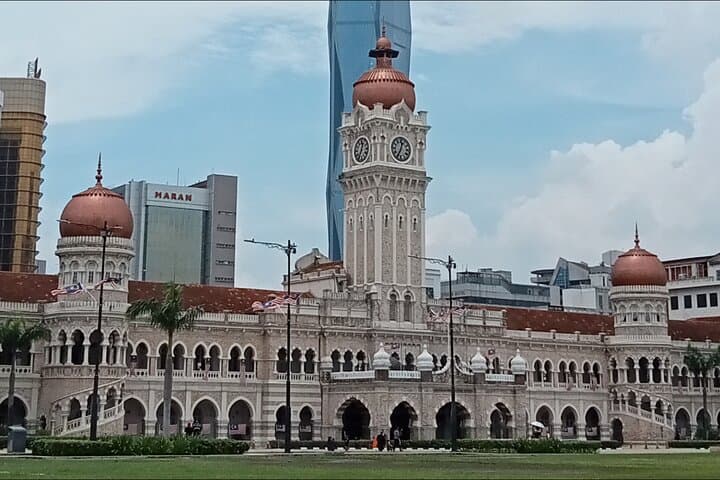
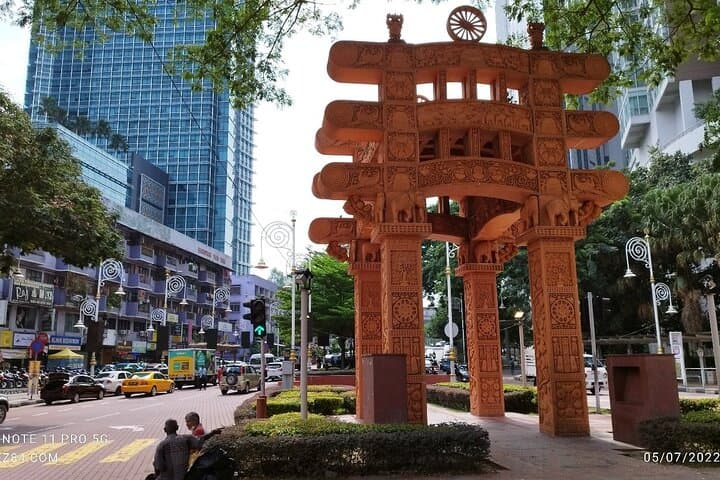
You step off the monorail into a humid street where the city talks in many voices: hawkers calling, diesel buses sighing, incense smoke rising from temple doorways. The skyline pushes glass towers upward while the older masonry buildings hold their ground, and the river moves through the city like an old habit.
Verified experiences and guided adventures in the surrounding area.
Operated by SK TRAVEL CAR HIRE M SDN BHD · Kuala Lumpur, Kuala Lumpur
You step off the monorail into a humid street where the city talks in many voices: hawkers calling, diesel buses sighing, incense smoke rising from temple doorways. The skyline pushes glass towers upward while the older masonry buildings hold their ground, and the river moves through the city like an old habit.
Kuala Lumpur began as a tin-trading outpost at the confluence of the Gombak and Klang rivers in the mid-19th century; that layered history is visible in shopfronts, colonial facades and the grid of lanes around the old market. The geology that made this valley valuable — tin-rich alluvial deposits — shaped settlement patterns and the multicultural mix of Malay, Chinese and Indian communities still visible today.
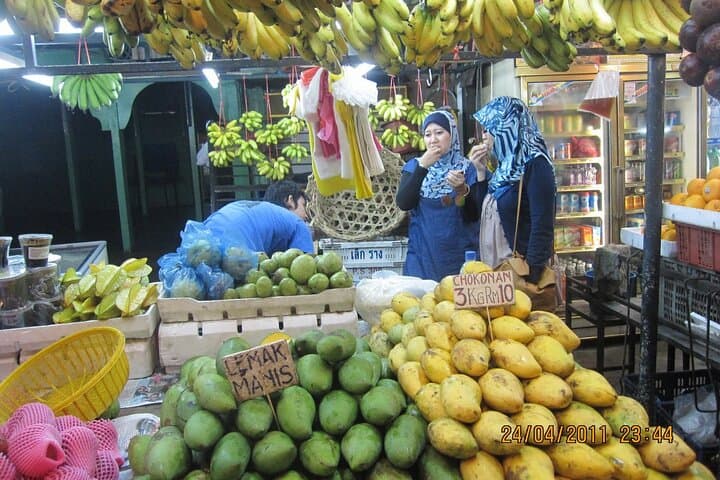
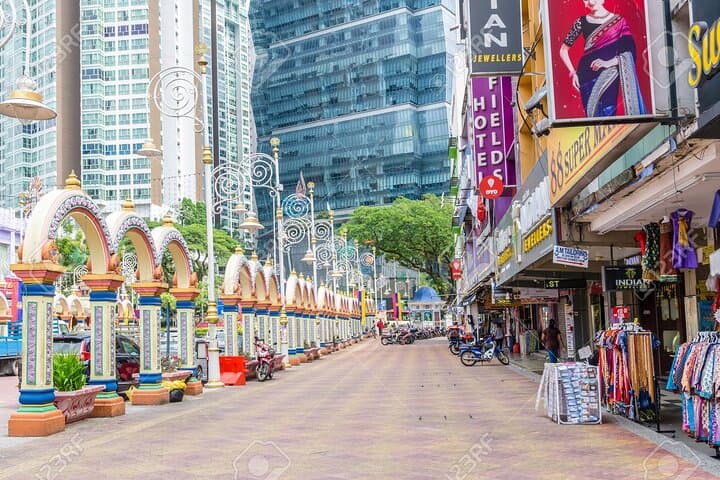
On a full-day walk you’ll move between wet and dry markets, heritage lanes, Little India and Chinatown, pausing at Hindu and Chinese temples and one of the city’s oldest mosques. The tour blends tactile urban life — piled tropical fruit, sizzling roti canai, lacquered altars — with short rides on the city’s light rail, making bigger distances manageable. Guides add local context: family trades, colonial-era architecture, and how modern Kuala Lumpur balances rapid development with street-level culture.
Practical side: expect 6–8 miles of walking distributed over seven hours on mostly flat pavement with occasional stairs at temple sites. Wear breathable shoes, carry a refillable water bottle, and dress modestly for religious stops. Plan for brief tropical showers and use public transit to reset between neighborhoods — it saves energy and adds a local rhythm to the day.
easy.
7 hours.
Comfortable for most; you should be able to walk 6–8 miles spread across a day and stand for food stops
Yes—many streets are stroller accessible and the operator notes infants can ride in prams; however expect crowded market lanes where folding a stroller is helpful.
Guides typically speak English; they can explain Malay, Chinese and Indian cultural notes, but check at booking if you need another language.
The itinerary lists several included admissions and meals (tea, snacks, lunch) and bottled water—confirm specifics with the operator on booking.
Light rain usually won’t cancel; heavy storms can prompt cancellation (operator policy allows refunds for bad weather) so bring rain protection and confirm on the morning of the tour.
Kuala Lumpur grew from a 19th-century tin-mining settlement at the confluence of the Gombak and Klang rivers and developed rapidly under colonial trade networks.
City tours impact busy markets—minimize waste by using refillable bottles and avoid single-use plastics; respect local vendors and follow guidance to protect fragile heritage sites.
SK TRAVEL CAR HIRE M SDN BHD operates guided outdoor trips and adventures with an emphasis on safety, stewardship, and memorable experiences.
You step off the monorail into a humid street where the city talks in many voices: hawkers calling, diesel buses sighing, incense smoke rising from temple doorways. The skyline pushes glass towers upward while the older masonry buildings hold their ground, and the river moves through the city like an old habit.
You step off the monorail into a humid street where the city talks in many voices: hawkers calling, diesel buses sighing, incense smoke rising from temple doorways. The skyline pushes glass towers upward while the older masonry buildings hold their ground, and the river moves through the city like an old habit.
Kuala Lumpur began as a tin-trading outpost at the confluence of the Gombak and Klang rivers in the mid-19th century; that layered history is visible in shopfronts, colonial facades and the grid of lanes around the old market. The geology that made this valley valuable — tin-rich alluvial deposits — shaped settlement patterns and the multicultural mix of Malay, Chinese and Indian communities still visible today.
On a full-day walk you’ll move between wet and dry markets, heritage lanes, Little India and Chinatown, pausing at Hindu and Chinese temples and one of the city’s oldest mosques. The tour blends tactile urban life — piled tropical fruit, sizzling roti canai, lacquered altars — with short rides on the city’s light rail, making bigger distances manageable. Guides add local context: family trades, colonial-era architecture, and how modern Kuala Lumpur balances rapid development with street-level culture.
Practical side: expect 6–8 miles of walking distributed over seven hours on mostly flat pavement with occasional stairs at temple sites. Wear breathable shoes, carry a refillable water bottle, and dress modestly for religious stops. Plan for brief tropical showers and use public transit to reset between neighborhoods — it saves energy and adds a local rhythm to the day.