THE ADVENTURE COLLECTIVE® · Independent discovery and booking for outdoor travel

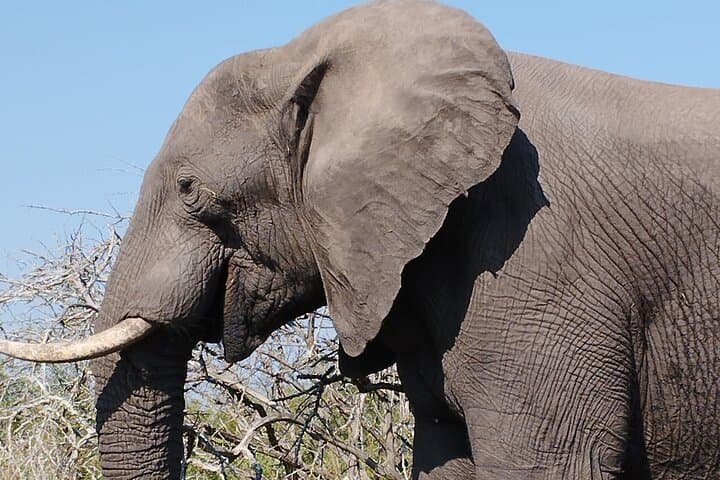
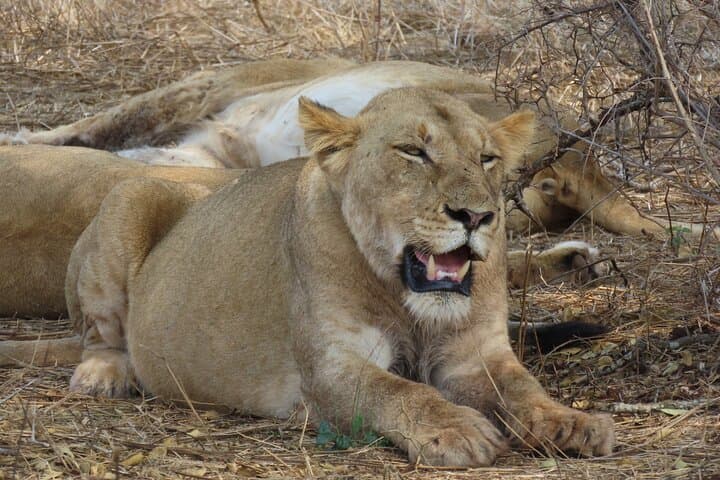
Spend a full day in Kruger National Park on an open safari vehicle, leaving from Hazyview with a local guide. Expect long game-viewing windows, a lunch stop inside the park, and opportunities to see elephants, lions, and rich birdlife.
Spend a full day in Kruger National Park on an open safari vehicle, leaving from Hazyview with a local guide. Expect long game-viewing windows, a lunch stop inside the park, and opportunities to see elephants, lions, and rich birdlife.
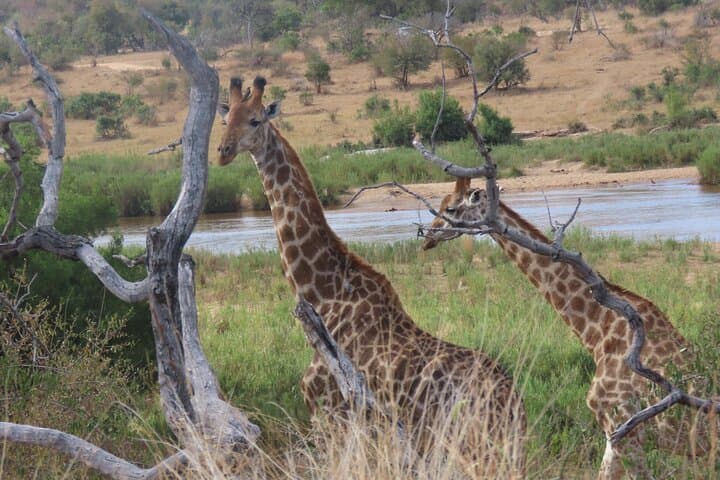
The engine hums and the dawn light pries open the canopy above the dirt road as your open safari vehicle slips into Kruger’s early-hour hush. Grass whispers around the wheel wells, and every bend feels like a question—will you catch a herd moving, a leopard padding a dry riverbed, or a pair of hornbills calling the morning? The guide’s voice is low but precise; they read spoor and birdsong with the same practiced calm.
Verified experiences and guided adventures in the surrounding area.
Operated by Nhlalala Travel · Hazyview, Mpumalanga
The engine hums and the dawn light pries open the canopy above the dirt road as your open safari vehicle slips into Kruger’s early-hour hush. Grass whispers around the wheel wells, and every bend feels like a question—will you catch a herd moving, a leopard padding a dry riverbed, or a pair of hornbills calling the morning? The guide’s voice is low but precise; they read spoor and birdsong with the same practiced calm.
Kruger National Park traces its modern roots to the late 19th and early 20th centuries, when efforts to protect wildlife in this northeast corner of South Africa evolved into one of the continent’s largest reserves. Geologically, the park sits on ancient granite and gneiss with lowveld savanna and riverine systems—habitats that shape animal movement and seasonal behavior. The surrounding Mpumalanga communities bring a living cultural layer; local guides often share insights about traditional uses of plants and the park’s role in regional livelihoods.
Practically, expect a full 9–10 hour day with hotel pickup from Hazyview, Malelane, or Marloth Park, a lunch stop at a park restaurant, and long periods of on-vehicle observation. Wear sturdy closed-toe shoes, sun protection, and layers for chilly mornings and hot afternoons. Bring binoculars and a long lens for photography; keep water handy and follow the guide’s instructions about windows, doors, and distance from wildlife. Wildlife sightings are never guaranteed, but patient drives and experienced guides dramatically improve your odds. An open-vehicle Kruger safari is equal parts patience and payoff—wildlife dares you to look closely, and the landscape rewards anyone who does.
easy.
9–10 hours.
Minimal fitness required—able to sit and step on/off a raised open vehicle several times during the day.
The full-day open vehicle safari runs about 9–10 hours, including hotel pickup and a park lunch stop.
Sighting the Big Five is possible but not guaranteed—experienced guides improve your chances by targeting known territories and animal behavior.
Pickup and transportation options are listed as wheelchair accessible, but check with the operator ahead for specific layout and assistance needs.
Infants and small children can join; infant seats are available—confirm age guidelines and safety measures when booking.
Protected in stages since the early 1900s and named for President Paul Kruger, Kruger National Park expanded into one of Africa’s largest conservation areas by the mid-20th century.
Anti-poaching efforts and visitor rules are central—stay on vehicle tracks, don’t feed wildlife, and support local conservation levies where possible.
Nhlalala Travel operates guided outdoor trips and adventures with an emphasis on safety, stewardship, and memorable experiences.
The engine hums and the dawn light pries open the canopy above the dirt road as your open safari vehicle slips into Kruger’s early-hour hush. Grass whispers around the wheel wells, and every bend feels like a question—will you catch a herd moving, a leopard padding a dry riverbed, or a pair of hornbills calling the morning? The guide’s voice is low but precise; they read spoor and birdsong with the same practiced calm.
The engine hums and the dawn light pries open the canopy above the dirt road as your open safari vehicle slips into Kruger’s early-hour hush. Grass whispers around the wheel wells, and every bend feels like a question—will you catch a herd moving, a leopard padding a dry riverbed, or a pair of hornbills calling the morning? The guide’s voice is low but precise; they read spoor and birdsong with the same practiced calm.
Kruger National Park traces its modern roots to the late 19th and early 20th centuries, when efforts to protect wildlife in this northeast corner of South Africa evolved into one of the continent’s largest reserves. Geologically, the park sits on ancient granite and gneiss with lowveld savanna and riverine systems—habitats that shape animal movement and seasonal behavior. The surrounding Mpumalanga communities bring a living cultural layer; local guides often share insights about traditional uses of plants and the park’s role in regional livelihoods.
Practically, expect a full 9–10 hour day with hotel pickup from Hazyview, Malelane, or Marloth Park, a lunch stop at a park restaurant, and long periods of on-vehicle observation. Wear sturdy closed-toe shoes, sun protection, and layers for chilly mornings and hot afternoons. Bring binoculars and a long lens for photography; keep water handy and follow the guide’s instructions about windows, doors, and distance from wildlife. Wildlife sightings are never guaranteed, but patient drives and experienced guides dramatically improve your odds. An open-vehicle Kruger safari is equal parts patience and payoff—wildlife dares you to look closely, and the landscape rewards anyone who does.