THE ADVENTURE COLLECTIVE® · Independent discovery and booking for outdoor travel

Leave Maputo before dawn for a full-day, open-backed safari into Kruger National Park via Crocodile Bridge. Expect long drives, close wildlife encounters, and a border crossing—bring your passport and sun protection.
Leave Maputo before dawn for a full-day, open-backed safari into Kruger National Park via Crocodile Bridge. Expect long drives, close wildlife encounters, and a border crossing—bring your passport and sun protection.
Before dawn your vehicle slips out of Maputo and into the low, humid light that hangs over the border—by the time you reach the Crocodile River the air feels sharper, the bush waking. An open-backed safari car becomes your theater; grasses stir, birds call, and the river seems to dare you onward as hippos and crocs hold their slow council on the banks.
Verified experiences and guided adventures in the surrounding area.
Operated by Maputo City Tours · Komatipoort, Mpumalanga
Before dawn your vehicle slips out of Maputo and into the low, humid light that hangs over the border—by the time you reach the Crocodile River the air feels sharper, the bush waking. An open-backed safari car becomes your theater; grasses stir, birds call, and the river seems to dare you onward as hippos and crocs hold their slow council on the banks.
Kruger National Park, created in the late 19th century and expanded through the 20th, protects one of southern Africa’s oldest geological foundations—ancient granite and gneiss lowveld shaped by long dry seasons and seasonal rivers. The park’s human history is layered too: Shangaan communities, colonial trade routes, and modern conservation efforts all touch this landscape.
Culturally the drive crosses into a living borderland—Komatipoort and Maputo supply the bustle and markets, while camps inside Kruger keep the hours keyed to sunrise and sunset. Guides read spoor like a language: they know where elephant herds favor marula trees and which pans hold lion at dusk.
Practically, expect a long day (pick-up early, ~13 hours total). Mornings are most productive for sightings; open vehicles give unbeatable sightlines but offer no shelter from sun or sudden sprays of dust. Bring your passport for the border crossing, sun protection, binoculars, and a camera with a zoom lens. Stay patient—Kruger rewards slow attention: a single river crossing or a grazing herd can stretch into a highlight-packed hour. The trip is low-impact physically but high on wildlife immersion and photographic opportunity.
easy.
13 hours.
No special fitness required beyond the ability to sit for long periods; short guided walks are uncommon and optional.
Yes—this tour crosses the international border; bring a valid passport and any required visas or entry documents.
Kruger has dense wildlife, and some groups see the Big Five in a day, but sightings depend on luck, season, and animal movements—mornings and late afternoons are your best windows.
Light lunch and bottled water are included; carry any personal snacks or specialty dietary items you need.
The tour is physically easy, but long hours and border procedures mean it’s best for older children who can tolerate long vehicle days; infants often must sit on laps.
Kruger was established in the late 1800s and expanded into one of Africa’s largest reserves; its boundaries reflect colonial-era land policies and modern conservation priorities.
Staying on designated roads, following guide instructions, and minimizing noise helps protect wildlife and supports anti-poaching efforts in the park.
Maputo City Tours operates guided outdoor trips and adventures with an emphasis on safety, stewardship, and memorable experiences.

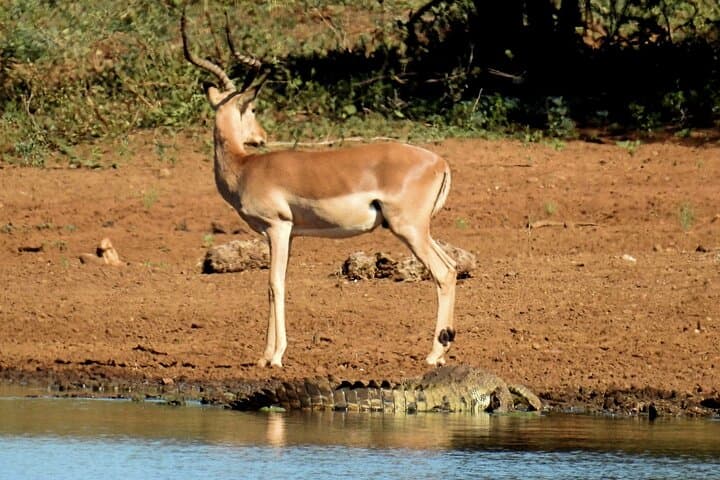
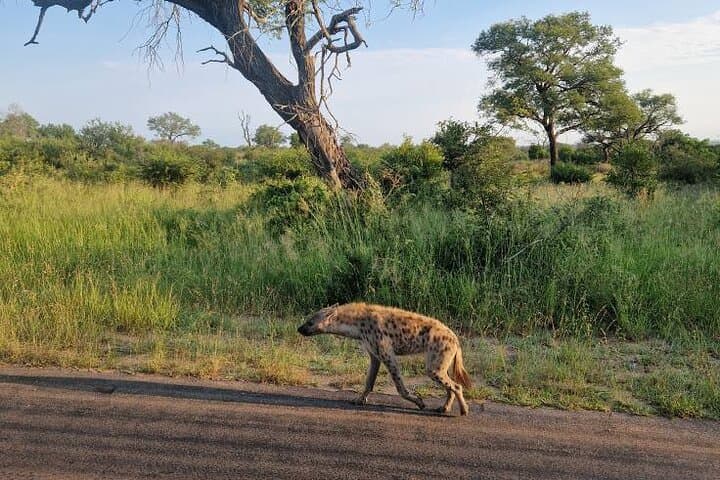
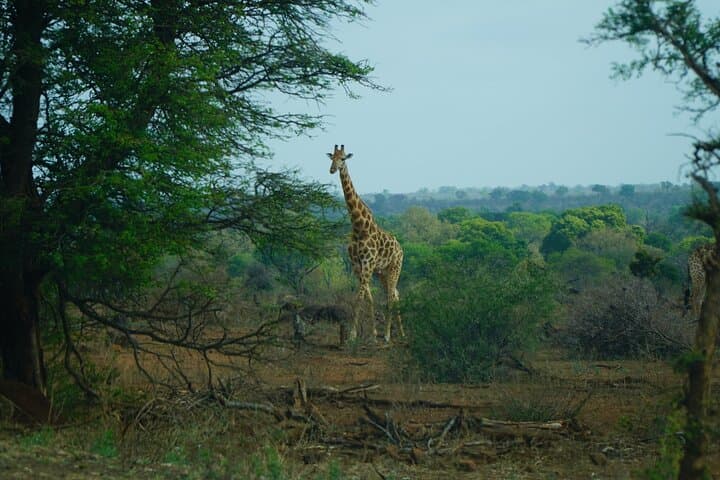
Before dawn your vehicle slips out of Maputo and into the low, humid light that hangs over the border—by the time you reach the Crocodile River the air feels sharper, the bush waking. An open-backed safari car becomes your theater; grasses stir, birds call, and the river seems to dare you onward as hippos and crocs hold their slow council on the banks.
Before dawn your vehicle slips out of Maputo and into the low, humid light that hangs over the border—by the time you reach the Crocodile River the air feels sharper, the bush waking. An open-backed safari car becomes your theater; grasses stir, birds call, and the river seems to dare you onward as hippos and crocs hold their slow council on the banks.
Kruger National Park, created in the late 19th century and expanded through the 20th, protects one of southern Africa’s oldest geological foundations—ancient granite and gneiss lowveld shaped by long dry seasons and seasonal rivers. The park’s human history is layered too: Shangaan communities, colonial trade routes, and modern conservation efforts all touch this landscape.
Culturally the drive crosses into a living borderland—Komatipoort and Maputo supply the bustle and markets, while camps inside Kruger keep the hours keyed to sunrise and sunset. Guides read spoor like a language: they know where elephant herds favor marula trees and which pans hold lion at dusk.
Practically, expect a long day (pick-up early, ~13 hours total). Mornings are most productive for sightings; open vehicles give unbeatable sightlines but offer no shelter from sun or sudden sprays of dust. Bring your passport for the border crossing, sun protection, binoculars, and a camera with a zoom lens. Stay patient—Kruger rewards slow attention: a single river crossing or a grazing herd can stretch into a highlight-packed hour. The trip is low-impact physically but high on wildlife immersion and photographic opportunity.