THE ADVENTURE COLLECTIVE® · Independent discovery and booking for outdoor travel

Head into Kruger before dawn from Hoedspruit aboard an open safari vehicle for a full-day shared drive aimed at frequent Big Five sightings. Expect long viewing stretches, expert local guides, and practical tips for comfort and safety.
Head into Kruger before dawn from Hoedspruit aboard an open safari vehicle for a full-day shared drive aimed at frequent Big Five sightings. Expect long viewing stretches, expert local guides, and practical tips for comfort and safety.
The sun is a low, burning coin when the open safari vehicle eases out of Hoedspruit and onto the gravel toward Kruger National Park. Dust lifts in a slow curtain; birds argue in thorn acacia as the guide scans a horizon of mopane trees and dry riverbeds. You feel the bush move—subtle shifts of heat, the distant rumble of elephant, a jackal’s high call—and know you’re in a landscape shaped by fire, water, and ancient geology.
Verified experiences and guided adventures in the surrounding area.
Operated by MoAfrika Tours · Hoedspruit, Limpopo
The sun is a low, burning coin when the open safari vehicle eases out of Hoedspruit and onto the gravel toward Kruger National Park. Dust lifts in a slow curtain; birds argue in thorn acacia as the guide scans a horizon of mopane trees and dry riverbeds. You feel the bush move—subtle shifts of heat, the distant rumble of elephant, a jackal’s high call—and know you’re in a landscape shaped by fire, water, and ancient geology.
Kruger’s history dates back to the late 19th century when land set aside for conservation under President Paul Kruger became one of Africa’s first protected reserves. The park’s granite outcrops and Broadleaf savanna sit atop Archean and Proterozoic formations, carving seasonal watercourses where wildlife congregates. Local communities around Hoedspruit mix Tsonga and Pedi cultural influences with a tourism economy that leans on responsible guiding.
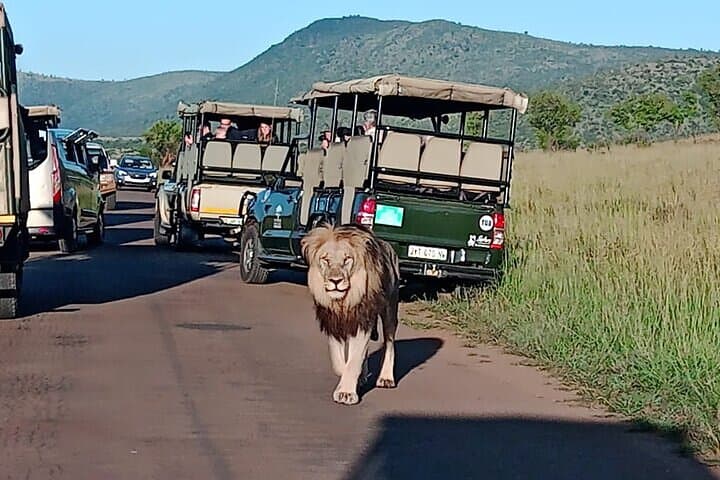
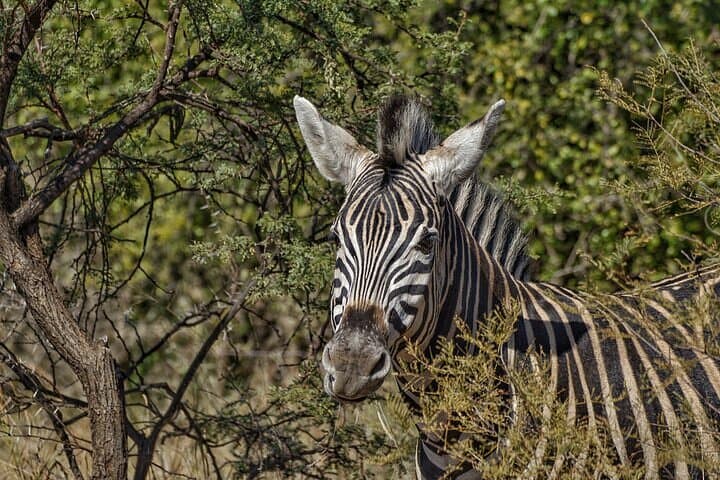
On a shared full-day drive you’ll spend long hours in an open, custom-built vehicle optimized for visibility. Guides combine radio networks, patience, and tracking skill—sightings vary but the Big Five and abundant plains game are frequent. Expect slow, stop-and-watch rhythm punctuated by short walks at designated areas and a picnic lunch.
Practical notes: start early to avoid midday heat, carry layered clothing for cool mornings and hot afternoons, use a wide-angle lens or decent zoom for photos, and follow your guide’s instructions on safe distances. Malaria precautions are advised; bring sunscreen, water, and binoculars. The day is equal parts patience and reward: quiet hours watching a herd or the sudden, electric flash of predator activity.
easy.
10 hours.
Suitable for most fitness levels—mostly seated with occasional short walks; mobility to climb into a raised safari vehicle required
Pickup is typically before sunrise to maximize viewing time—expect a very early hotel transfer time provided at booking.
Guides aim for Big Five sightings but wildlife is not guaranteed; Kruger has excellent odds over a full day, especially with experienced guides and radio networks.
Kruger is in a malaria-risk area; consult a travel clinic about prophylaxis and use insect repellent, especially in summer months.
Children and infants can join; confirm age policies with the operator and ensure child safety seating if needed.
Kruger began as a protected area in the late 19th century and was expanded into a national park in the 20th century, becoming a cornerstone of South African conservation.
Operators and the park prioritize anti-poaching efforts and community-based tourism; visitors should minimize impact by staying on roads and following guide directions.
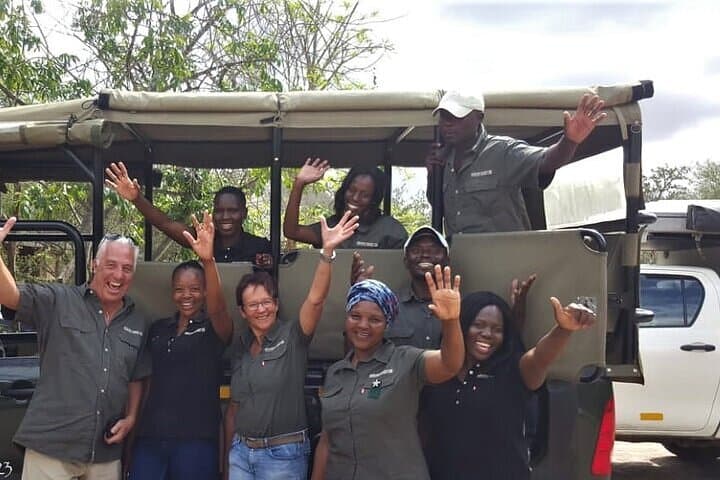
MoAfrika Tours operates guided outdoor trips and adventures with an emphasis on safety, stewardship, and memorable experiences.
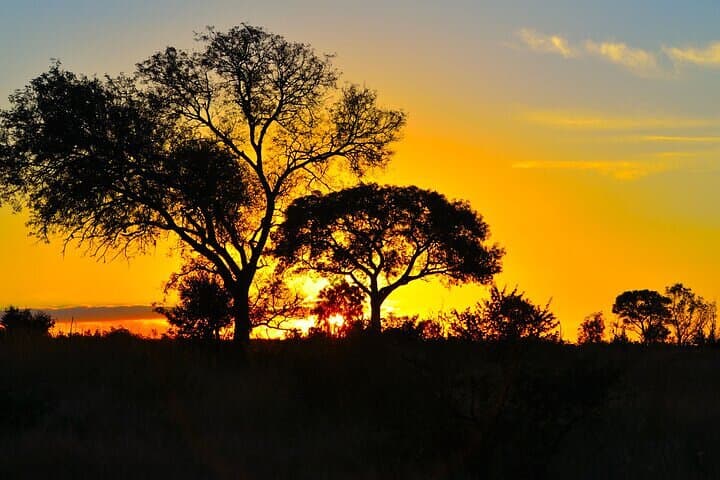
The sun is a low, burning coin when the open safari vehicle eases out of Hoedspruit and onto the gravel toward Kruger National Park. Dust lifts in a slow curtain; birds argue in thorn acacia as the guide scans a horizon of mopane trees and dry riverbeds. You feel the bush move—subtle shifts of heat, the distant rumble of elephant, a jackal’s high call—and know you’re in a landscape shaped by fire, water, and ancient geology.
The sun is a low, burning coin when the open safari vehicle eases out of Hoedspruit and onto the gravel toward Kruger National Park. Dust lifts in a slow curtain; birds argue in thorn acacia as the guide scans a horizon of mopane trees and dry riverbeds. You feel the bush move—subtle shifts of heat, the distant rumble of elephant, a jackal’s high call—and know you’re in a landscape shaped by fire, water, and ancient geology.
Kruger’s history dates back to the late 19th century when land set aside for conservation under President Paul Kruger became one of Africa’s first protected reserves. The park’s granite outcrops and Broadleaf savanna sit atop Archean and Proterozoic formations, carving seasonal watercourses where wildlife congregates. Local communities around Hoedspruit mix Tsonga and Pedi cultural influences with a tourism economy that leans on responsible guiding.
On a shared full-day drive you’ll spend long hours in an open, custom-built vehicle optimized for visibility. Guides combine radio networks, patience, and tracking skill—sightings vary but the Big Five and abundant plains game are frequent. Expect slow, stop-and-watch rhythm punctuated by short walks at designated areas and a picnic lunch.
Practical notes: start early to avoid midday heat, carry layered clothing for cool mornings and hot afternoons, use a wide-angle lens or decent zoom for photos, and follow your guide’s instructions on safe distances. Malaria precautions are advised; bring sunscreen, water, and binoculars. The day is equal parts patience and reward: quiet hours watching a herd or the sudden, electric flash of predator activity.