THE ADVENTURE COLLECTIVE® · Independent discovery and booking for outdoor travel

Spend a full day inside Kruger National Park in an open safari vehicle, tracking big game and learning from experienced field guides. This full-day trip blends geology, wildlife, and local history with practical advice on what to bring and expect.
Spend a full day inside Kruger National Park in an open safari vehicle, tracking big game and learning from experienced field guides. This full-day trip blends geology, wildlife, and local history with practical advice on what to bring and expect.
You step into an open safari vehicle as the low sun ignites the grasses—dust lifts, the call of a Fish Eagle cuts the air, and the bush begins to move. For a full day inside Kruger National Park, the landscape becomes both stage and teacher: koppies (rocky hills) punctuate savanna, seasonal pans glint with birdlife, and termite mounds stand like small, ancient architecture.
Verified experiences and guided adventures in the surrounding area.
Operated by GAP Tours Transfers · Hazyview, Mpumalanga
You step into an open safari vehicle as the low sun ignites the grasses—dust lifts, the call of a Fish Eagle cuts the air, and the bush begins to move. For a full day inside Kruger National Park, the landscape becomes both stage and teacher: koppies (rocky hills) punctuate savanna, seasonal pans glint with birdlife, and termite mounds stand like small, ancient architecture.
Kruger is South Africa’s flagship reserve, carved from varied geology that ranges from granite outcrops to ancient basalt flows. Human presence here spans Stone Age sites and San rock art; later, colonial-era and indigenous histories shaped wildlife management and conservation practice that persist today. Guides mix natural history with cultural notes—why certain trees are used for medicines, or where early hunters left traces—so a game drive is as much an interpretive walk as a wildlife viewing.
Expect long, attentive hours: sightings depend on animal movements more than schedule. Open vehicles let you smell the sun-warmed grass and hear the bush—an intimacy closed cars rarely give—while closed, air-conditioned vehicles are an available alternative for young children or very hot days.
Practical guidance: bring a hat, layered clothing for early chills and midday heat, and binoculars for distant plains sightings. Conservation and park fees apply; carry required ID or passport and confirm pickup details with your operator. Plan for minimal walking from the vehicle—most prime viewing happens roadside—and maintain quiet to improve chances of seeing skittish species. Hydrate, protect from sun, and let a knowledgeable guide lead you to the Park’s best moments.
easy.
10 hours.
Light fitness required; able to sit for several hours and manage short, optional walks from the vehicle
The experience runs about 10 hours, typically including morning and afternoon game drive periods with a break for lunch.
Infants (0–3) are not permitted on open safari vehicles; closed air-conditioned vehicles can be requested for families with babies and may incur extra park fees.
Entrance/conservation fees are not always included and vary by nationality and age—confirm with the operator and prepare ID or passports to pay on booking or entry.
Guides maximize sighting opportunities, but wildlife is wild—sightings depend on seasons and animal movement; Kruger offers good odds but not guarantees.
Kruger has archaeological sites and San rock paintings alongside protected colonial-era landscapes; these human traces are interpreted alongside natural history on guided drives.
Kruger operates under strict conservation and anti-poaching measures; visitors should follow park rules, avoid feeding wildlife, and minimize waste to reduce impact.
GAP Tours Transfers operates guided outdoor trips and adventures with an emphasis on safety, stewardship, and memorable experiences.
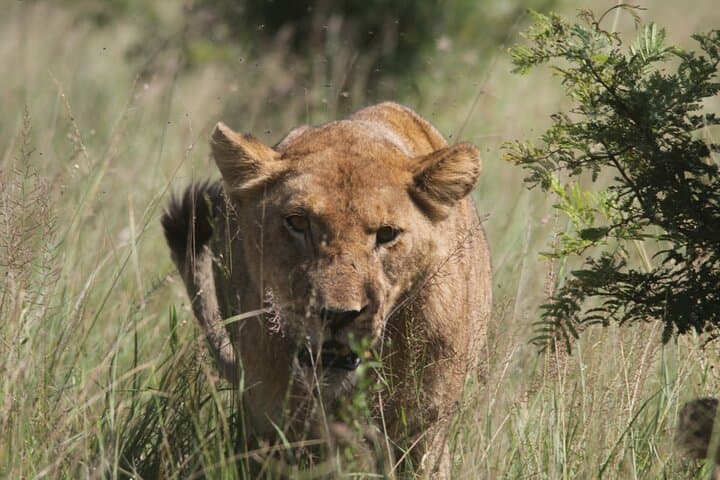
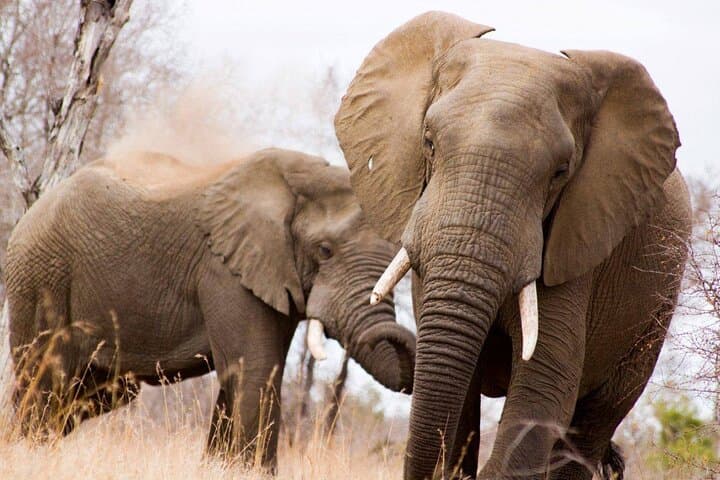
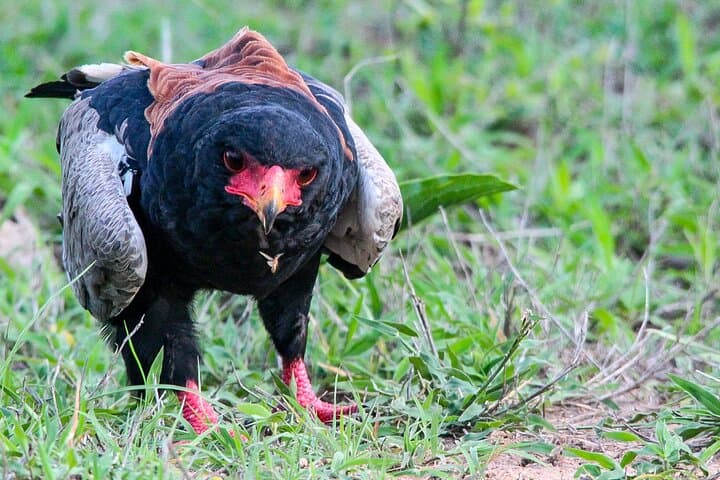
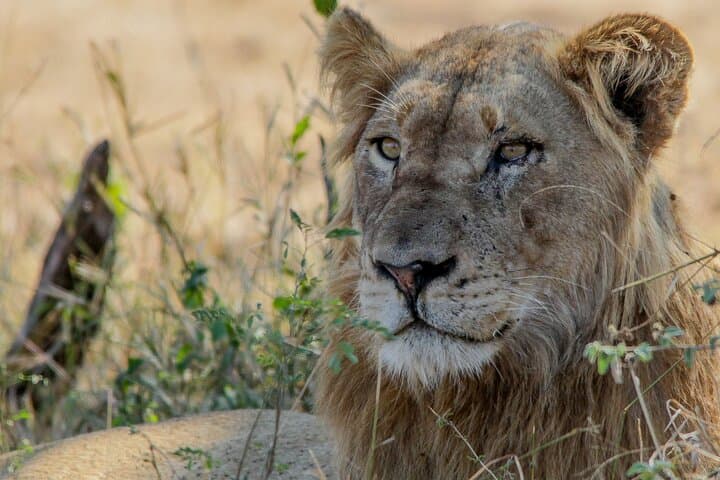
You step into an open safari vehicle as the low sun ignites the grasses—dust lifts, the call of a Fish Eagle cuts the air, and the bush begins to move. For a full day inside Kruger National Park, the landscape becomes both stage and teacher: koppies (rocky hills) punctuate savanna, seasonal pans glint with birdlife, and termite mounds stand like small, ancient architecture.
You step into an open safari vehicle as the low sun ignites the grasses—dust lifts, the call of a Fish Eagle cuts the air, and the bush begins to move. For a full day inside Kruger National Park, the landscape becomes both stage and teacher: koppies (rocky hills) punctuate savanna, seasonal pans glint with birdlife, and termite mounds stand like small, ancient architecture.
Kruger is South Africa’s flagship reserve, carved from varied geology that ranges from granite outcrops to ancient basalt flows. Human presence here spans Stone Age sites and San rock art; later, colonial-era and indigenous histories shaped wildlife management and conservation practice that persist today. Guides mix natural history with cultural notes—why certain trees are used for medicines, or where early hunters left traces—so a game drive is as much an interpretive walk as a wildlife viewing.
Expect long, attentive hours: sightings depend on animal movements more than schedule. Open vehicles let you smell the sun-warmed grass and hear the bush—an intimacy closed cars rarely give—while closed, air-conditioned vehicles are an available alternative for young children or very hot days.
Practical guidance: bring a hat, layered clothing for early chills and midday heat, and binoculars for distant plains sightings. Conservation and park fees apply; carry required ID or passport and confirm pickup details with your operator. Plan for minimal walking from the vehicle—most prime viewing happens roadside—and maintain quiet to improve chances of seeing skittish species. Hydrate, protect from sun, and let a knowledgeable guide lead you to the Park’s best moments.