THE ADVENTURE COLLECTIVE® · Independent discovery and booking for outdoor travel

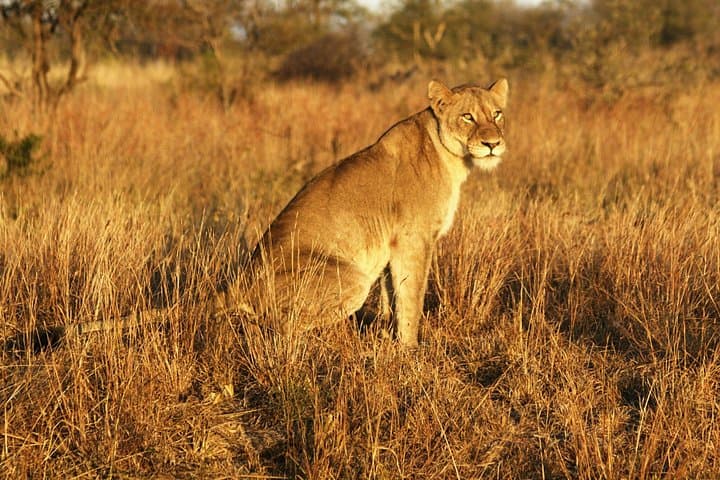
Leave Hoedspruit before sunrise for a full-day open-vehicle safari into Kruger National Park. Scan riverine corridors and mopane woodlands for the Big Five, while experienced guides manage permits, routes and sightings.
Leave Hoedspruit before sunrise for a full-day open-vehicle safari into Kruger National Park. Scan riverine corridors and mopane woodlands for the Big Five, while experienced guides manage permits, routes and sightings.
Dawn lifts off the Lowveld in a palette of ochre and gold as the open safari vehicle bumps away from Hoedspruit and into Kruger’s wide, sun-baked plains.
Verified experiences and guided adventures in the surrounding area.
Operated by AfriGuided Safaris · Hoedspruit, Limpopo
Dawn lifts off the Lowveld in a palette of ochre and gold as the open safari vehicle bumps away from Hoedspruit and into Kruger’s wide, sun-baked plains.
Winds skim the canvas roof while hornbills and lilac-breasted rollers mark the route; every stoplight moment promises a new animal silhouette against the horizon. Kruger’s history begins with late-19th-century conservation efforts that evolved into the national park formalized in the 1920s, a protected sweep of granite lowveld and volcanic ridges where the Lebombo range edges the eastern boundary.
The park’s geology — ancient granite outcrops meeting basalt flows — shapes waterholes and riverine corridors that concentrate life. Local Shangaan culture and small bushveld towns like Hoedspruit provide the human context: guiding here is a craft passed through generations and refined into modern, licensed ecotourism.
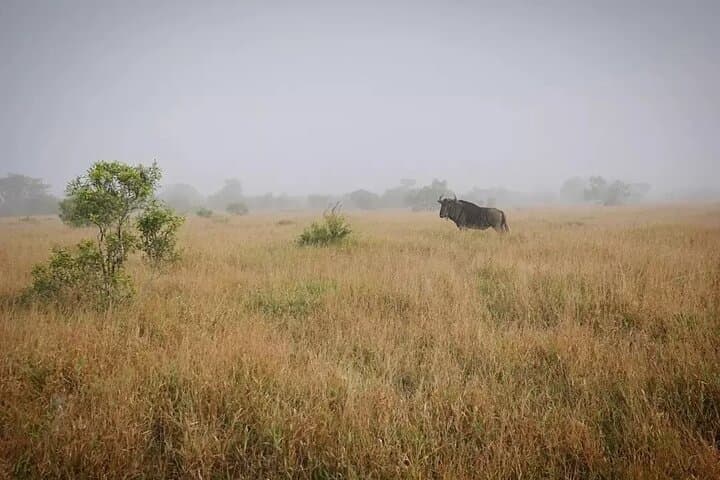
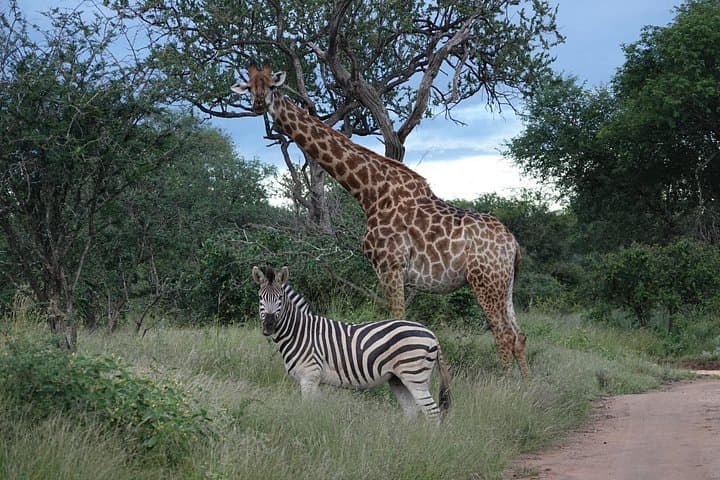
On a full-day open-vehicle safari you’ll trade long walks for long views: expect hours scanning acacia and mopane for the Big Five, plus giraffe, hippo-lined rivers and flocks of vultures tracking the thermals. Wildlife sightings are plentiful but never guaranteed; weather, season and luck all play their part.
Practical edge: the day is long (you’ll be out before sunrise and return late afternoon), so layer for temperature swings, carry sun protection and a refillable water bottle, and bring binoculars and a camera with a zoom lens. Guides handle navigation, permits and tracking — your job is observation, patience and respectful distance. Comfort stops at rest camps break the day, leaving you primed to appreciate Kruger’s scale and the quiet choreography of its wildlife.
easy.
10–12 hours.
Suitable for all fitness levels but expect long periods seated and some uneven footing during stopovers
This full-day safari runs roughly 10–12 hours with pickups pre-dawn from Hoedspruit; exact times are confirmed at booking.
Yes — Kruger National Park entrance fees are included in the tour price as stated in the inclusions.
No sighting is guaranteed; Kruger offers excellent chances but wildlife moves freely, so sightings depend on season, weather and luck.
Children aged 2 and up are permitted; note long hours and bumpy roads, and check seat/child-safety arrangements with the operator.
Kruger’s protected areas trace to late-19th-century game reserves; the region became a formal national park in the 1920s to conserve its wildlife and landscapes.
Kruger relies on strict anti-poaching measures and visitor rules to protect species; stick to vehicle tracks and follow guide directions to minimize impact.
AfriGuided Safaris operates guided outdoor trips and adventures with an emphasis on safety, stewardship, and memorable experiences.
Dawn lifts off the Lowveld in a palette of ochre and gold as the open safari vehicle bumps away from Hoedspruit and into Kruger’s wide, sun-baked plains.
Dawn lifts off the Lowveld in a palette of ochre and gold as the open safari vehicle bumps away from Hoedspruit and into Kruger’s wide, sun-baked plains.
Winds skim the canvas roof while hornbills and lilac-breasted rollers mark the route; every stoplight moment promises a new animal silhouette against the horizon. Kruger’s history begins with late-19th-century conservation efforts that evolved into the national park formalized in the 1920s, a protected sweep of granite lowveld and volcanic ridges where the Lebombo range edges the eastern boundary.
The park’s geology — ancient granite outcrops meeting basalt flows — shapes waterholes and riverine corridors that concentrate life. Local Shangaan culture and small bushveld towns like Hoedspruit provide the human context: guiding here is a craft passed through generations and refined into modern, licensed ecotourism.
On a full-day open-vehicle safari you’ll trade long walks for long views: expect hours scanning acacia and mopane for the Big Five, plus giraffe, hippo-lined rivers and flocks of vultures tracking the thermals. Wildlife sightings are plentiful but never guaranteed; weather, season and luck all play their part.
Practical edge: the day is long (you’ll be out before sunrise and return late afternoon), so layer for temperature swings, carry sun protection and a refillable water bottle, and bring binoculars and a camera with a zoom lens. Guides handle navigation, permits and tracking — your job is observation, patience and respectful distance. Comfort stops at rest camps break the day, leaving you primed to appreciate Kruger’s scale and the quiet choreography of its wildlife.