THE ADVENTURE COLLECTIVE® · Independent discovery and booking for outdoor travel

Spend a full day tracking the Big Five across Kruger’s riverine corridors and open savanna. This guide previews what to expect—wildlife, geology, cultural notes—and practical tips to make the most of a long game drive.
Spend a full day tracking the Big Five across Kruger’s riverine corridors and open savanna. This guide previews what to expect—wildlife, geology, cultural notes—and practical tips to make the most of a long game drive.
Dawn throws a pale gold over the low plains as your open 4x4 eases onto a gravel track—acacia silhouettes sharp against the sky, birds already rehearsing. The guide scans the long grass while the vehicle hums forward; dust settles behind and the river ahead dares you closer with the promise of hippos and crocodiles. A full-day safari in Kruger is equal parts patient waiting and sudden adrenaline when a bull elephant appears among the mopane trees.
Verified experiences and guided adventures in the surrounding area.
Operated by Inkosi DMC · Skukuza, Mpumalanga
Dawn throws a pale gold over the low plains as your open 4x4 eases onto a gravel track—acacia silhouettes sharp against the sky, birds already rehearsing. The guide scans the long grass while the vehicle hums forward; dust settles behind and the river ahead dares you closer with the promise of hippos and crocodiles. A full-day safari in Kruger is equal parts patient waiting and sudden adrenaline when a bull elephant appears among the mopane trees.
Kruger National Park, set aside in the late 19th century and named for President Paul Kruger, sits on some of Earth’s oldest rocks—the Kaapvaal craton’s granite and sedimentary layers—and shows that geology in broad sweeps: low ridges, riverine corridors, and open savanna. Mpumalanga (“place where the sun rises”) lends cultural context—Shangaan and Ndebele communities live around the park edges and local guides share knowledge passed down across generations.
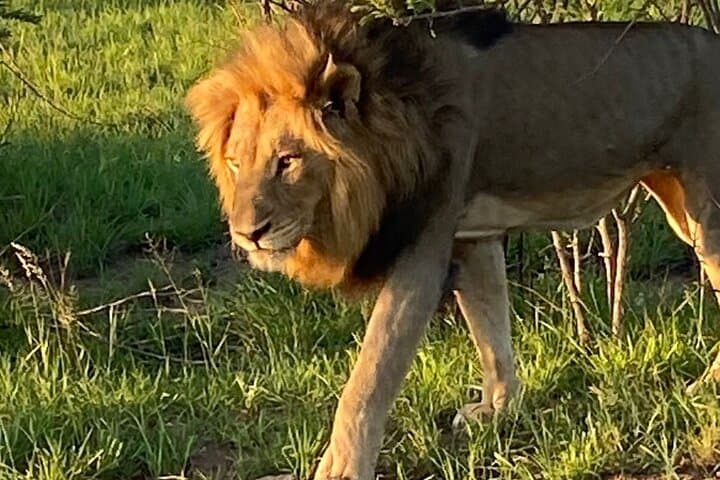
Expect to spend about 10 hours in the field on this type of full-day outing, covering dozens of kilometers on gravel roads with short roadside walks when allowed. Terrain is low-elevation (roughly 200–400 m in many southern sectors), hot through summer, cool at first light. Wildlife highlights commonly include the Big Five—elephant, lion, leopard, rhino, buffalo—plus abundant birdlife.
Practical edge: bring layered sun protection, a good pair of binoculars, and comfortable shoes for brief stretches on foot. Vehicles provide seated comfort and often bottled water; confirm whether park entry fees are included when booking. Early starts improve sighting odds; be prepared to follow the guide’s direction and to stay on designated roads to reduce impact on the landscape.
easy.
10 hours.
Low fitness required—able to sit for long periods and handle short, gentle walks on uneven ground.
A full-day guided safari typically runs about 8–10 hours, including driving between viewing areas and meal breaks—expect to be out for most of the day.
Sightings can’t be guaranteed—Kruger is a wild ecosystem—but full-day drives significantly increase chances of encountering key species compared with short excursions.
Some operators include park entry in the price while others charge it separately; confirm with the tour provider before booking.
Many vehicles and main roads are accessible, but accessibility for specific vehicles and game-viewing stops varies—ask the operator about accommodations when booking.
Kruger was formally protected in the late 19th century and named for Paul Kruger; it became South Africa’s flagship national park with a long conservation legacy.
The park maintains strict road use rules and anti-poaching efforts; travellers support conservation by staying on roads, following guides’ rules, and minimizing waste.
Inkosi DMC operates guided outdoor trips and adventures with an emphasis on safety, stewardship, and memorable experiences.
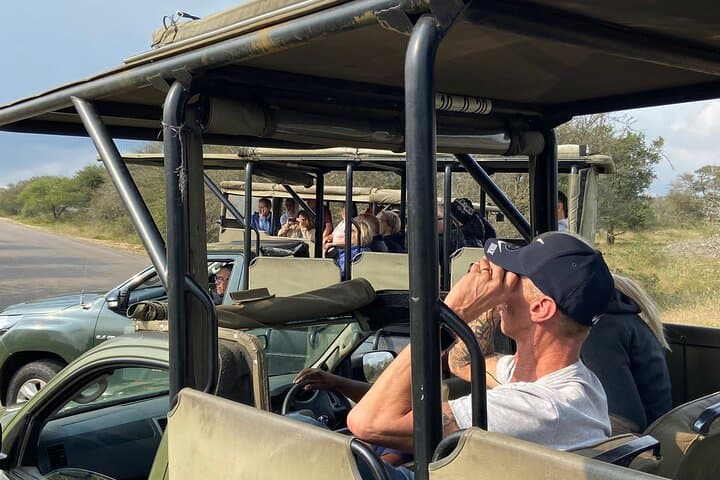
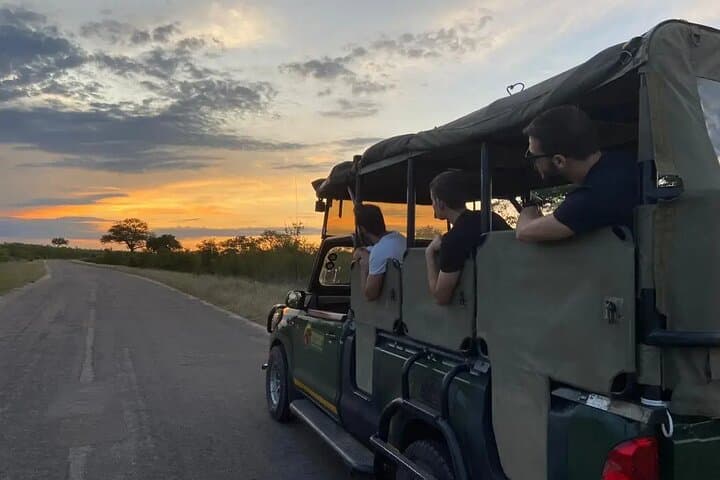
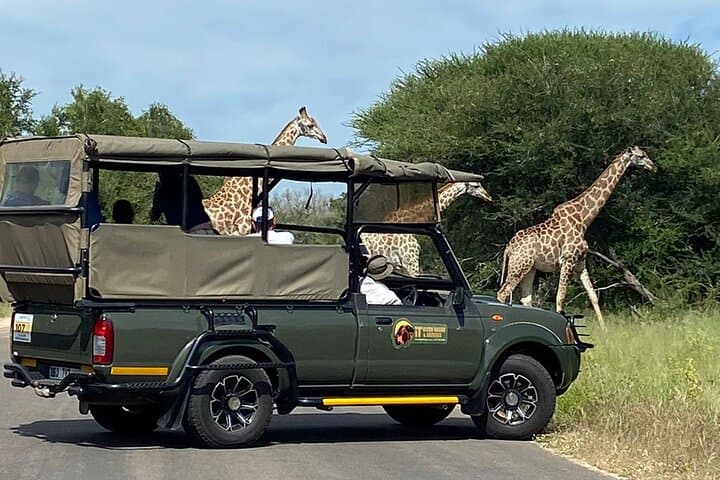
Dawn throws a pale gold over the low plains as your open 4x4 eases onto a gravel track—acacia silhouettes sharp against the sky, birds already rehearsing. The guide scans the long grass while the vehicle hums forward; dust settles behind and the river ahead dares you closer with the promise of hippos and crocodiles. A full-day safari in Kruger is equal parts patient waiting and sudden adrenaline when a bull elephant appears among the mopane trees.
Dawn throws a pale gold over the low plains as your open 4x4 eases onto a gravel track—acacia silhouettes sharp against the sky, birds already rehearsing. The guide scans the long grass while the vehicle hums forward; dust settles behind and the river ahead dares you closer with the promise of hippos and crocodiles. A full-day safari in Kruger is equal parts patient waiting and sudden adrenaline when a bull elephant appears among the mopane trees.
Kruger National Park, set aside in the late 19th century and named for President Paul Kruger, sits on some of Earth’s oldest rocks—the Kaapvaal craton’s granite and sedimentary layers—and shows that geology in broad sweeps: low ridges, riverine corridors, and open savanna. Mpumalanga (“place where the sun rises”) lends cultural context—Shangaan and Ndebele communities live around the park edges and local guides share knowledge passed down across generations.
Expect to spend about 10 hours in the field on this type of full-day outing, covering dozens of kilometers on gravel roads with short roadside walks when allowed. Terrain is low-elevation (roughly 200–400 m in many southern sectors), hot through summer, cool at first light. Wildlife highlights commonly include the Big Five—elephant, lion, leopard, rhino, buffalo—plus abundant birdlife.
Practical edge: bring layered sun protection, a good pair of binoculars, and comfortable shoes for brief stretches on foot. Vehicles provide seated comfort and often bottled water; confirm whether park entry fees are included when booking. Early starts improve sighting odds; be prepared to follow the guide’s direction and to stay on designated roads to reduce impact on the landscape.