THE ADVENTURE COLLECTIVE® · Independent discovery and booking for outdoor travel

Spend an open-vehicle day in Kruger hunting for the Big Five from sunrise coffee to Satara lunch. Expect long, quiet scans of the plains, expert rangers, and close views of wildlife in their natural rhythms.
Spend an open-vehicle day in Kruger hunting for the Big Five from sunrise coffee to Satara lunch. Expect long, quiet scans of the plains, expert rangers, and close views of wildlife in their natural rhythms.
The morning air smells of dust and coffee as the open safari vehicle eases through the gate and the plains of Kruger unfurl ahead—a hard, sunlit landscape of low grass, koppies, and spiny acacias. Guides scan the skyline, radios poised; a distant rump of elephants breaks the horizon and the day snaps into focus.
Verified experiences and guided adventures in the surrounding area.
Operated by My Africa · Hazyview, Mpumalanga
The morning air smells of dust and coffee as the open safari vehicle eases through the gate and the plains of Kruger unfurl ahead—a hard, sunlit landscape of low grass, koppies, and spiny acacias. Guides scan the skyline, radios poised; a distant rump of elephants breaks the horizon and the day snaps into focus.
Kruger’s story is layered: protected from the late 19th century under President Paul Kruger and formally declared a national park in 1926, its geology is an ancient mix of granite and gneiss broken by sandstone lowlands and riverine corridors. The cultural imprint of local communities threads the edge of the park, where traditional spoor and modern conservation meet.
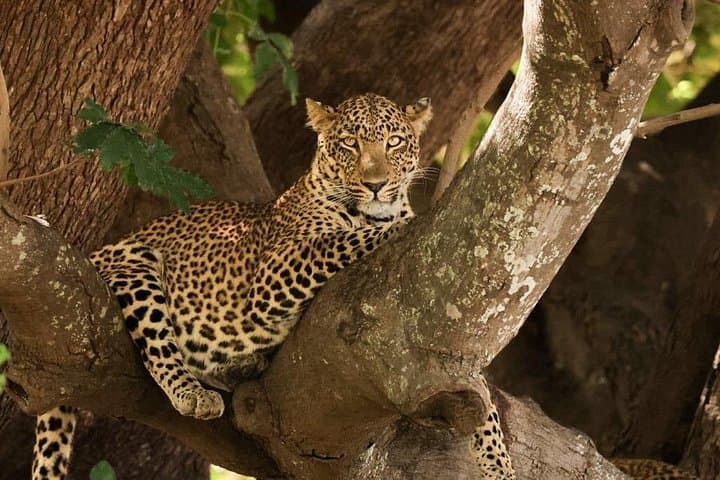
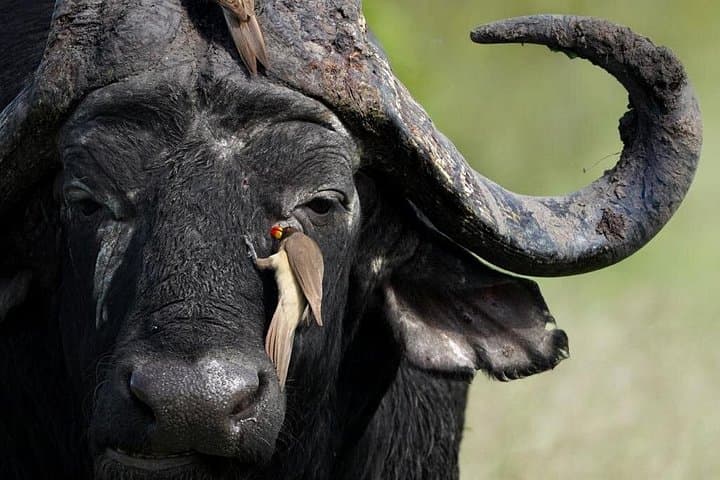
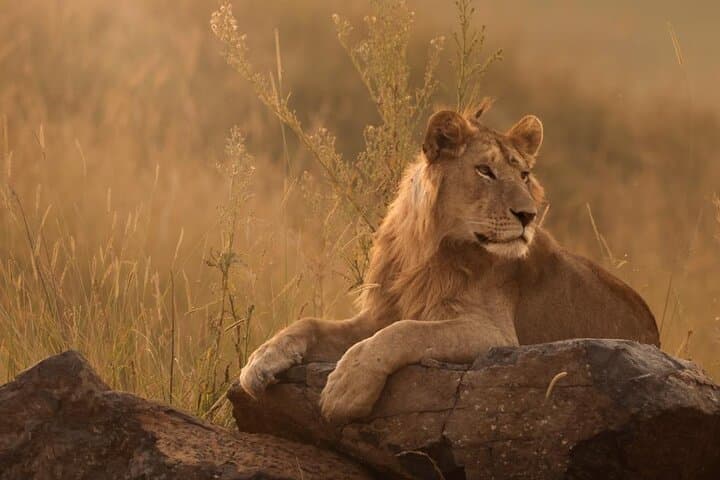
A full-day safari centered on Satara gives sustained access to open savanna hunting grounds and reliable waterholes where lions, buffalo, elephant, leopard, and rhino—commonly called the Big Five—gather, especially in the dry months. Guides translate spoor, calls, and behavior into context while you photograph, listen, and learn.
Practical note: expect an 11-hour day including travel; dress in layers, bring a sun hat and binoculars, and keep water handy. Vehicles are open-sided—camera protection and a steady stance matter. The tour’s sunrise coffee stop and lunch at Satara main camp are built into the rhythm of the day, offering both comfort and uninterrupted wildlife time.
This is a watchful, patient experience: long stretches of quiet punctuated by sudden movement. Respect distance, follow your ranger’s instructions, and you’ll leave with clearer sightlines to Kruger’s wild heart and a deeper sense of its conservation challenges.
easy.
11 hours (including transport).
Suitable for most fitness levels; you should be able to sit on an open vehicle for extended periods and manage short walks at rest camps.
The tour targets the Big Five—lion, elephant, buffalo, leopard, and rhino—plus giraffe, zebra, hyena, and many bird species; sightings are never guaranteed but increased in the dry season.
The experience is approximately 11 hours total—this includes park entry, a sunrise coffee stop, game drives, lunch at Satara, and return travel.
Yes—small groups and open vehicles accommodate families; however, participants should be able to climb into the vehicle and remain seated for long periods; infant seats are sometimes available—confirm when booking.
Typical inclusions are qualified safari guide, open safari vehicle, bottled water, and tea/coffee at the sunrise stop; lunch at Satara may be included depending on the operator—confirm before booking.
Conservation in Kruger began under late 19th‑century protection and the park was formally declared a national park in 1926, growing into one of Africa’s oldest reserves.
Kruger balances tourism with anti‑poaching and community programs; staying on roads, obeying guides, and minimizing noise helps protect wildlife and habitats.
My Africa operates guided outdoor trips and adventures with an emphasis on safety, stewardship, and memorable experiences.
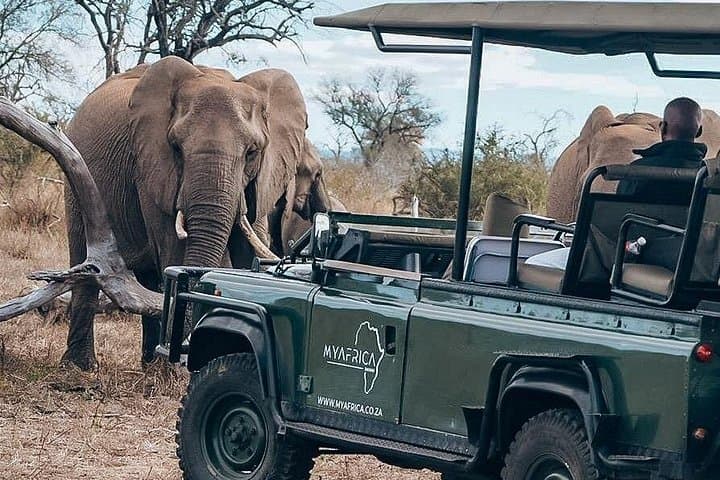
The morning air smells of dust and coffee as the open safari vehicle eases through the gate and the plains of Kruger unfurl ahead—a hard, sunlit landscape of low grass, koppies, and spiny acacias. Guides scan the skyline, radios poised; a distant rump of elephants breaks the horizon and the day snaps into focus.
The morning air smells of dust and coffee as the open safari vehicle eases through the gate and the plains of Kruger unfurl ahead—a hard, sunlit landscape of low grass, koppies, and spiny acacias. Guides scan the skyline, radios poised; a distant rump of elephants breaks the horizon and the day snaps into focus.
Kruger’s story is layered: protected from the late 19th century under President Paul Kruger and formally declared a national park in 1926, its geology is an ancient mix of granite and gneiss broken by sandstone lowlands and riverine corridors. The cultural imprint of local communities threads the edge of the park, where traditional spoor and modern conservation meet.
A full-day safari centered on Satara gives sustained access to open savanna hunting grounds and reliable waterholes where lions, buffalo, elephant, leopard, and rhino—commonly called the Big Five—gather, especially in the dry months. Guides translate spoor, calls, and behavior into context while you photograph, listen, and learn.
Practical note: expect an 11-hour day including travel; dress in layers, bring a sun hat and binoculars, and keep water handy. Vehicles are open-sided—camera protection and a steady stance matter. The tour’s sunrise coffee stop and lunch at Satara main camp are built into the rhythm of the day, offering both comfort and uninterrupted wildlife time.
This is a watchful, patient experience: long stretches of quiet punctuated by sudden movement. Respect distance, follow your ranger’s instructions, and you’ll leave with clearer sightlines to Kruger’s wild heart and a deeper sense of its conservation challenges.