THE ADVENTURE COLLECTIVE® · Independent discovery and booking for outdoor travel

A full-day open-vehicle safari from Marloth Park into Kruger National Park that focuses on the Big Five, birding, and riverine wildlife viewing. Expect an eight-hour day with guided interpretation, designated breakfast and lunch stops, and multiple wildlife-spotting opportunities.
A full-day open-vehicle safari from Marloth Park into Kruger National Park that focuses on the Big Five, birding, and riverine wildlife viewing. Expect an eight-hour day with guided interpretation, designated breakfast and lunch stops, and multiple wildlife-spotting opportunities.
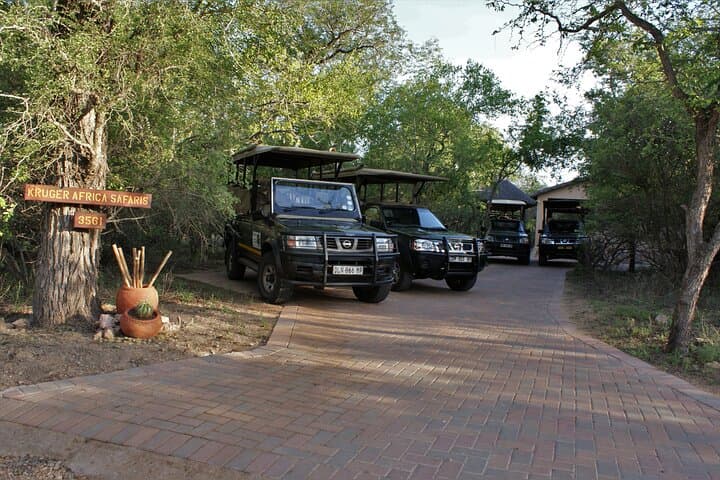
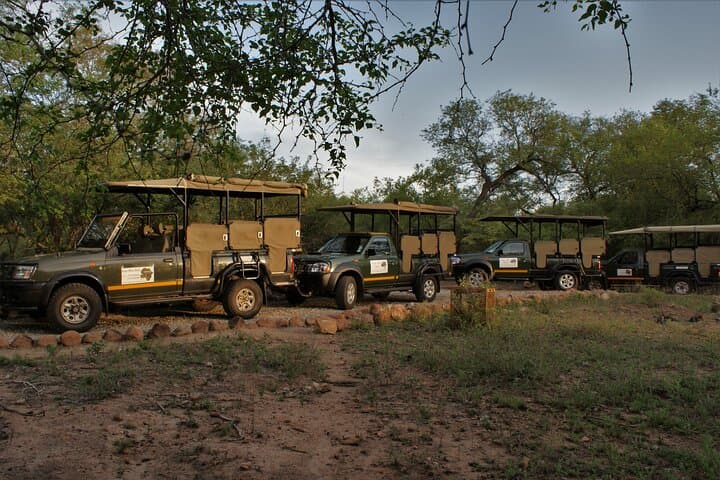
Morning light slices through mopane and acacia as the open safari vehicle idles on the dusty track leaving Marloth Park; the Sabi River murmurs in the distance and a herd of impala punctuates the horizon.
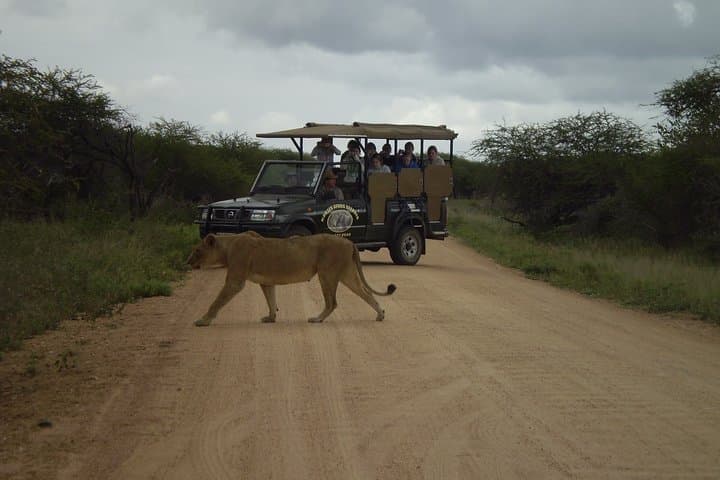
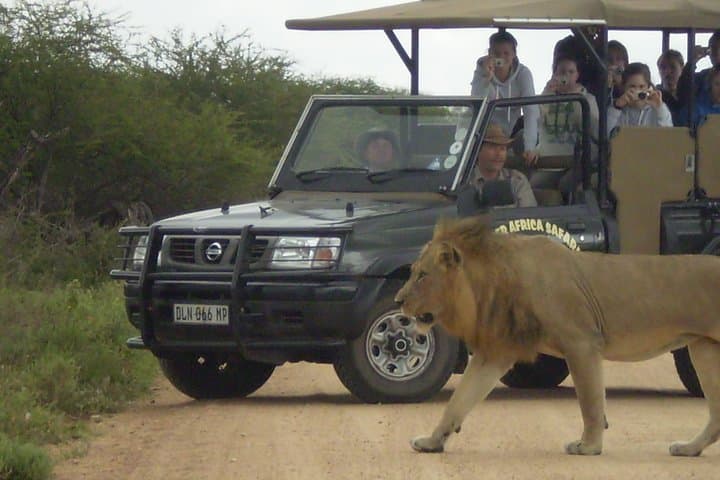
Guides versed in spoor and birdcalls steer you into Kruger National Park for a full-day game drive, scanning riverine thickets and grassy plains where lions, elephants, buffalo, leopards and rhino—often called the Big Five—move in seasonal patterns.
Kruger’s landscapes record ancient geology: granite and basalt outcrops, low plateaus cut by rivers feeding the Crocodile and Sabi systems. Human history runs similarly deep—Tsonga and Swazi communities traded and lived here long before Kruger was protected, and the park was formally established in the early 20th century.
Expect a day paced by sightings: slow, focused observation punctuated by quick sprints of movement as predators or herds appear. Stops for birding and tree identification highlight regional species such as lilac-breasted rollers and fever trees. Breakfast and lunch are taken near Lower Sabi with river views; there are also picnic spots at camp sites if you prefer a brisk outdoor meal.
Practical notes: the shared tour is roughly eight hours. Bring binoculars, a charged camera with a telephoto lens, layered clothing for cool mornings, water and snacks, and your passport for park entry. Vehicles are open but shaded—follow guide briefings and remain seated during close encounters. Early departures and late afternoons yield the best predator activity; respect park rules and leave no trace to protect Kruger’s wild balance.
Verified experiences and guided adventures in the surrounding area.
Operated by Gamedrives from Marlothpark · Marloth Park, Mpumalanga
Morning light slices through mopane and acacia as the open safari vehicle idles on the dusty track leaving Marloth Park; the Sabi River murmurs in the distance and a herd of impala punctuates the horizon.
Guides versed in spoor and birdcalls steer you into Kruger National Park for a full-day game drive, scanning riverine thickets and grassy plains where lions, elephants, buffalo, leopards and rhino—often called the Big Five—move in seasonal patterns.
Kruger’s landscapes record ancient geology: granite and basalt outcrops, low plateaus cut by rivers feeding the Crocodile and Sabi systems. Human history runs similarly deep—Tsonga and Swazi communities traded and lived here long before Kruger was protected, and the park was formally established in the early 20th century.
Expect a day paced by sightings: slow, focused observation punctuated by quick sprints of movement as predators or herds appear. Stops for birding and tree identification highlight regional species such as lilac-breasted rollers and fever trees. Breakfast and lunch are taken near Lower Sabi with river views; there are also picnic spots at camp sites if you prefer a brisk outdoor meal.
Practical notes: the shared tour is roughly eight hours. Bring binoculars, a charged camera with a telephoto lens, layered clothing for cool mornings, water and snacks, and your passport for park entry. Vehicles are open but shaded—follow guide briefings and remain seated during close encounters. Early departures and late afternoons yield the best predator activity; respect park rules and leave no trace to protect Kruger’s wild balance.
easy.
8 hours.
Suitable for most fitness levels; the day is largely seated with short walks at stops.
The shared tour runs about eight hours including drives, wildlife stops, and breakfast/lunch breaks near Lower Sabi.
Guides focus on areas where Big Five species are known to appear, but sightings cannot be guaranteed—Kruger is wild and sightings vary by day.
Breakfast and lunch stops are planned (own account for meals at Lower Sabi); there are also picnic options if you bring your own snacks.
Carry your passport or national ID for park entry and any requested booking verification at pickup.
Conservation in this landscape dates to the late 19th century, with the area officially incorporated into Kruger National Park in the early 20th century.
Kruger relies on anti-poaching efforts and community partnerships; follow park rules and avoid disturbing wildlife to support long-term protection.
Gamedrives from Marlothpark operates guided outdoor trips and adventures with an emphasis on safety, stewardship, and memorable experiences.
Morning light slices through mopane and acacia as the open safari vehicle idles on the dusty track leaving Marloth Park; the Sabi River murmurs in the distance and a herd of impala punctuates the horizon.
Guides versed in spoor and birdcalls steer you into Kruger National Park for a full-day game drive, scanning riverine thickets and grassy plains where lions, elephants, buffalo, leopards and rhino—often called the Big Five—move in seasonal patterns.
Kruger’s landscapes record ancient geology: granite and basalt outcrops, low plateaus cut by rivers feeding the Crocodile and Sabi systems. Human history runs similarly deep—Tsonga and Swazi communities traded and lived here long before Kruger was protected, and the park was formally established in the early 20th century.
Expect a day paced by sightings: slow, focused observation punctuated by quick sprints of movement as predators or herds appear. Stops for birding and tree identification highlight regional species such as lilac-breasted rollers and fever trees. Breakfast and lunch are taken near Lower Sabi with river views; there are also picnic spots at camp sites if you prefer a brisk outdoor meal.
Practical notes: the shared tour is roughly eight hours. Bring binoculars, a charged camera with a telephoto lens, layered clothing for cool mornings, water and snacks, and your passport for park entry. Vehicles are open but shaded—follow guide briefings and remain seated during close encounters. Early departures and late afternoons yield the best predator activity; respect park rules and leave no trace to protect Kruger’s wild balance.
Morning light slices through mopane and acacia as the open safari vehicle idles on the dusty track leaving Marloth Park; the Sabi River murmurs in the distance and a herd of impala punctuates the horizon.
Guides versed in spoor and birdcalls steer you into Kruger National Park for a full-day game drive, scanning riverine thickets and grassy plains where lions, elephants, buffalo, leopards and rhino—often called the Big Five—move in seasonal patterns.
Kruger’s landscapes record ancient geology: granite and basalt outcrops, low plateaus cut by rivers feeding the Crocodile and Sabi systems. Human history runs similarly deep—Tsonga and Swazi communities traded and lived here long before Kruger was protected, and the park was formally established in the early 20th century.
Expect a day paced by sightings: slow, focused observation punctuated by quick sprints of movement as predators or herds appear. Stops for birding and tree identification highlight regional species such as lilac-breasted rollers and fever trees. Breakfast and lunch are taken near Lower Sabi with river views; there are also picnic spots at camp sites if you prefer a brisk outdoor meal.
Practical notes: the shared tour is roughly eight hours. Bring binoculars, a charged camera with a telephoto lens, layered clothing for cool mornings, water and snacks, and your passport for park entry. Vehicles are open but shaded—follow guide briefings and remain seated during close encounters. Early departures and late afternoons yield the best predator activity; respect park rules and leave no trace to protect Kruger’s wild balance.