THE ADVENTURE COLLECTIVE® · Independent discovery and booking for outdoor travel

Spend a full day tracking wildlife across Kruger National Park from Hazyview. Expert guides, open-air vehicles, and long golden hours increase your odds of spotting the Big Five while teaching tracking and local ecology.
Spend a full day tracking wildlife across Kruger National Park from Hazyview. Expert guides, open-air vehicles, and long golden hours increase your odds of spotting the Big Five while teaching tracking and local ecology.
The open safari vehicle hums to life as dawn pulls the heat from the scrub; grasses whisper and the first sun threads gold between fever trees. Guests step aboard near Hazyview and move through Mpumalanga’s lowveld toward Kruger National Park, where every bend in the track can reveal a herd of elephants or a lone lion prowling the horizon.
Verified experiences and guided adventures in the surrounding area.
Operated by Tourgy Tourz · Hazyview, Mpumalanga
The open safari vehicle hums to life as dawn pulls the heat from the scrub; grasses whisper and the first sun threads gold between fever trees. Guests step aboard near Hazyview and move through Mpumalanga’s lowveld toward Kruger National Park, where every bend in the track can reveal a herd of elephants or a lone lion prowling the horizon.
Kruger, created in the late 19th century and expanded across varied geology of basalt plains and granite outcrops, holds one of Africa’s longest-running conservation histories. Cultural traces and archaeological sites—like Iron Age settlements—dot areas adjacent to the park and remind visitors that this landscape has been shaped by people as well as wildlife.
The day is a study in contrasts: dry riverbeds that once ran deep, kopjes offering lookout perches, and grasslands that feed a vast food web. Guides read spoor, watch bird activity, and time drives to the golden-hour when predators stir and light sharpens details on hides and horns.
Practically, a full-day drive is low-impact but long: expect 8 hours in an open-air vehicle with periodic short walks at designated stops. Bring layered clothing for morning chills and midday heat, sunscreen, and a camera with a telephoto or good binoculars. Hydrate early and often; carry snacks if you need them but follow guide instructions about wildlife-safe disposal.
A Kruger game drive is less about guarantees and more about being in the right place at the right time—patient, observant, and respectful. The park’s rhythms reward those who move slowly and look closely.
easy.
8 hours.
Suitable for most fitness levels—primarily sitting with short guided walks; mobility-friendly vehicle access available.
No operator can guarantee sightings—Kruger is a wild ecosystem—but a full-day drive maximizes time in the field and greatly improves chances.
Yes, parts of Kruger are in a malaria-risk zone; consult a travel clinic about prophylaxis and use insect repellent and protective clothing.
Many operators welcome children and provide wheelchair-accessible vehicles or pickup; check specific vehicle accessibility and age policies at booking.
Tipping is customary if you had a good experience; amounts vary but small cash tips for guides and drivers are appreciated.
Kruger began as a protected area in the late 1800s and has grown into one of Africa’s largest and longest-running reserves, with a history of both colonial-era and post-apartheid conservation developments.
The park prioritizes anti-poaching patrols, community conservation programs, and visitor education—stay on roads, pack out trash, and follow guide instructions to minimize impact.
Tourgy Tourz operates guided outdoor trips and adventures with an emphasis on safety, stewardship, and memorable experiences.
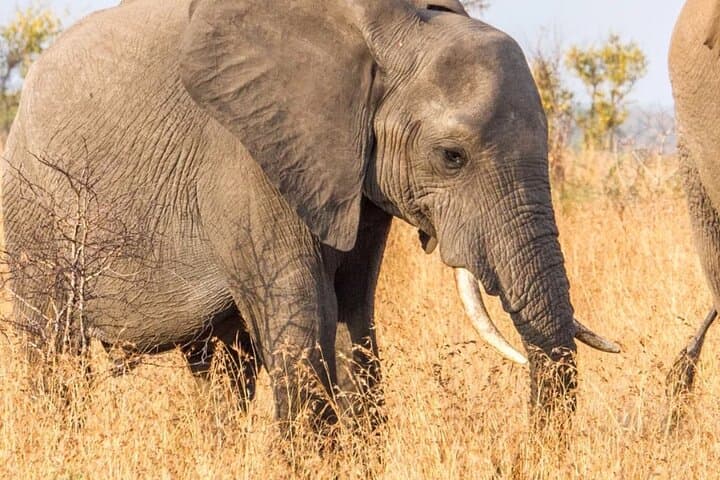


The open safari vehicle hums to life as dawn pulls the heat from the scrub; grasses whisper and the first sun threads gold between fever trees. Guests step aboard near Hazyview and move through Mpumalanga’s lowveld toward Kruger National Park, where every bend in the track can reveal a herd of elephants or a lone lion prowling the horizon.
The open safari vehicle hums to life as dawn pulls the heat from the scrub; grasses whisper and the first sun threads gold between fever trees. Guests step aboard near Hazyview and move through Mpumalanga’s lowveld toward Kruger National Park, where every bend in the track can reveal a herd of elephants or a lone lion prowling the horizon.
Kruger, created in the late 19th century and expanded across varied geology of basalt plains and granite outcrops, holds one of Africa’s longest-running conservation histories. Cultural traces and archaeological sites—like Iron Age settlements—dot areas adjacent to the park and remind visitors that this landscape has been shaped by people as well as wildlife.
The day is a study in contrasts: dry riverbeds that once ran deep, kopjes offering lookout perches, and grasslands that feed a vast food web. Guides read spoor, watch bird activity, and time drives to the golden-hour when predators stir and light sharpens details on hides and horns.
Practically, a full-day drive is low-impact but long: expect 8 hours in an open-air vehicle with periodic short walks at designated stops. Bring layered clothing for morning chills and midday heat, sunscreen, and a camera with a telephoto or good binoculars. Hydrate early and often; carry snacks if you need them but follow guide instructions about wildlife-safe disposal.
A Kruger game drive is less about guarantees and more about being in the right place at the right time—patient, observant, and respectful. The park’s rhythms reward those who move slowly and look closely.