THE ADVENTURE COLLECTIVE® · Independent discovery and booking for outdoor travel

Hit three of northern Kyrgyzstan’s standout sights in one long, varied day: the ancient Burana Tower, the red spires of Konorchek Canyon and the wide, cool sweep of Issyk‑Kul. This practical guide explains what to expect and how to prepare for the terrain, culture and weather.
Hit three of northern Kyrgyzstan’s standout sights in one long, varied day: the ancient Burana Tower, the red spires of Konorchek Canyon and the wide, cool sweep of Issyk‑Kul. This practical guide explains what to expect and how to prepare for the terrain, culture and weather.
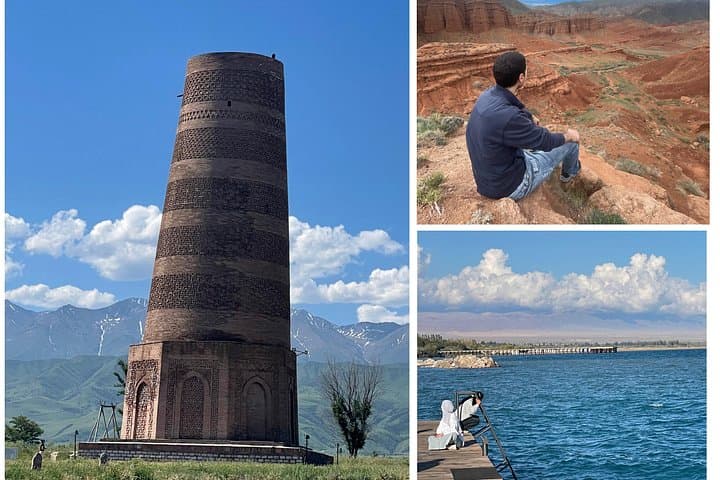
A morning in the Chüy Valley starts with the road unfurling toward the Tien Shan—wind through the window, the plain giving way to cliffs. You arrive first at Burana Tower, an 11th‑century minaret that still punctures the sky; its rough stones and surrounding balbals speak plainly of Silk Road travelers and steppe cultures.
Verified experiences and guided adventures in the surrounding area.
Operated by Magic Tours KG · Tokmok, Chüy Region
A morning in the Chüy Valley starts with the road unfurling toward the Tien Shan—wind through the window, the plain giving way to cliffs. You arrive first at Burana Tower, an 11th‑century minaret that still punctures the sky; its rough stones and surrounding balbals speak plainly of Silk Road travelers and steppe cultures.
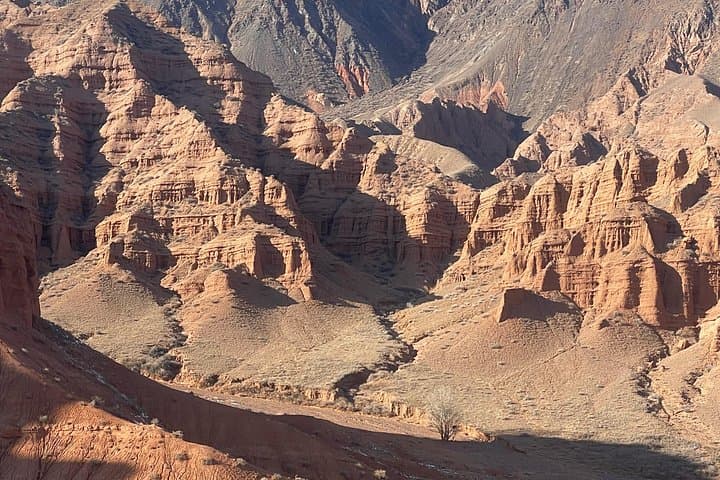
From human history to geological theatre: the drive into Boom Gorge introduces you to hard limestone and sandstone cut by the Chu River over millennia. Konorchek Canyon reads like a red sculpture garden—eolian spires, narrow slots and a dried riverbed trail that invites scrambling and short climbs. Wind finds voices here, whistling through crevices and producing eerie tones from the rock.
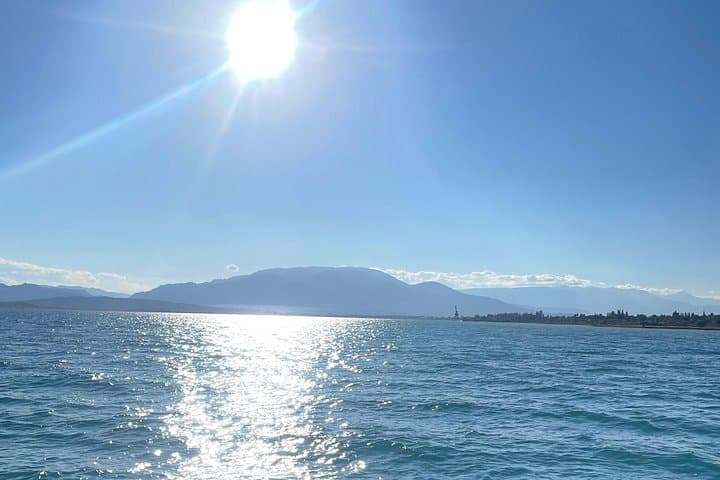
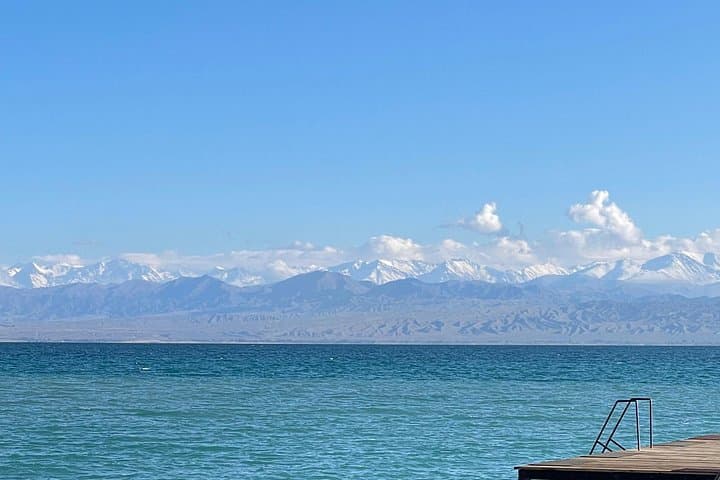
The day eases into Balykchy on Issyk‑Kul’s western shore, where the alpine lake stretches like a cool mirror beneath snowy peaks. Local culture shows in small roadside stands selling kymyz or fried samsa, and in Soviet‑era architecture that frames the modern gateway to the lake.
Practical guidance: this is a full‑day, active sightseeing loop—expect up to 10–12 hours including driving. Wear sturdy hiking shoes for rocky canyon terrain, bring layered clothing for wind and sun, and carry at least 1.5–2 liters of water. The Konorchek hike is short but uneven; a moderate fitness level makes the day comfortable. Cameras, sun protection and a light windproof are useful. Respect archaeological areas at Burana, avoid climbing fragile formations in the canyon, and time your visit to avoid the strongest midday heat for the most enjoyable experience.
moderate.
10–12 hours.
Suitable for travelers with moderate fitness able to walk uneven trails and endure long drives
The hike is short—about 1 hour one way to the main viewpoints; plan 2–3 hours round trip including stops and exploration.
Admission to Burana Tower’s archaeological site and museum is included in the tour price as described in the itinerary.
The tour includes some short hikes and driving on mountain roads; it’s not recommended for travelers with serious spinal or cardiovascular issues or for pregnant guests per provider guidance.
There’s a lakeside stop in Balykchy for photos and a short stroll—swimming time is limited on a full‑day itinerary, but you can usually dip your feet at a beach access point.
Burana Tower is a surviving minaret from the medieval city of Balasagun, a Silk Road hub; balbal stone markers nearby date to Turkic nomadic funerary traditions.
Visitor pressure can erode fragile canyon features and archaeological sites; stay on trails, avoid climbing delicate formations and support local guides who follow sustainable practices.
Magic Tours KG operates guided outdoor trips and adventures with an emphasis on safety, stewardship, and memorable experiences.
A morning in the Chüy Valley starts with the road unfurling toward the Tien Shan—wind through the window, the plain giving way to cliffs. You arrive first at Burana Tower, an 11th‑century minaret that still punctures the sky; its rough stones and surrounding balbals speak plainly of Silk Road travelers and steppe cultures.
A morning in the Chüy Valley starts with the road unfurling toward the Tien Shan—wind through the window, the plain giving way to cliffs. You arrive first at Burana Tower, an 11th‑century minaret that still punctures the sky; its rough stones and surrounding balbals speak plainly of Silk Road travelers and steppe cultures.
From human history to geological theatre: the drive into Boom Gorge introduces you to hard limestone and sandstone cut by the Chu River over millennia. Konorchek Canyon reads like a red sculpture garden—eolian spires, narrow slots and a dried riverbed trail that invites scrambling and short climbs. Wind finds voices here, whistling through crevices and producing eerie tones from the rock.
The day eases into Balykchy on Issyk‑Kul’s western shore, where the alpine lake stretches like a cool mirror beneath snowy peaks. Local culture shows in small roadside stands selling kymyz or fried samsa, and in Soviet‑era architecture that frames the modern gateway to the lake.
Practical guidance: this is a full‑day, active sightseeing loop—expect up to 10–12 hours including driving. Wear sturdy hiking shoes for rocky canyon terrain, bring layered clothing for wind and sun, and carry at least 1.5–2 liters of water. The Konorchek hike is short but uneven; a moderate fitness level makes the day comfortable. Cameras, sun protection and a light windproof are useful. Respect archaeological areas at Burana, avoid climbing fragile formations in the canyon, and time your visit to avoid the strongest midday heat for the most enjoyable experience.