THE ADVENTURE COLLECTIVE® · Independent discovery and booking for outdoor travel

A single, full day that stitches together Konorchek’s red canyons, the historic Burana Tower, and the sweeping shores of Issyk‑Kul. Expect short hikes, cultural stops, and long drives through Tien Shan scenery.
A single, full day that stitches together Konorchek’s red canyons, the historic Burana Tower, and the sweeping shores of Issyk‑Kul. Expect short hikes, cultural stops, and long drives through Tien Shan scenery.
The day opens on a road that climbs out of Bishkek and into the hollow of the Tien Shan’s foothills, windows framing raw cliffs and sudden rivers.
Verified experiences and guided adventures in the surrounding area.
Operated by BestTravel.go.kg · Bishkek, Chuy Region
The day opens on a road that climbs out of Bishkek and into the hollow of the Tien Shan’s foothills, windows framing raw cliffs and sudden rivers.
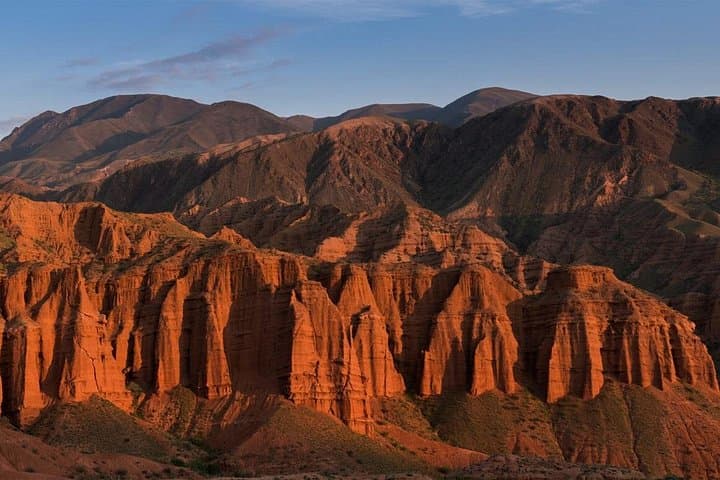
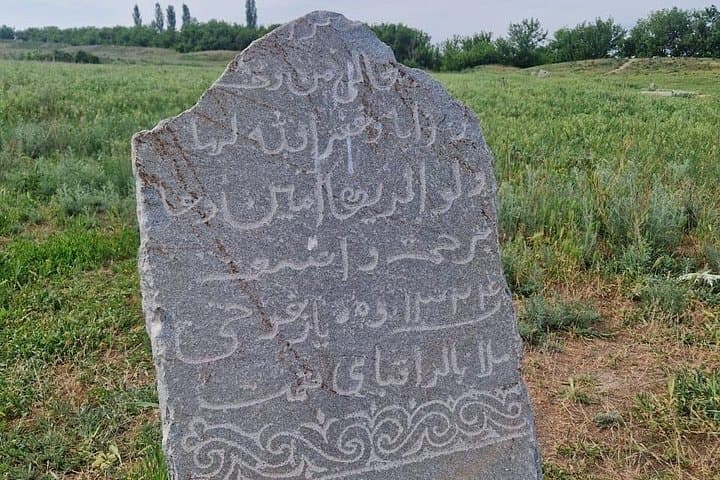
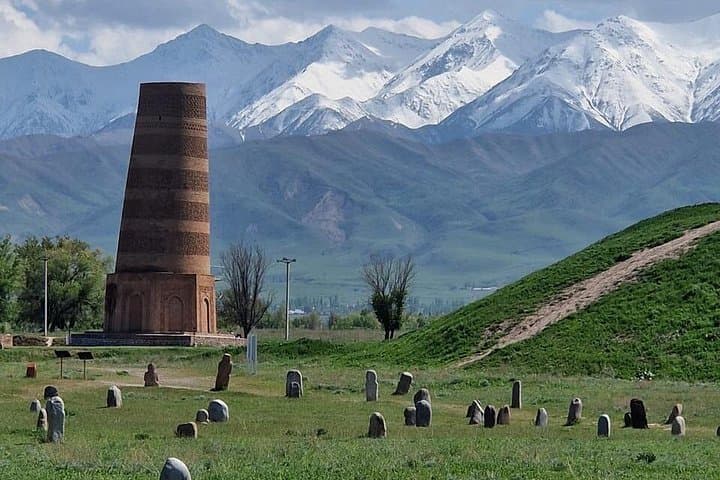
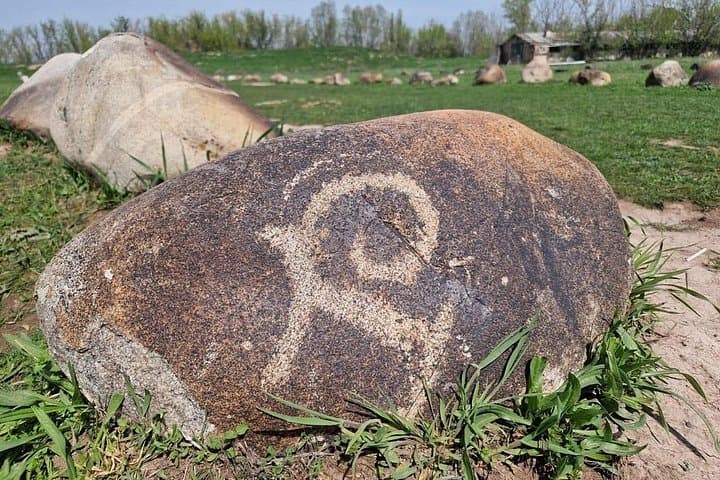
You arrive first at red-rock Konorchek (Konorchok) Canyons where wind and water have carved narrow passages and honeycombed walls—paths that invite close-up exploration and sharp photographic contrast. Later, the Burana Tower rises from the plain: an 11th‑century minaret that once anchored the Silk Road city of Balasagun, surrounded by ancient mausoleums and weathered balbals.
The route finishes along the northern rim of Issyk‑Kul, the vast alpine lake that refuses to freeze, its blue surface pushed sometimes by a bone-cool gust from the mountain passes. Geologically, the canyons are red sandstone and conglomerates shaped by rapid erosion; Issyk‑Kul sits in a tectonic basin uplifted by the Tian Shan.
Culturally, the day threads nomadic heritage with Silk Road traces—local eateries serve hearty laghman and mutton, and small museum exhibits in Burana explain Kyrgyz oral history and statecraft.
Practical guidance: expect a long day (9–12 hours) with several short hikes across uneven ground; bring layered clothing, at least 2 liters of water, sun protection, and sturdy shoes. Photography windows open at midday light in the canyons and late afternoon on Issyk‑Kul. The tour is suitable for travelers in moderate fitness; altitude is modest but the drive is long—plan for motion comfort aids if needed.
This itinerary pairs dramatic geology, living history, and wide-water calm in one intensive day—ideal for travelers who want a compact survey of northeastern Kyrgyzstan’s highlights.
moderate.
9–12 hours.
Moderate fitness required—able to manage several short hikes on uneven ground and a long day in transit.
The tour runs about 9–12 hours and includes several short hikes—mostly easy to moderate terrain of 30–90 minutes at each natural stop.
Lunch and bottled water are included; most operators can accommodate dietary requests if notified in advance through booking questions.
Yes—the itinerary covers multiple sites with significant driving between them in an air-conditioned vehicle; expect several hours on the road overall.
Altitude is moderate (Issyk‑Kul sits around 1,600 m) but the day is long and includes uneven footing—not recommended for travelers with serious cardiovascular or spinal issues.
Burana Tower is the remnant of Balasagun, a key Silk Road city; artifacts and balbals at the site trace Turkic and Kyrgyz cultural layers.
Erosion and visitor pressure threaten fragile sandstone formations; follow marked paths, carry out trash, and avoid climbing unstable walls.
BestTravel.go.kg operates guided outdoor trips and adventures with an emphasis on safety, stewardship, and memorable experiences.
The day opens on a road that climbs out of Bishkek and into the hollow of the Tien Shan’s foothills, windows framing raw cliffs and sudden rivers.
The day opens on a road that climbs out of Bishkek and into the hollow of the Tien Shan’s foothills, windows framing raw cliffs and sudden rivers.
You arrive first at red-rock Konorchek (Konorchok) Canyons where wind and water have carved narrow passages and honeycombed walls—paths that invite close-up exploration and sharp photographic contrast. Later, the Burana Tower rises from the plain: an 11th‑century minaret that once anchored the Silk Road city of Balasagun, surrounded by ancient mausoleums and weathered balbals.
The route finishes along the northern rim of Issyk‑Kul, the vast alpine lake that refuses to freeze, its blue surface pushed sometimes by a bone-cool gust from the mountain passes. Geologically, the canyons are red sandstone and conglomerates shaped by rapid erosion; Issyk‑Kul sits in a tectonic basin uplifted by the Tian Shan.
Culturally, the day threads nomadic heritage with Silk Road traces—local eateries serve hearty laghman and mutton, and small museum exhibits in Burana explain Kyrgyz oral history and statecraft.
Practical guidance: expect a long day (9–12 hours) with several short hikes across uneven ground; bring layered clothing, at least 2 liters of water, sun protection, and sturdy shoes. Photography windows open at midday light in the canyons and late afternoon on Issyk‑Kul. The tour is suitable for travelers in moderate fitness; altitude is modest but the drive is long—plan for motion comfort aids if needed.
This itinerary pairs dramatic geology, living history, and wide-water calm in one intensive day—ideal for travelers who want a compact survey of northeastern Kyrgyzstan’s highlights.