THE ADVENTURE COLLECTIVE® · Independent discovery and booking for outdoor travel

A full-day route from Siem Reap to the remote Koh Ker complex and the jungle-claimed Beng Mealea offers a hands-on look at two different phases of Khmer temple design. Expect long drives, uneven stonework, and evocative ruins reclaimed by vegetation.
A full-day route from Siem Reap to the remote Koh Ker complex and the jungle-claimed Beng Mealea offers a hands-on look at two different phases of Khmer temple design. Expect long drives, uneven stonework, and evocative ruins reclaimed by vegetation.
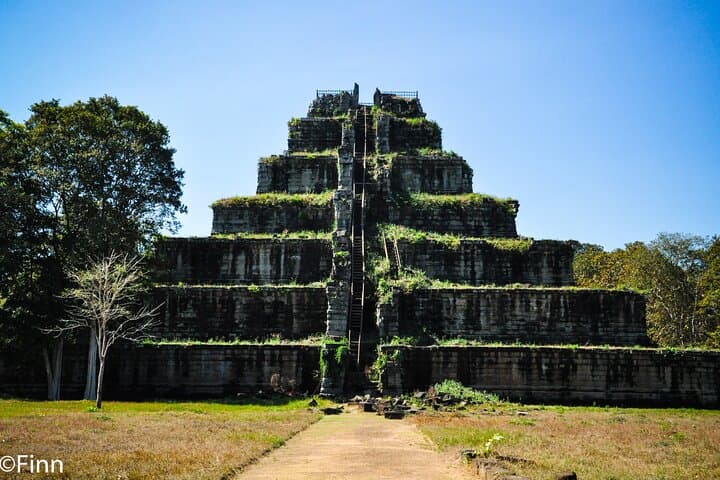
The morning light pours across flat rice paddies as a convoy leaves Siem Reap; dust and distant motorbike hum give way to a quieter landscape the farther north you go. By the time the road gives up to red dirt, the ruins of Koh Ker appear — a lone pyramid rising where a brief Khmer capital once tested new forms of temple architecture.
Verified experiences and guided adventures in the surrounding area.
Operated by The Fin Travel & Tours · Siem Reap, Siem Reap Province
The morning light pours across flat rice paddies as a convoy leaves Siem Reap; dust and distant motorbike hum give way to a quieter landscape the farther north you go. By the time the road gives up to red dirt, the ruins of Koh Ker appear — a lone pyramid rising where a brief Khmer capital once tested new forms of temple architecture.
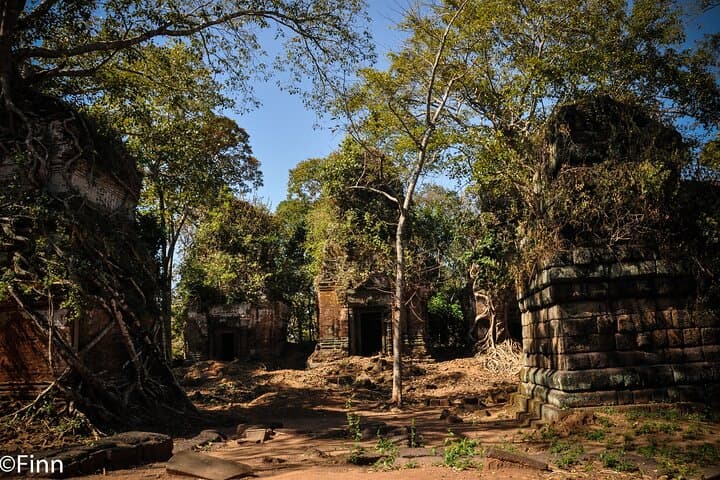
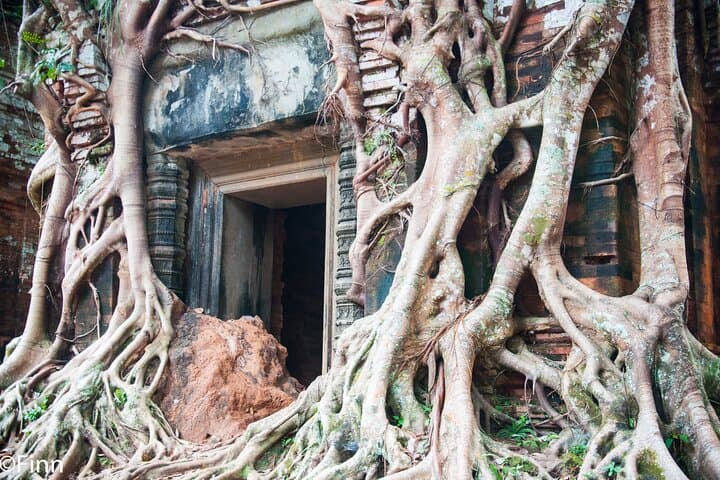
Koh Ker was the Khmer capital in the early 10th century under Jayavarman IV; its Prasat Thom pyramid sits on a ridge and offers a raw, wind-scraped perspective on ancient stonework. Beng Mealea, dated to the early 12th century, resembles Angkor Wat in plan but remains partially reclaimed by jungle, where roots tug and stones lean as if the forest is slowly rewriting the site.
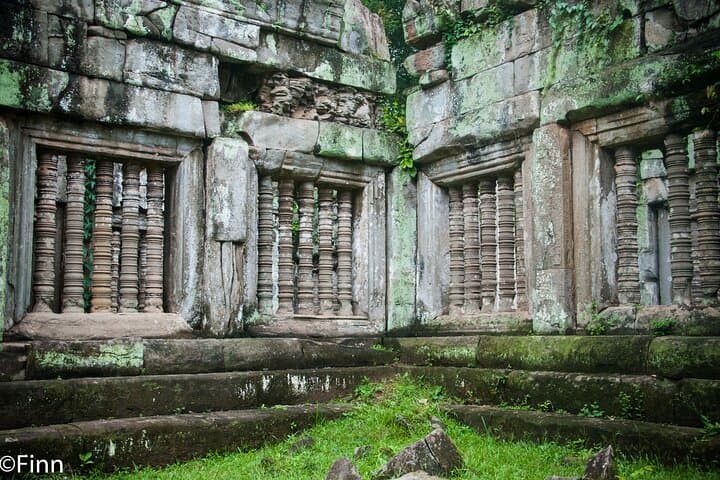
Geology here is Phnom Kulen-era sandstone, carved with reliefs that survive cycles of monsoon and sun. Local life threads the route — roadside markets, seasonal rice fields, and small rivers that push the landscape into new shapes each wet season.
Practical guidance: plan for an 8–9 hour day with two long drives and several short hikes across uneven, sometimes slippery stone. Bring sun protection, a refillable water bottle, and shoes with good traction; respect fragile carvings and follow your guide’s route to minimize impact. Photography is rewarding in low morning and late-afternoon light; mid-day glare flattens relief. Expect basic facilities at stops and limited shade at Koh Ker’s pyramid — pace yourself and hydrate often. The trip rewards patience: these are temples that demand a little effort and return quiet, expansive encounters with history and the landscape.
moderate.
8–9 hours.
Suitable for travelers who can manage several short walks on uneven ground and tolerate two long drives; not strenuous but requires stamina for a full day.
Expect about 2–2.5 hours one way on a combination of paved and red-dirt roads, depending on traffic and seasonal conditions.
Admission is typically not included in the tour price; bring cash for ticket booths at each temple if required.
Yes — the tour is paced for most fitness levels, but steeper steps and uneven surfaces at temples may be challenging; private transport and stops make it manageable.
Visitors can climb designated access routes, but always follow guide instructions and avoid unstable or fenced-off sections to protect both safety and archaeology.
Koh Ker served briefly as Khmer capital in the 10th century under Jayavarman IV; Beng Mealea dates to the early 12th century and mirrors Angkor Wat’s layout while remaining partially unrestored.
Both sites face pressure from weathering and vegetation; visitors should avoid climbing on fragile carvings, stick to paths, and support local guides to help sustain responsible tourism.
The Fin Travel & Tours operates guided outdoor trips and adventures with an emphasis on safety, stewardship, and memorable experiences.
The morning light pours across flat rice paddies as a convoy leaves Siem Reap; dust and distant motorbike hum give way to a quieter landscape the farther north you go. By the time the road gives up to red dirt, the ruins of Koh Ker appear — a lone pyramid rising where a brief Khmer capital once tested new forms of temple architecture.
The morning light pours across flat rice paddies as a convoy leaves Siem Reap; dust and distant motorbike hum give way to a quieter landscape the farther north you go. By the time the road gives up to red dirt, the ruins of Koh Ker appear — a lone pyramid rising where a brief Khmer capital once tested new forms of temple architecture.
Koh Ker was the Khmer capital in the early 10th century under Jayavarman IV; its Prasat Thom pyramid sits on a ridge and offers a raw, wind-scraped perspective on ancient stonework. Beng Mealea, dated to the early 12th century, resembles Angkor Wat in plan but remains partially reclaimed by jungle, where roots tug and stones lean as if the forest is slowly rewriting the site.
Geology here is Phnom Kulen-era sandstone, carved with reliefs that survive cycles of monsoon and sun. Local life threads the route — roadside markets, seasonal rice fields, and small rivers that push the landscape into new shapes each wet season.
Practical guidance: plan for an 8–9 hour day with two long drives and several short hikes across uneven, sometimes slippery stone. Bring sun protection, a refillable water bottle, and shoes with good traction; respect fragile carvings and follow your guide’s route to minimize impact. Photography is rewarding in low morning and late-afternoon light; mid-day glare flattens relief. Expect basic facilities at stops and limited shade at Koh Ker’s pyramid — pace yourself and hydrate often. The trip rewards patience: these are temples that demand a little effort and return quiet, expansive encounters with history and the landscape.