THE ADVENTURE COLLECTIVE® · Independent discovery and booking for outdoor travel

Spend a day moving through Kathmandu’s most significant UNESCO sites: climb Swayambhunath’s stairs, meet the Living Goddess at Durbar Square, walk the kora at Boudhanath and witness rituals at Pashupatinath. This guided, private tour pairs context with practical tips for respectful travel.
Spend a day moving through Kathmandu’s most significant UNESCO sites: climb Swayambhunath’s stairs, meet the Living Goddess at Durbar Square, walk the kora at Boudhanath and witness rituals at Pashupatinath. This guided, private tour pairs context with practical tips for respectful travel.
Morning light slides down narrow lanes as tuk-tuks thread between prayer flags and shopfronts. You step out at the foot of Swayambhu and climb long, stone stairs with macaques watching—above you the stupa’s gilded eyes survey the valley and the day’s itinerary unfolds: Durbar Square’s carved wooden windows, the living Kumari in her courtyard, the meditative kora around Boudhanath, and the intense rituals along the Bagmati at Pashupatinath.
Verified experiences and guided adventures in the surrounding area.
Operated by Himalayan Planet Adventures · Kathmandu, Bagmati Province
Morning light slides down narrow lanes as tuk-tuks thread between prayer flags and shopfronts. You step out at the foot of Swayambhu and climb long, stone stairs with macaques watching—above you the stupa’s gilded eyes survey the valley and the day’s itinerary unfolds: Durbar Square’s carved wooden windows, the living Kumari in her courtyard, the meditative kora around Boudhanath, and the intense rituals along the Bagmati at Pashupatinath.
Kathmandu Valley holds layers of history: Newar craftsmanship from medieval city-states, a Hindu-Buddhist syncretism shaped by centuries of trade and conquest, and an urban bowl carved by ancient rivers and alluvial plains. Stone, wood and stupas tell stories of kings and pilgrims; rooftop cafes offer vantage points to watch prayer flags twist in the wind.
Expect an immersive cultural loop rather than a wilderness trek. Terrain is urban — cobbled courtyards, crowded plazas and stair-climbs (Swayambhu). Learn local etiquette: remove shoes at stupas, keep shoulders covered at Pashupatinath, and obey no-photography rules at the Kumari window and cremation ghats. Your private guide explains context and helps navigate bargaining, timing and respectful behavior.
Practicalities: plan for 7–8 hours of moderate walking with frequent stops; carry water, small change for donation boxes and modest camera gear. Midday can be dusty and warm, so schedule temple visits for morning or late afternoon when light is best and crowds ease. This full-day tour is a concentrated primer in Kathmandu’s living heritage—an efficient, intimate way to read the city’s layers and leave with clearer understanding and respectful curiosity.
easy.
7–8 hours.
Light to moderate stamina for city walking and stair climbs; suitable for most fitness levels.
Photography is allowed at most sites but restricted at the Kumari window and certain areas of Pashupatinath; follow your guide and posted signs.
Most tour prices exclude official monument entry fees—bring cash to pay on-site unless your booking specifies otherwise.
Yes—the tour is rated easy and private transport minimizes walking distances, but Swayambhunath’s stairs may be challenging for those with mobility limits.
Tipping is customary in Nepal; a modest tip for your guide and driver is appreciated for good service.
Kathmandu Valley’s urban core was built by Newar craftsmen over centuries; many palace courtyards and stupas reflect medieval trade wealth and layered Hindu-Buddhist practices.
The Bagmati River and urban heritage sites face pollution and overcrowding pressures—travelers can help by avoiding single-use plastics, using licensed guides, and supporting local conservation efforts.
Himalayan Planet Adventures operates guided outdoor trips and adventures with an emphasis on safety, stewardship, and memorable experiences.
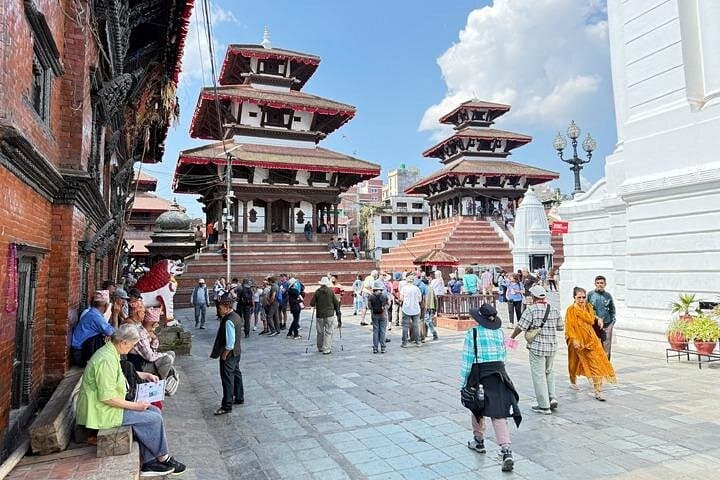
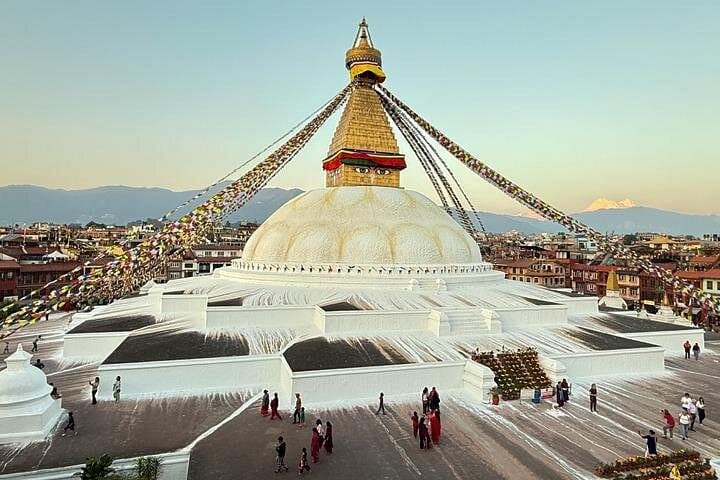
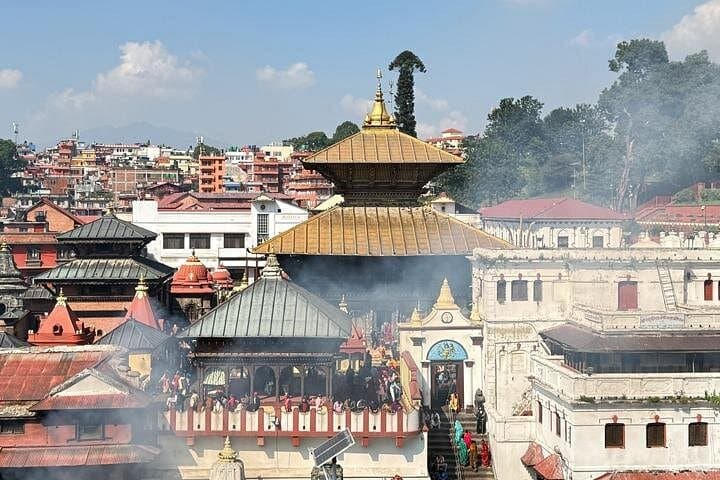
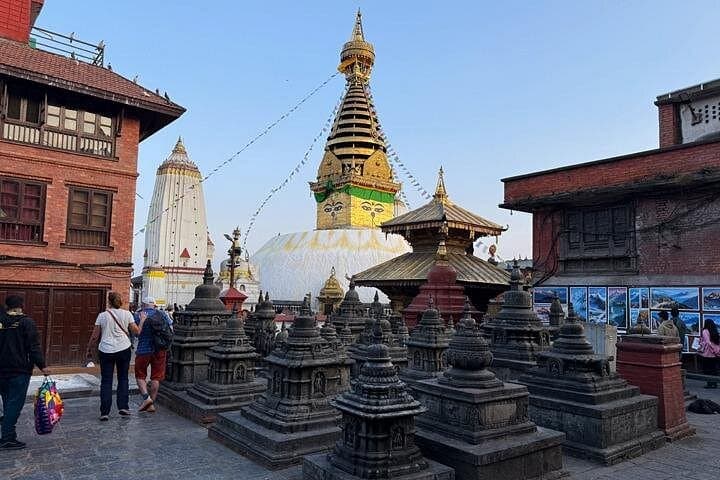
Morning light slides down narrow lanes as tuk-tuks thread between prayer flags and shopfronts. You step out at the foot of Swayambhu and climb long, stone stairs with macaques watching—above you the stupa’s gilded eyes survey the valley and the day’s itinerary unfolds: Durbar Square’s carved wooden windows, the living Kumari in her courtyard, the meditative kora around Boudhanath, and the intense rituals along the Bagmati at Pashupatinath.
Morning light slides down narrow lanes as tuk-tuks thread between prayer flags and shopfronts. You step out at the foot of Swayambhu and climb long, stone stairs with macaques watching—above you the stupa’s gilded eyes survey the valley and the day’s itinerary unfolds: Durbar Square’s carved wooden windows, the living Kumari in her courtyard, the meditative kora around Boudhanath, and the intense rituals along the Bagmati at Pashupatinath.
Kathmandu Valley holds layers of history: Newar craftsmanship from medieval city-states, a Hindu-Buddhist syncretism shaped by centuries of trade and conquest, and an urban bowl carved by ancient rivers and alluvial plains. Stone, wood and stupas tell stories of kings and pilgrims; rooftop cafes offer vantage points to watch prayer flags twist in the wind.
Expect an immersive cultural loop rather than a wilderness trek. Terrain is urban — cobbled courtyards, crowded plazas and stair-climbs (Swayambhu). Learn local etiquette: remove shoes at stupas, keep shoulders covered at Pashupatinath, and obey no-photography rules at the Kumari window and cremation ghats. Your private guide explains context and helps navigate bargaining, timing and respectful behavior.
Practicalities: plan for 7–8 hours of moderate walking with frequent stops; carry water, small change for donation boxes and modest camera gear. Midday can be dusty and warm, so schedule temple visits for morning or late afternoon when light is best and crowds ease. This full-day tour is a concentrated primer in Kathmandu’s living heritage—an efficient, intimate way to read the city’s layers and leave with clearer understanding and respectful curiosity.