THE ADVENTURE COLLECTIVE® · Independent discovery and booking for outdoor travel

Spend a focused day touring Kathmandu Valley’s major World Heritage sites — Swayambhunath, Patan Durbar Square, Boudhanath and Pashupatinath — with a private guide and transport. Expect stairs, artisans, and active religious life paired with practical tips for temple etiquette and timing.
Spend a focused day touring Kathmandu Valley’s major World Heritage sites — Swayambhunath, Patan Durbar Square, Boudhanath and Pashupatinath — with a private guide and transport. Expect stairs, artisans, and active religious life paired with practical tips for temple etiquette and timing.
You step out of an air-conditioned van into the heat and noise of Kathmandu, the city pressing close with temple bells and prayer flags snapping in the breeze. The climb up to Swayambhunath begins immediately — steps rise beneath your feet while the valley opens like a well-worn map. Monkeys regard you with casual authority; stupas and gilded eyes watch the flow of people below.
Verified experiences and guided adventures in the surrounding area.
Operated by Unique Adventure International Pvt. Ltd. · Kathmandu, Bagmati Province
You step out of an air-conditioned van into the heat and noise of Kathmandu, the city pressing close with temple bells and prayer flags snapping in the breeze. The climb up to Swayambhunath begins immediately — steps rise beneath your feet while the valley opens like a well-worn map. Monkeys regard you with casual authority; stupas and gilded eyes watch the flow of people below.
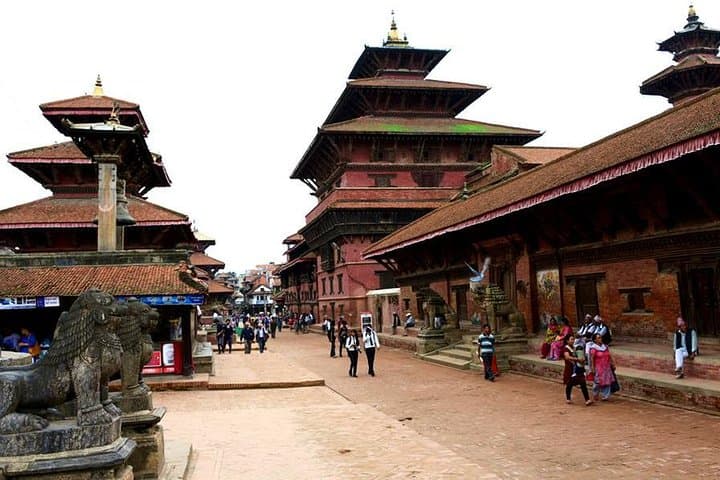
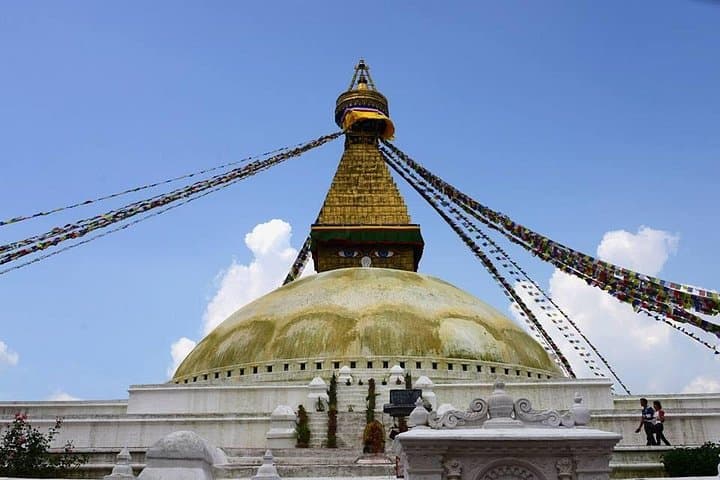
Kathmandu Valley has been a cultural crossroads for millennia. Carved stone, Newar woodwork and tiered temples reflect a layered history of Hindu and Buddhist patronage; the Boudhanath stupa and Patan Durbar Square are UNESCO-listed reminders of that legacy. Geologically the valley sits in a bowl of alluvial plains ringed by hills, which channels weather and views and made it a natural gathering place for settlement and ritual.
On this private, full-day circuit you’ll move from hilltop viewpoints to courtyards of craftsmen in Patan, spin prayer wheels at Boudhanath, and stand on the Bagmati’s ghats at Pashupatinath where rituals continue uninterrupted. Expect stairs, cobbled lanes and crowds; some monuments are under reconstruction after the 2015 earthquake, but restoration work is itself informative.
Practical guidance: wear sturdy walking shoes and clothing that covers shoulders and knees for temple visits; carry water and a small donation for temple caretakers. Start early to avoid mid-day heat and plan photography with sensitivity to worshippers. The itinerary is paced to include guided context and transport, but bring patience for traffic and time at each site — the rewards are cultural depth, close-up craftsmanship and a sensory portrait of Nepal’s living heritage.
moderate.
7–8 hours.
Comfortable walking ability with stair-climbing capacity; not technically strenuous but requires stamina for an all-day outing
Some site admissions are typically included in private tours but confirm with the operator; small donations at religious sites are customary.
Photography is allowed in many outdoor areas, but indoor shrines and cremation ghats may prohibit photos — always ask your guide before shooting.
Transport and some viewing areas may be accessible, but many temples have stairs and uneven surfaces; confirm specific accessibility needs in advance.
Most tours include breaks where you can buy food; vegetarian options are widely available—inform the operator of dietary restrictions when booking.
Kathmandu Valley has been a hub for Newar culture and trade for over a thousand years; many monuments date to medieval Malla-period city-states and remain active religious centers.
Restoration after the 2015 earthquake is ongoing — visitors can support local artisans and follow signage to avoid fragile structures; respect temple rules to minimize impact.
Unique Adventure International Pvt. Ltd. operates guided outdoor trips and adventures with an emphasis on safety, stewardship, and memorable experiences.
You step out of an air-conditioned van into the heat and noise of Kathmandu, the city pressing close with temple bells and prayer flags snapping in the breeze. The climb up to Swayambhunath begins immediately — steps rise beneath your feet while the valley opens like a well-worn map. Monkeys regard you with casual authority; stupas and gilded eyes watch the flow of people below.
You step out of an air-conditioned van into the heat and noise of Kathmandu, the city pressing close with temple bells and prayer flags snapping in the breeze. The climb up to Swayambhunath begins immediately — steps rise beneath your feet while the valley opens like a well-worn map. Monkeys regard you with casual authority; stupas and gilded eyes watch the flow of people below.
Kathmandu Valley has been a cultural crossroads for millennia. Carved stone, Newar woodwork and tiered temples reflect a layered history of Hindu and Buddhist patronage; the Boudhanath stupa and Patan Durbar Square are UNESCO-listed reminders of that legacy. Geologically the valley sits in a bowl of alluvial plains ringed by hills, which channels weather and views and made it a natural gathering place for settlement and ritual.
On this private, full-day circuit you’ll move from hilltop viewpoints to courtyards of craftsmen in Patan, spin prayer wheels at Boudhanath, and stand on the Bagmati’s ghats at Pashupatinath where rituals continue uninterrupted. Expect stairs, cobbled lanes and crowds; some monuments are under reconstruction after the 2015 earthquake, but restoration work is itself informative.
Practical guidance: wear sturdy walking shoes and clothing that covers shoulders and knees for temple visits; carry water and a small donation for temple caretakers. Start early to avoid mid-day heat and plan photography with sensitivity to worshippers. The itinerary is paced to include guided context and transport, but bring patience for traffic and time at each site — the rewards are cultural depth, close-up craftsmanship and a sensory portrait of Nepal’s living heritage.