THE ADVENTURE COLLECTIVE® · Independent discovery and booking for outdoor travel

Spend a day moving through Kathmandu’s living history: Pashupatinath’s ghats, Boudhanath’s great stupa, Swayambhunath’s hilltop views and the carved courtyards of Durbar Square. This guided private tour covers UNESCO sites with transport and entrance fees included.
Spend a day moving through Kathmandu’s living history: Pashupatinath’s ghats, Boudhanath’s great stupa, Swayambhunath’s hilltop views and the carved courtyards of Durbar Square. This guided private tour covers UNESCO sites with transport and entrance fees included.
You step out of a private vehicle onto a sun-warmed plaza where prayer flags snap and the city hums—this is Kathmandu in motion. The day moves between courtyards, stupas, and a hilltop gaze: Pashupatinath’s incense-filled ghats, the massive mandala of Boudhanath, Swayambhunath’s monkey-lined stairway and the crowded art and palace rooms of Kathmandu Durbar Square.
Verified experiences and guided adventures in the surrounding area.
Operated by Nepal Social Treks and Expedition · Kathmandu, Bagmati Province
You step out of a private vehicle onto a sun-warmed plaza where prayer flags snap and the city hums—this is Kathmandu in motion. The day moves between courtyards, stupas, and a hilltop gaze: Pashupatinath’s incense-filled ghats, the massive mandala of Boudhanath, Swayambhunath’s monkey-lined stairway and the crowded art and palace rooms of Kathmandu Durbar Square.
Kathmandu Valley sits at roughly 1,350 m in a bowl of interlocking hills formed from ancient lake and river deposits; the human history here is just as layered. The valley’s Newar culture produced the pagoda and shikhara temples, wood-carved windows and stone courtyards that UNESCO listed in 1979. You’ll feel Hindu and Buddhist practices running side-by-side—priests performing puja, monks circling the stupa, and the rhythm of devotees circling with prayer wheels.
Expect a day of short, paved walks plus steps—Swayambhunath has roughly 365 stairs—interspersed with private-vehicle transfers. The itinerary typically runs 5–7 hours with certified guide-led visits and entrance fees included. Practicalities matter: modest clothing and removing shoes at shrines, cash for incidental fees and photography surcharges, and an early start to avoid mid-day traffic and heat. Wear supportive shoes for cobbles and stairs, carry water, and leave extra time for narrow-market alleys where artisans still carve and traders sell spices and metalwork.
This tour is a compact primer to Kathmandu’s religious architecture and living traditions—efficient, walkable and rich with sensory details that tell the valley’s long story.
easy.
5–7 hours.
Light to moderate walking ability with the ability to climb stairs; suitable for most fitness levels.
Yes—this private tour includes entrance fees for the listed UNESCO sites and private vehicle transport as described in the itinerary.
Expect several short walks through plazas and markets totaling roughly 3–5 km over the day, plus stair climbs such as Swayambhunath’s ~365 steps.
The tour is family-friendly; infants must sit on laps but infant seats are available—note stair sections where a carrier may be more practical than a stroller.
A passport with name, number and expiry is required at booking; international visitors should obtain any necessary Nepal entry visa and pay visa fees separately.
Kathmandu Valley’s palace squares, stupas and temples were developed over centuries by Newar artisans; the valley ensemble was inscribed as a UNESCO World Heritage Site in 1979.
High visitor numbers put pressure on fragile wood and brick structures—follow path restrictions, avoid touching carvings, minimize single-use plastics and support local conservation fees when offered.
Nepal Social Treks and Expedition operates guided outdoor trips and adventures with an emphasis on safety, stewardship, and memorable experiences.
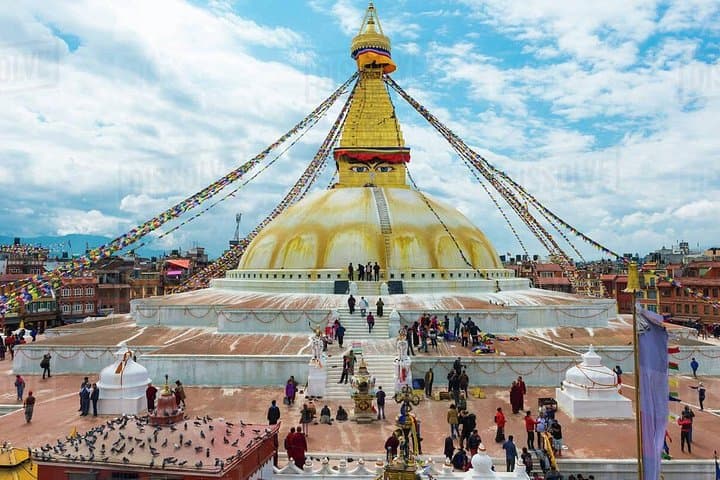
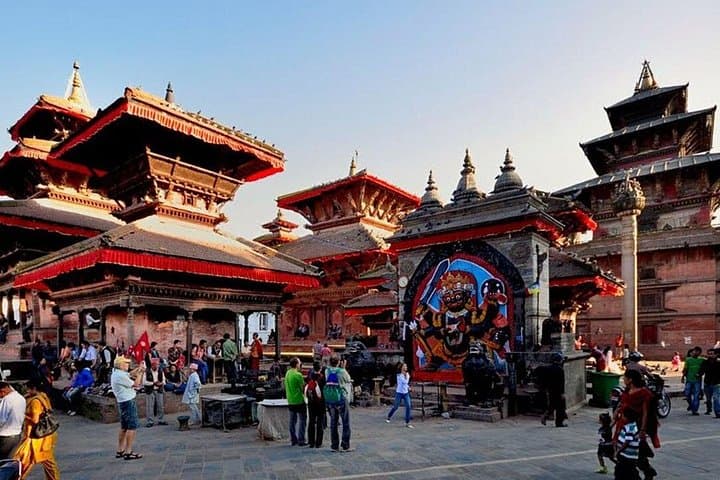
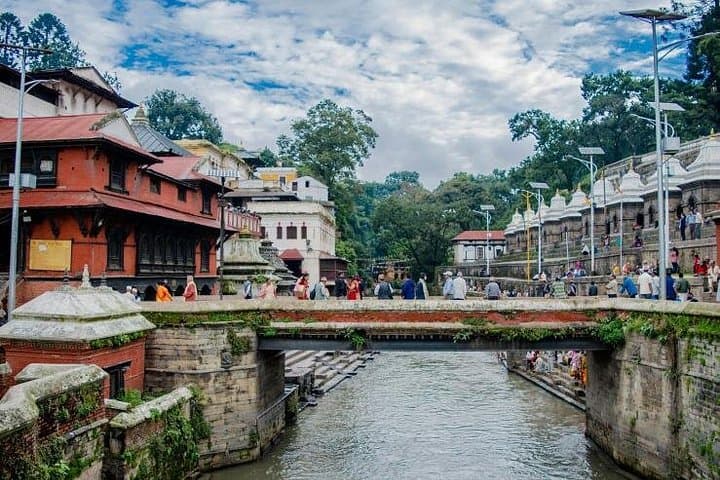
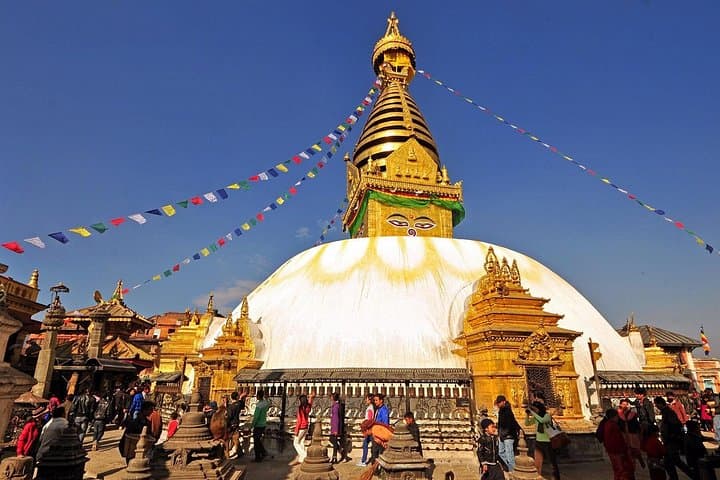
You step out of a private vehicle onto a sun-warmed plaza where prayer flags snap and the city hums—this is Kathmandu in motion. The day moves between courtyards, stupas, and a hilltop gaze: Pashupatinath’s incense-filled ghats, the massive mandala of Boudhanath, Swayambhunath’s monkey-lined stairway and the crowded art and palace rooms of Kathmandu Durbar Square.
You step out of a private vehicle onto a sun-warmed plaza where prayer flags snap and the city hums—this is Kathmandu in motion. The day moves between courtyards, stupas, and a hilltop gaze: Pashupatinath’s incense-filled ghats, the massive mandala of Boudhanath, Swayambhunath’s monkey-lined stairway and the crowded art and palace rooms of Kathmandu Durbar Square.
Kathmandu Valley sits at roughly 1,350 m in a bowl of interlocking hills formed from ancient lake and river deposits; the human history here is just as layered. The valley’s Newar culture produced the pagoda and shikhara temples, wood-carved windows and stone courtyards that UNESCO listed in 1979. You’ll feel Hindu and Buddhist practices running side-by-side—priests performing puja, monks circling the stupa, and the rhythm of devotees circling with prayer wheels.
Expect a day of short, paved walks plus steps—Swayambhunath has roughly 365 stairs—interspersed with private-vehicle transfers. The itinerary typically runs 5–7 hours with certified guide-led visits and entrance fees included. Practicalities matter: modest clothing and removing shoes at shrines, cash for incidental fees and photography surcharges, and an early start to avoid mid-day traffic and heat. Wear supportive shoes for cobbles and stairs, carry water, and leave extra time for narrow-market alleys where artisans still carve and traders sell spices and metalwork.
This tour is a compact primer to Kathmandu’s religious architecture and living traditions—efficient, walkable and rich with sensory details that tell the valley’s long story.