THE ADVENTURE COLLECTIVE® · Independent discovery and booking for outdoor travel

Explore Kathmandu’s major UNESCO sites in one day: Durbar Square, Swayambhu’s skyline steps, the vast Boudhanath stupa, and Pashupatinath’s riverside ghats. Ideal for travelers wanting a concentrated cultural and architectural primer with practical pacing and local insights.
Explore Kathmandu’s major UNESCO sites in one day: Durbar Square, Swayambhu’s skyline steps, the vast Boudhanath stupa, and Pashupatinath’s riverside ghats. Ideal for travelers wanting a concentrated cultural and architectural primer with practical pacing and local insights.
You step out into a city of tumbling roofs and prayer flags, where bell chimes and street vendors share space with centuries-old stone. The full-day Kathmandu UNESCO tour carries you from the crowded courtyards of Durbar Square up the 365 steps of Swayambhu to a skyline view, then across to the massive white dome of Boudhanath and the riverside shrines of Pashupatinath.
Verified experiences and guided adventures in the surrounding area.
Operated by Kathmandu Adventures Travel and Tours · Kathmandu, Bagmati Province
You step out into a city of tumbling roofs and prayer flags, where bell chimes and street vendors share space with centuries-old stone. The full-day Kathmandu UNESCO tour carries you from the crowded courtyards of Durbar Square up the 365 steps of Swayambhu to a skyline view, then across to the massive white dome of Boudhanath and the riverside shrines of Pashupatinath.
Kathmandu’s core is layered history: medieval palaces and Newar artisan woodwork in Durbar Square, Buddhist pilgrimage rhythms at Boudhanath, and the sacred Hindu ghats at Pashupatinath. Geologically, the valley is a bowl carved by tectonic uplift between surrounding ridgelines—an urban landscape that still bears old trade routes and temple alignments. Culturally, daily life flows around ritual; you’ll see circumambulating pilgrims, butter lamps, and rooftop teahouses that frame close-up views of temple life.
Practical guidance: expect 5–8 hours on foot with frequent short stops. Most walking is on paved courtyards and city streets; Swayambhu involves steep stone steps. Bring a daypack, modest clothing for temple etiquette (shoulders and knees covered), and carry cash for small entrance fees, tea stops, and local donations. Plan for early morning or late afternoon light for cleaner views and fewer crowds. Hydrate—Kathmandu’s altitude (≈1,400 m) and stairs can feel harder than the map suggests. Respect local rituals: avoid entering restricted temple interiors, ask before photographing people near cremation ghats, and follow guides’ directions at sacred sites. This tour is a compact, accessible way to read Kathmandu’s religious and architectural layers in a single day.
easy.
5–8 hours.
Suitable for most travelers in reasonable health; requires standing and short walks, plus a steep stair climb if you choose to ascend Swayambhu.
Most site entry fees are not included and are paid locally; your guide will clarify which fees apply and handle logistics at each site.
Infants must sit on an adult’s lap; the tour is family-friendly but involves stairs and crowded areas—adjust pacing as needed.
The main inner sanctum is restricted to Hindus; visitors can observe the complex and ghats from designated viewpoints outside the core temple area.
Swayambhu’s climb is about 365 stone steps—steep but short; there is an option to be driven to the upper gate if you prefer to avoid the stairs.
Kathmandu Valley’s core was the political and cultural center of medieval Himalayan kingdoms; many temples and palaces date to the Malla period (12th–18th centuries) and reflect Newar craftsmanship.
Visitor pressure and urban development stress heritage sites—follow marked paths, avoid touching ancient carvings, and support local conservation fees or licensed guides.
Kathmandu Adventures Travel and Tours operates guided outdoor trips and adventures with an emphasis on safety, stewardship, and memorable experiences.
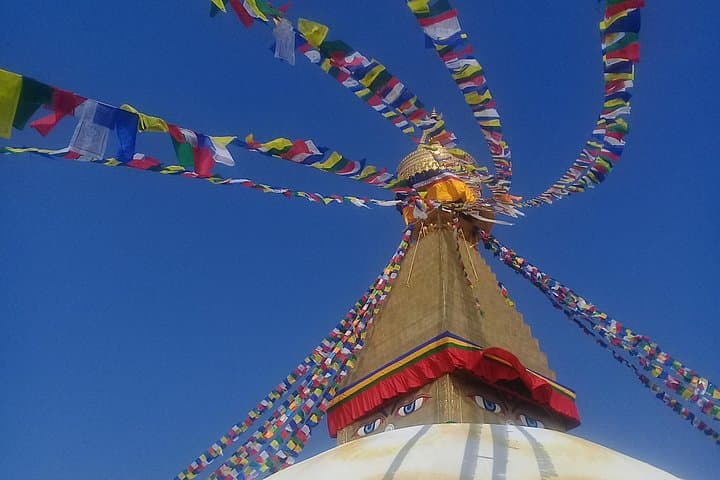
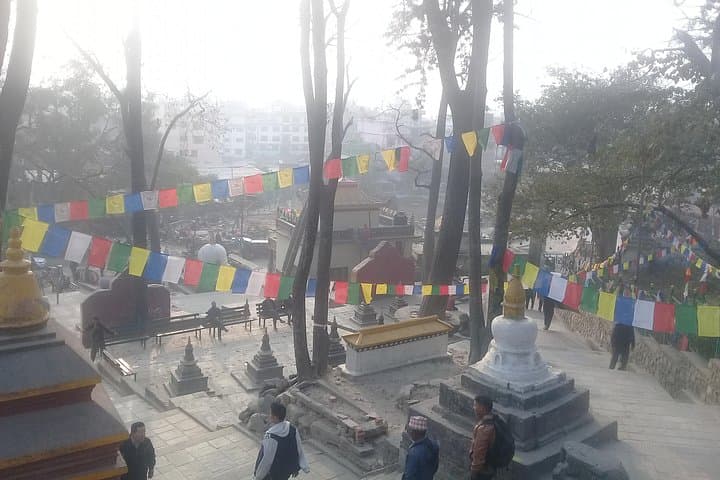
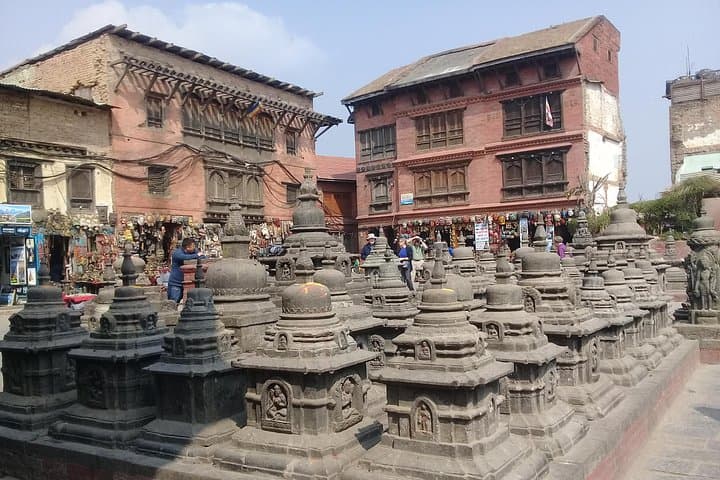
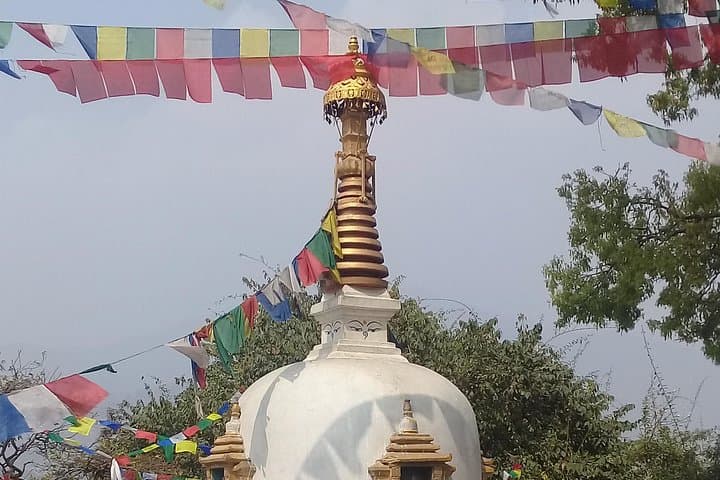
You step out into a city of tumbling roofs and prayer flags, where bell chimes and street vendors share space with centuries-old stone. The full-day Kathmandu UNESCO tour carries you from the crowded courtyards of Durbar Square up the 365 steps of Swayambhu to a skyline view, then across to the massive white dome of Boudhanath and the riverside shrines of Pashupatinath.
You step out into a city of tumbling roofs and prayer flags, where bell chimes and street vendors share space with centuries-old stone. The full-day Kathmandu UNESCO tour carries you from the crowded courtyards of Durbar Square up the 365 steps of Swayambhu to a skyline view, then across to the massive white dome of Boudhanath and the riverside shrines of Pashupatinath.
Kathmandu’s core is layered history: medieval palaces and Newar artisan woodwork in Durbar Square, Buddhist pilgrimage rhythms at Boudhanath, and the sacred Hindu ghats at Pashupatinath. Geologically, the valley is a bowl carved by tectonic uplift between surrounding ridgelines—an urban landscape that still bears old trade routes and temple alignments. Culturally, daily life flows around ritual; you’ll see circumambulating pilgrims, butter lamps, and rooftop teahouses that frame close-up views of temple life.
Practical guidance: expect 5–8 hours on foot with frequent short stops. Most walking is on paved courtyards and city streets; Swayambhu involves steep stone steps. Bring a daypack, modest clothing for temple etiquette (shoulders and knees covered), and carry cash for small entrance fees, tea stops, and local donations. Plan for early morning or late afternoon light for cleaner views and fewer crowds. Hydrate—Kathmandu’s altitude (≈1,400 m) and stairs can feel harder than the map suggests. Respect local rituals: avoid entering restricted temple interiors, ask before photographing people near cremation ghats, and follow guides’ directions at sacred sites. This tour is a compact, accessible way to read Kathmandu’s religious and architectural layers in a single day.