THE ADVENTURE COLLECTIVE® · Independent discovery and booking for outdoor travel

Spend a day tracing Kathmandu’s living heritage: the vast Boudhanath Stupa, the sacred ghats of Pashupatinath, the hilltop Swayambhunath, and the carved palaces of Patan Durbar Square. Expect ritual, steep steps, and rich Newar architecture.
Spend a day tracing Kathmandu’s living heritage: the vast Boudhanath Stupa, the sacred ghats of Pashupatinath, the hilltop Swayambhunath, and the carved palaces of Patan Durbar Square. Expect ritual, steep steps, and rich Newar architecture.
You step out into Kathmandu morning light and the city greets you with a chorus of temple bells, honking tuk-tuks, and the low murmur of monks reciting prayers around whitewashed stupas. On a full-day guided circuit, the city’s religious landmarks unfold one by one—each courtyard holding a different rhythm of ritual and workmanship.
Verified experiences and guided adventures in the surrounding area.
Operated by Sudip Panta · Kathmandu, Bagmati Province
You step out into Kathmandu morning light and the city greets you with a chorus of temple bells, honking tuk-tuks, and the low murmur of monks reciting prayers around whitewashed stupas. On a full-day guided circuit, the city’s religious landmarks unfold one by one—each courtyard holding a different rhythm of ritual and workmanship.
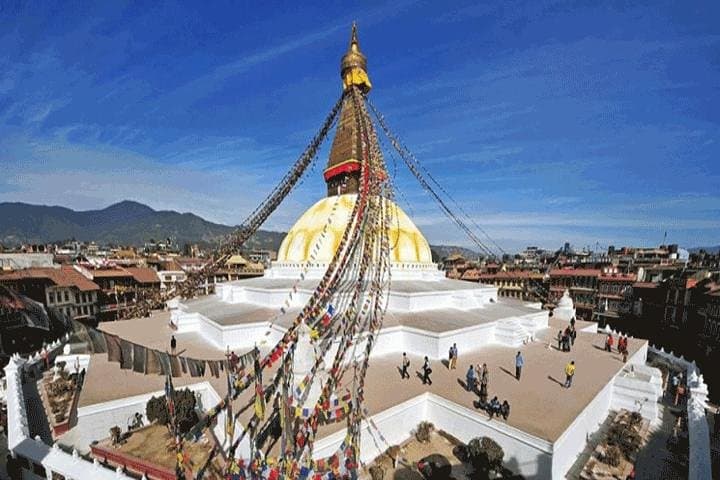
Start at Boudhanath, where the giant dome and painted eyes preside over a ring of monasteries and rotating prayer wheels. Walkable streets and flat terraces make it easy to move through the Tibetan quarter and watch practitioners circumambulate the stupa.
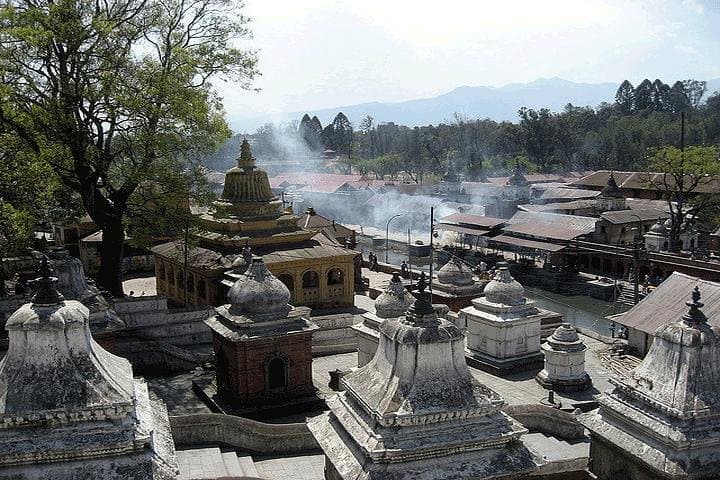
Pashupatinath along the Bagmati River presents a sharp cultural contrast: a sprawling Hindu temple complex of pagodas, cremation ghats, and small shrines. The site’s significance stretches back centuries, central to Nepal’s Shaiva tradition and Newar craftsmanship.
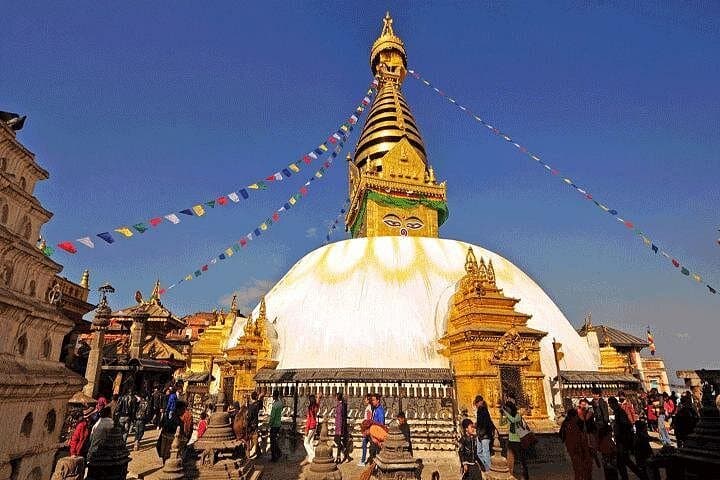
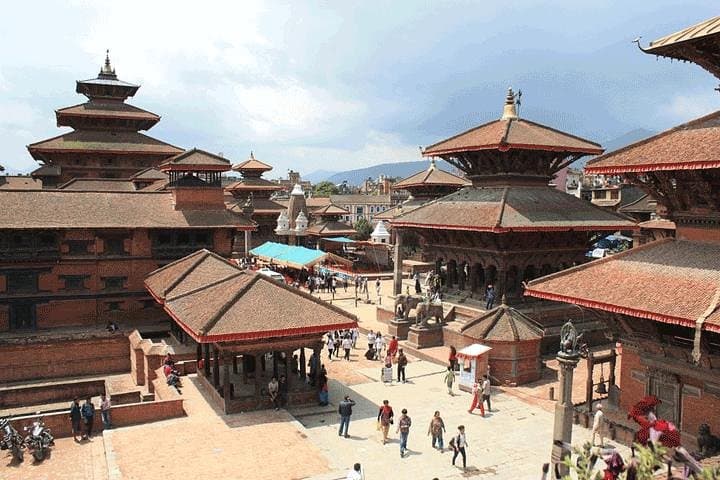
Swayambhunath sits above the valley on a tree-dotted hill. The climb is steep—stone steps rise under flocks of rhesus macaques—but the platform yields broad views over Kathmandu’s patchwork rooftops. Patan Durbar Square, across the Bagmati, showcases Newar-era palaces, carved wooden windows, and living cultural practices around the Kumari shrine.
Practical guidance: wear modest, breathable clothes; bring water and small change for temple donations; plan for uneven stonework and short stair climbs. The guide and private transport smooth logistics, but expect crowds and sensory intensity—honor local customs, keep a steady pace, and leave time to observe rather than rush from monument to monument.
easy.
7 hours.
Suitable for most fitness levels; you should be comfortable walking up short flights of stairs and standing during temple visits.
Most major sites require individual entrance fees not always covered by the tour price; confirm with the operator before booking.
Yes—this tour includes private transportation and pickup within Kathmandu; confirm your pickup point when booking.
Yes—the itinerary is rated easy, but Swayambhunath involves steep steps; alternative vehicle access is often available to the hilltop.
Licensed guides typically know local etiquette; ask before photographing ceremonies or people and avoid shooting near closed rituals.
Kathmandu Valley’s sites reflect centuries of Newar urban craft, a crossroads of Hindu and Buddhist devotion, and the city’s role as a Himalayan trade hub.
High visitor numbers and urban pollution strain temple complexes; follow guide advice, avoid litter, and support local conservation initiatives when possible.
Sudip Panta operates guided outdoor trips and adventures with an emphasis on safety, stewardship, and memorable experiences.
You step out into Kathmandu morning light and the city greets you with a chorus of temple bells, honking tuk-tuks, and the low murmur of monks reciting prayers around whitewashed stupas. On a full-day guided circuit, the city’s religious landmarks unfold one by one—each courtyard holding a different rhythm of ritual and workmanship.
You step out into Kathmandu morning light and the city greets you with a chorus of temple bells, honking tuk-tuks, and the low murmur of monks reciting prayers around whitewashed stupas. On a full-day guided circuit, the city’s religious landmarks unfold one by one—each courtyard holding a different rhythm of ritual and workmanship.
Start at Boudhanath, where the giant dome and painted eyes preside over a ring of monasteries and rotating prayer wheels. Walkable streets and flat terraces make it easy to move through the Tibetan quarter and watch practitioners circumambulate the stupa.
Pashupatinath along the Bagmati River presents a sharp cultural contrast: a sprawling Hindu temple complex of pagodas, cremation ghats, and small shrines. The site’s significance stretches back centuries, central to Nepal’s Shaiva tradition and Newar craftsmanship.
Swayambhunath sits above the valley on a tree-dotted hill. The climb is steep—stone steps rise under flocks of rhesus macaques—but the platform yields broad views over Kathmandu’s patchwork rooftops. Patan Durbar Square, across the Bagmati, showcases Newar-era palaces, carved wooden windows, and living cultural practices around the Kumari shrine.
Practical guidance: wear modest, breathable clothes; bring water and small change for temple donations; plan for uneven stonework and short stair climbs. The guide and private transport smooth logistics, but expect crowds and sensory intensity—honor local customs, keep a steady pace, and leave time to observe rather than rush from monument to monument.