THE ADVENTURE COLLECTIVE® · Independent discovery and booking for outdoor travel

Explore Kathmandu’s UNESCO heritage in a day: climb to Swayambhunath’s stupa, circle the vast mandala of Boudhanath, and walk the palace courtyards of the Durbar Squares. This shared tour packs culture, history, and local life into a single, accessible day.
Explore Kathmandu’s UNESCO heritage in a day: climb to Swayambhunath’s stupa, circle the vast mandala of Boudhanath, and walk the palace courtyards of the Durbar Squares. This shared tour packs culture, history, and local life into a single, accessible day.
You step out of the vehicle into a canyon of temples: prayer flags snap overhead, the air carries incense and diesel, and the city’s heartbeat pulses through narrow alleys. From the hilltop gaze at Swayambhunath the valley spreads below like a map—white dome, painted eyes, and macaques inspecting your backpack.
Verified experiences and guided adventures in the surrounding area.
Operated by Shepherd Holidays · Kathmandu, Bagmati Province
You step out of the vehicle into a canyon of temples: prayer flags snap overhead, the air carries incense and diesel, and the city’s heartbeat pulses through narrow alleys. From the hilltop gaze at Swayambhunath the valley spreads below like a map—white dome, painted eyes, and macaques inspecting your backpack.
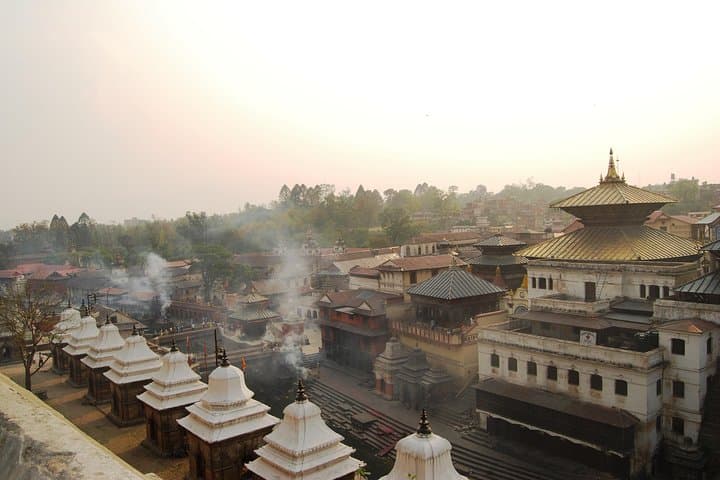
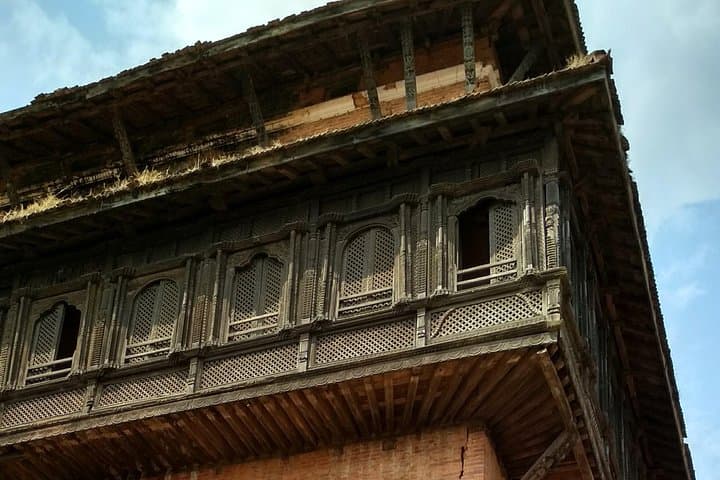
The day threads through Kathmandu’s layered past: Newar craftsmen carving palace windows, Malla-era courtyards where kings once walked, and the Bagmati River tracing rituals at Pashupatinath. Geologically the valley sits on an alluvial basin ringed by low hills, which concentrate views and city life into compact neighborhoods. Culturally this tour is a cross-section—Tibetan Buddhist devotion at Boudhanath, Shaiva rites at Pashupatinath, and civic life spilling from Durbar Squares in Kathmandu, Patan, and Bhaktapur.
Expect a steady pace and lots of short walks between monuments; many sites have steps and uneven stone surfaces. Guides explain iconography—why the stupa’s eyes gaze in four directions and how Newar woodwork encodes social history. Practical details matter: morning light softens the stupas and afternoons bring thicker haze.
Plan for hydration, modest clothing for temple visits, and shoes that can handle cobbles and stairs. Carry small change for entrance fees and local crafts, and leave large backpacks at your hotel if possible. This is a sensory, social day—bring patience for traffic, curiosity for rituals, and a sense of respect: the city rewards quiet attention with moments of unexpected stillness amid the bustle.
easy.
7 hours.
Suitable for most fitness levels; requires comfortable walking ability and negotiating stairs.
Most public site entrance fees are not included in the shared tour price—your guide will advise on cash payments at each monument.
Yes; the tour lists hotel pickup and drop-off—confirm your pickup point when booking and allow extra time in heavy traffic.
Non-Hindus can enter surrounding areas and view main ghats from the opposite bank; inner temple access is typically restricted.
The tour is rated easy and family-friendly, but Swayambhunath and some courtyards have steep steps which may be challenging for limited mobility.
Kathmandu Valley’s core settlements grew under the Newar civilization and the Malla kingdoms; many palace squares and temples date from the 12th–18th centuries and are UNESCO-listed for their cultural continuity.
Visitor pressure and air pollution strain fragile monuments—use marked paths, avoid touching carvings, and support local conservation fees or certified guides when offered.
Shepherd Holidays operates guided outdoor trips and adventures with an emphasis on safety, stewardship, and memorable experiences.
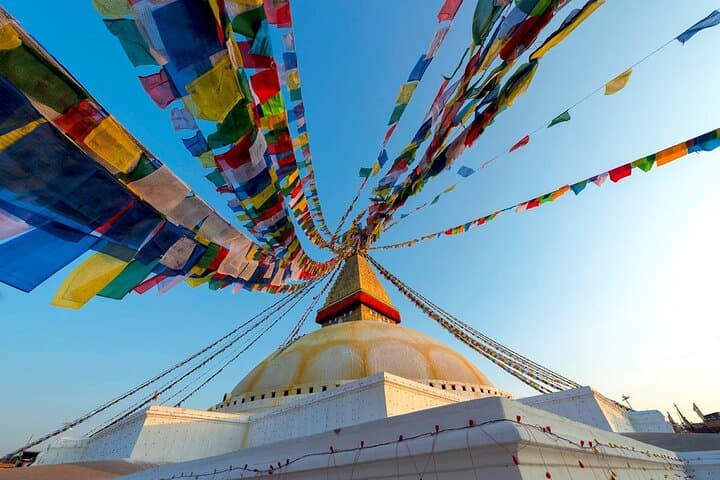
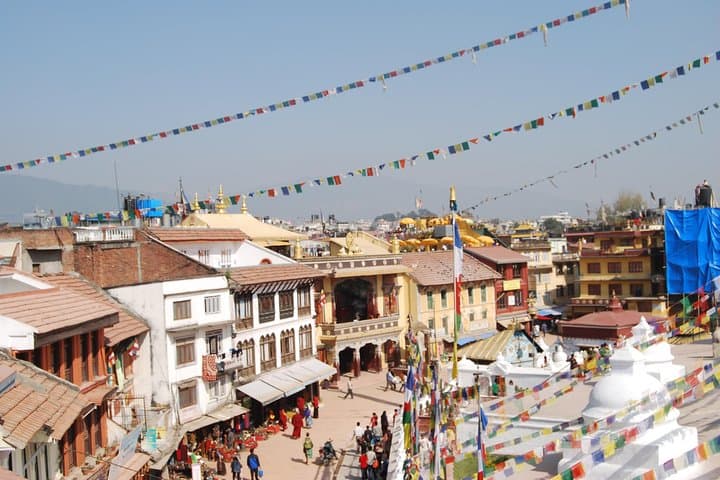
You step out of the vehicle into a canyon of temples: prayer flags snap overhead, the air carries incense and diesel, and the city’s heartbeat pulses through narrow alleys. From the hilltop gaze at Swayambhunath the valley spreads below like a map—white dome, painted eyes, and macaques inspecting your backpack.
You step out of the vehicle into a canyon of temples: prayer flags snap overhead, the air carries incense and diesel, and the city’s heartbeat pulses through narrow alleys. From the hilltop gaze at Swayambhunath the valley spreads below like a map—white dome, painted eyes, and macaques inspecting your backpack.
The day threads through Kathmandu’s layered past: Newar craftsmen carving palace windows, Malla-era courtyards where kings once walked, and the Bagmati River tracing rituals at Pashupatinath. Geologically the valley sits on an alluvial basin ringed by low hills, which concentrate views and city life into compact neighborhoods. Culturally this tour is a cross-section—Tibetan Buddhist devotion at Boudhanath, Shaiva rites at Pashupatinath, and civic life spilling from Durbar Squares in Kathmandu, Patan, and Bhaktapur.
Expect a steady pace and lots of short walks between monuments; many sites have steps and uneven stone surfaces. Guides explain iconography—why the stupa’s eyes gaze in four directions and how Newar woodwork encodes social history. Practical details matter: morning light softens the stupas and afternoons bring thicker haze.
Plan for hydration, modest clothing for temple visits, and shoes that can handle cobbles and stairs. Carry small change for entrance fees and local crafts, and leave large backpacks at your hotel if possible. This is a sensory, social day—bring patience for traffic, curiosity for rituals, and a sense of respect: the city rewards quiet attention with moments of unexpected stillness amid the bustle.