THE ADVENTURE COLLECTIVE® · Independent discovery and booking for outdoor travel

Ride a classic motorcycle through Kathmandu’s compact historic core and valley highlights. This full-day tour links Durbar squares, hilltop stupas and bustling markets with insider context from a local guide.
Ride a classic motorcycle through Kathmandu’s compact historic core and valley highlights. This full-day tour links Durbar squares, hilltop stupas and bustling markets with insider context from a local guide.
A low rumble cuts through thin morning air as a classic motorcycle weaves out from a lane near Kathmandu Durbar Square, carrying a rider into the city’s layered streets. On a full-day loop the guide opens doors — not just gates — to courtyards, stupas and hilltop viewpoints, letting the valley’s stone courts, temple bells and winding bazaars set the pace.
Verified experiences and guided adventures in the surrounding area.
Operated by Arpan Nepal · Kathmandu, Bagmati Province
A low rumble cuts through thin morning air as a classic motorcycle weaves out from a lane near Kathmandu Durbar Square, carrying a rider into the city’s layered streets. On a full-day loop the guide opens doors — not just gates — to courtyards, stupas and hilltop viewpoints, letting the valley’s stone courts, temple bells and winding bazaars set the pace.
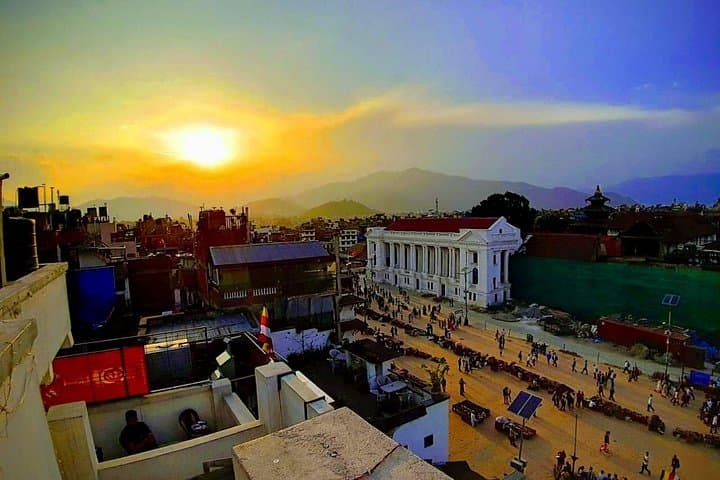
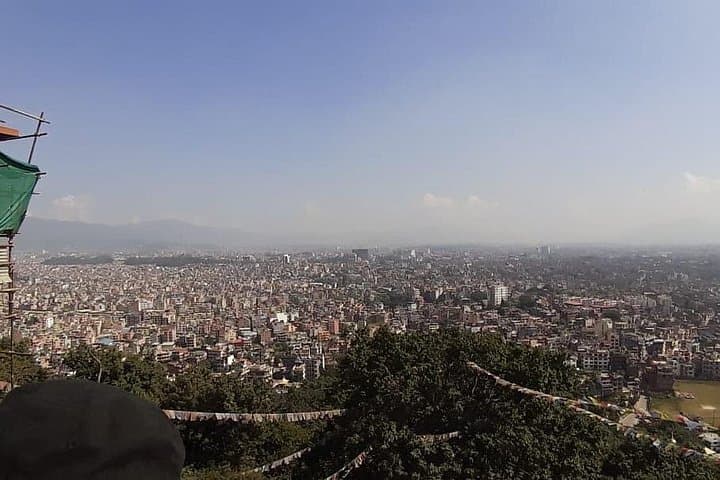
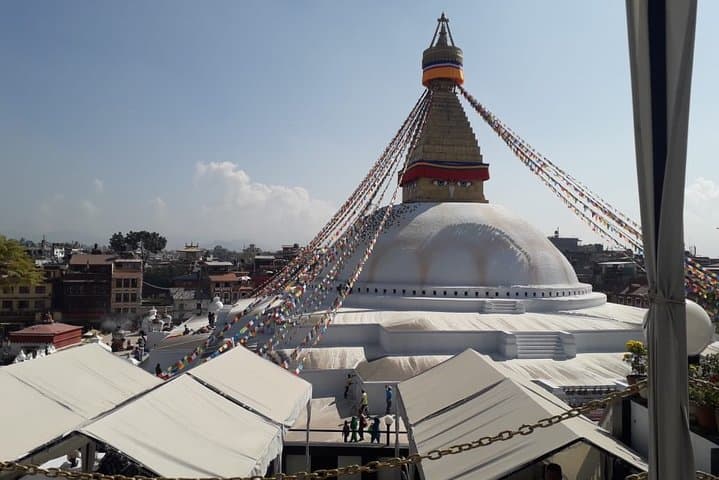
The Kathmandu Valley sits in a tectonic bowl of alluvial soil below the high Himalaya; its compact medieval centers grew under the Malla and later Shah dynasties, leaving a dense collection of palaces and temples. Riders pass the old Shah palace and the carved plazas of Patan (Lalitpur), thread narrow market lanes heavy with handicrafts, climb to Swayambhunath for a skyline view, and visit major temple complexes where centuries of Hindu and Buddhist practice meet.
Culturally the route rewards small observations: Newar woodcarving, prayer-flag color, smoke from ritual cremations along the Bagmati. Geology is subtle — terraced city slopes and river scars that frame Kathmandu’s settlement pattern. Guides offer local context and practical navigation of chaotic traffic.
Practical guidance: plan a 6–7 hour day, start early to avoid commuter congestion, carry a full-face helmet and sun protection, and wear sturdy shoes for short walks at heritage sites. Keep water and a small cash reserve for temple donations and snacks. Respect temple rules (remove shoes, cover shoulders) and follow your guide near crowded shrines. This tour is an efficient, motorized way to sample the valley’s highlights while learning the living history behind Kathmandu’s streets.
easy.
6–7 hours.
Low aerobic demand; participants should be comfortable mounting/dismounting a motorcycle and doing brief walks at sites.
Yes — a valid motorcycle license is required; operators usually verify documents before departure.
The tour includes use of a classic motorcycle as part of equipment inclusions; confirm details at booking for solo vs. shared rides.
The tour suits riders with basic motorcycle experience; guides accommodate varying skill levels but urban traffic requires confidence.
Typical inclusions are motorcycle use, a licensed English-speaking guide, fees and taxes; confirm pickup and drop-off options when booking.
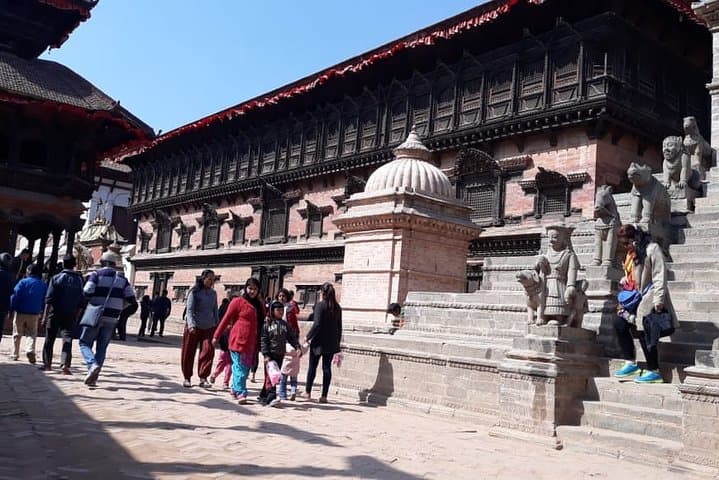
Kathmandu Valley’s plazas and palaces were shaped by medieval Malla kingdoms and later the Shah dynasty; Newar artisans crafted many of the carved wooden and stone features seen today.
Traffic congestion and air quality affect heritage sites and visitor experience; minimize noise, avoid single-use plastics, and follow guide instructions to protect fragile courtyards.
Arpan Nepal operates guided outdoor trips and adventures with an emphasis on safety, stewardship, and memorable experiences.
A low rumble cuts through thin morning air as a classic motorcycle weaves out from a lane near Kathmandu Durbar Square, carrying a rider into the city’s layered streets. On a full-day loop the guide opens doors — not just gates — to courtyards, stupas and hilltop viewpoints, letting the valley’s stone courts, temple bells and winding bazaars set the pace.
A low rumble cuts through thin morning air as a classic motorcycle weaves out from a lane near Kathmandu Durbar Square, carrying a rider into the city’s layered streets. On a full-day loop the guide opens doors — not just gates — to courtyards, stupas and hilltop viewpoints, letting the valley’s stone courts, temple bells and winding bazaars set the pace.
The Kathmandu Valley sits in a tectonic bowl of alluvial soil below the high Himalaya; its compact medieval centers grew under the Malla and later Shah dynasties, leaving a dense collection of palaces and temples. Riders pass the old Shah palace and the carved plazas of Patan (Lalitpur), thread narrow market lanes heavy with handicrafts, climb to Swayambhunath for a skyline view, and visit major temple complexes where centuries of Hindu and Buddhist practice meet.
Culturally the route rewards small observations: Newar woodcarving, prayer-flag color, smoke from ritual cremations along the Bagmati. Geology is subtle — terraced city slopes and river scars that frame Kathmandu’s settlement pattern. Guides offer local context and practical navigation of chaotic traffic.
Practical guidance: plan a 6–7 hour day, start early to avoid commuter congestion, carry a full-face helmet and sun protection, and wear sturdy shoes for short walks at heritage sites. Keep water and a small cash reserve for temple donations and snacks. Respect temple rules (remove shoes, cover shoulders) and follow your guide near crowded shrines. This tour is an efficient, motorized way to sample the valley’s highlights while learning the living history behind Kathmandu’s streets.