THE ADVENTURE COLLECTIVE® · Independent discovery and booking for outdoor travel

Spend six focused hours with a licensed guide visiting Kathmandu’s World Heritage highlights — Swayambhunath, Patan Durbar, Pashupatinath and Boudhanath. This private, air-conditioned tour balances cultural context with practical tips for temple etiquette and timing.
Spend six focused hours with a licensed guide visiting Kathmandu’s World Heritage highlights — Swayambhunath, Patan Durbar, Pashupatinath and Boudhanath. This private, air-conditioned tour balances cultural context with practical tips for temple etiquette and timing.
Morning light spills across Kathmandu’s busy streets as your guide steers an air-conditioned vehicle toward the valley’s oldest shrines. Within hours you move from monkey-guarded terraces at Swayambhunath to the hush of priests at Pashupatinath and the wide, prayer-wheeled plaza of Boudhanath — each stop a different chapter in the city’s long public life.
Verified experiences and guided adventures in the surrounding area.
Operated by Nepal Highpoint Trekking Private Limited. · Kathmandu, Bagmati Province
Morning light spills across Kathmandu’s busy streets as your guide steers an air-conditioned vehicle toward the valley’s oldest shrines. Within hours you move from monkey-guarded terraces at Swayambhunath to the hush of priests at Pashupatinath and the wide, prayer-wheeled plaza of Boudhanath — each stop a different chapter in the city’s long public life.
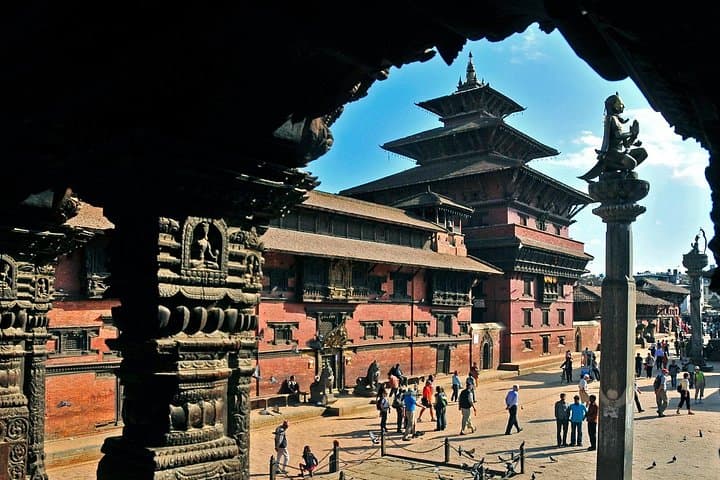
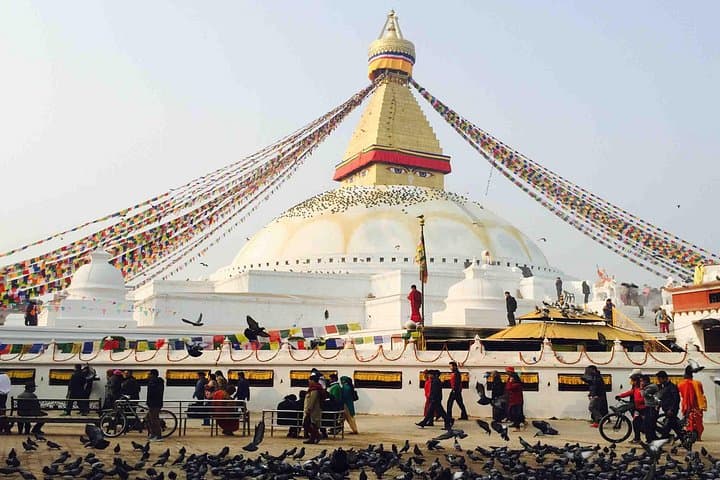
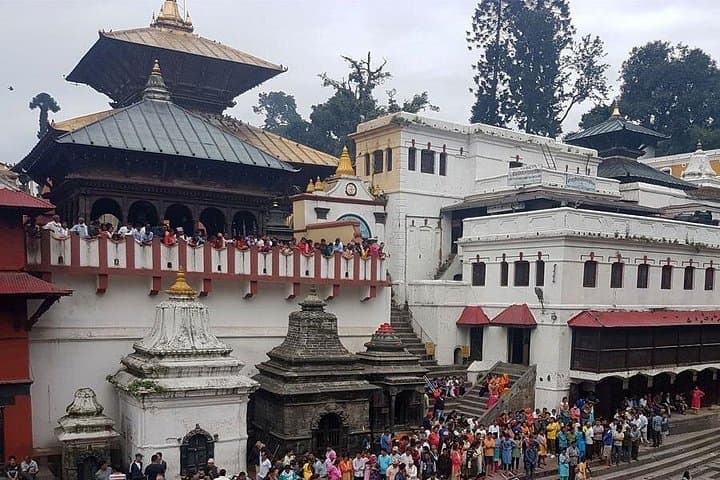
Kathmandu Valley is a layered landscape: tectonic uplifts shaped steep-sided hills and river plains, while centuries of Newar craftsmanship left intricately carved courtyards and palace squares. Patan Durbar Square preserves medieval stonework and living artisan workshops; Boudhanath is a Tibetan Buddhist center brought into sharp relief after 1950s migrations; Pashupatinath remains one of Hinduism’s most active cremation and worship sites in South Asia.
Practically, this is a six-hour private tour with a licensed English-speaking guide and a comfortable vehicle—minimal walking but uneven temple steps and crowded alleys. Expect traffic delays and plan for shoes off at many sites, modest dress at religious places, and restricted photography at cremation ghats. Morning departures beat peak heat and afternoon traffic; bring water, a scarf for temple entry, and small bills for offerings or museum entry.
The tour suits travelers who want concentrated cultural context without long hikes — it’s less about exertion and more about pace, observation, and respectful curiosity. With basic preparation — sun protection, closed shoes for steps, and patience for city rhythms — visitors leave with a clear sense of Kathmandu’s religious complexity, living crafts, and the living streets that bind them.
easy.
6 hours.
Minimal fitness required; involves short walks, temple steps, and standing in crowded areas.
Admission charges to museums or specific monuments are generally not included; bring cash or ask your operator to confirm before booking.
Most private tours include hotel pickup within central Kathmandu—confirm your pickup point when booking and provide flight or arrival details if needed.
Yes; the activity is suitable for all fitness levels. Infants are typically required to sit on an adult’s lap during transport.
Yes. Pashupatinath’s cremation ghats and some inner sanctums restrict photography; always follow your guide’s instructions and ask before photographing people.
Kathmandu Valley’s core sites are part of a millennium-long civic and religious history dominated by Newar kingdoms; many structures around Patan and Kathmandu Durbar Squares date to medieval Malla periods.
Tourism pressure and urban expansion strain fragile monuments—follow local guidance, avoid litter, and support certified guides and entrance fees that fund conservation.
Nepal Highpoint Trekking Private Limited. operates guided outdoor trips and adventures with an emphasis on safety, stewardship, and memorable experiences.
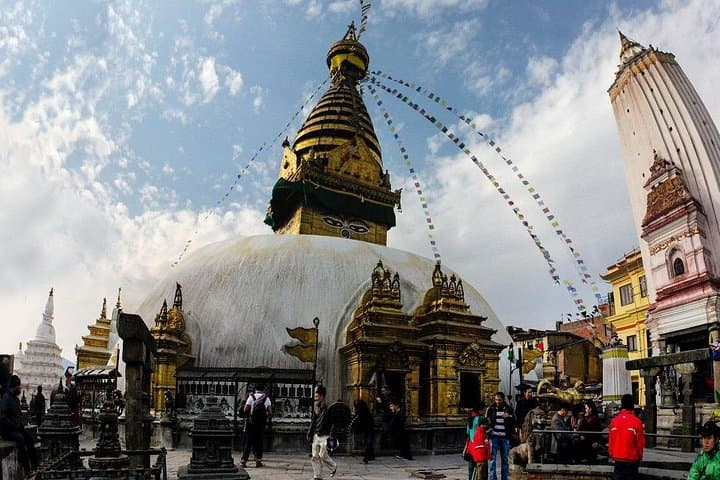
Morning light spills across Kathmandu’s busy streets as your guide steers an air-conditioned vehicle toward the valley’s oldest shrines. Within hours you move from monkey-guarded terraces at Swayambhunath to the hush of priests at Pashupatinath and the wide, prayer-wheeled plaza of Boudhanath — each stop a different chapter in the city’s long public life.
Morning light spills across Kathmandu’s busy streets as your guide steers an air-conditioned vehicle toward the valley’s oldest shrines. Within hours you move from monkey-guarded terraces at Swayambhunath to the hush of priests at Pashupatinath and the wide, prayer-wheeled plaza of Boudhanath — each stop a different chapter in the city’s long public life.
Kathmandu Valley is a layered landscape: tectonic uplifts shaped steep-sided hills and river plains, while centuries of Newar craftsmanship left intricately carved courtyards and palace squares. Patan Durbar Square preserves medieval stonework and living artisan workshops; Boudhanath is a Tibetan Buddhist center brought into sharp relief after 1950s migrations; Pashupatinath remains one of Hinduism’s most active cremation and worship sites in South Asia.
Practically, this is a six-hour private tour with a licensed English-speaking guide and a comfortable vehicle—minimal walking but uneven temple steps and crowded alleys. Expect traffic delays and plan for shoes off at many sites, modest dress at religious places, and restricted photography at cremation ghats. Morning departures beat peak heat and afternoon traffic; bring water, a scarf for temple entry, and small bills for offerings or museum entry.
The tour suits travelers who want concentrated cultural context without long hikes — it’s less about exertion and more about pace, observation, and respectful curiosity. With basic preparation — sun protection, closed shoes for steps, and patience for city rhythms — visitors leave with a clear sense of Kathmandu’s religious complexity, living crafts, and the living streets that bind them.