THE ADVENTURE COLLECTIVE® · Independent discovery and booking for outdoor travel

A compact full-day tour through Kathmandu Valley’s three historic cities—Kathmandu, Bhaktapur and Patan—visiting major UNESCO sites including Pashupatinath, Swayambhunath, Boudhanath and the Durbar Squares. Perfect for first-time visitors who want guided interpretation and convenient hotel pickup.
A compact full-day tour through Kathmandu Valley’s three historic cities—Kathmandu, Bhaktapur and Patan—visiting major UNESCO sites including Pashupatinath, Swayambhunath, Boudhanath and the Durbar Squares. Perfect for first-time visitors who want guided interpretation and convenient hotel pickup.
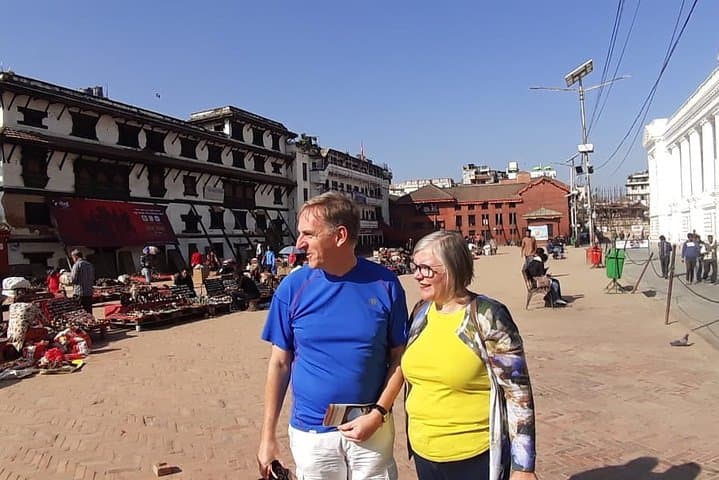
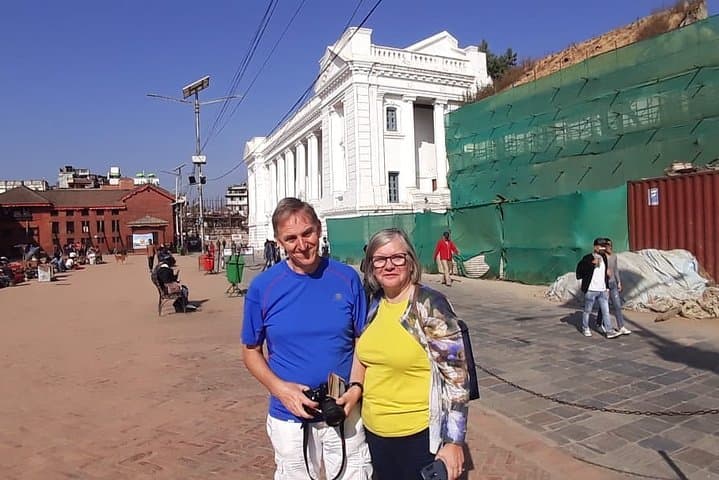
You step out where the Bagmati murmurs past temple steps and incense drifts across the morning light—Kathmandu’s streets already busy with vendors, motorbikes, and the distant brass of temple bells.
Verified experiences and guided adventures in the surrounding area.
Operated by Fewa Trail Treks and Expedition Pvt Ltd · Kathmandu, Bagmati Province
You step out where the Bagmati murmurs past temple steps and incense drifts across the morning light—Kathmandu’s streets already busy with vendors, motorbikes, and the distant brass of temple bells.
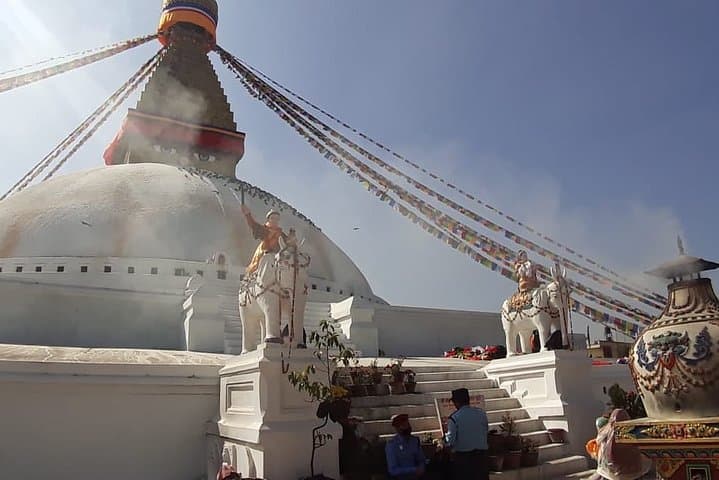
This full-day loop threads three cities of the valley: Kathmandu’s Durbar Square and Pashupatinath, the stupa crowns of Boudhanath and Swayambhunath, then east to the courtyards and brickwork of Bhaktapur and the intricate metalwork and stone carvings of Patan. These sites reflect centuries of Newar craftsmanship and the overlapping currents of Hindu and Buddhist practice that made the valley a political and cultural center since medieval times.
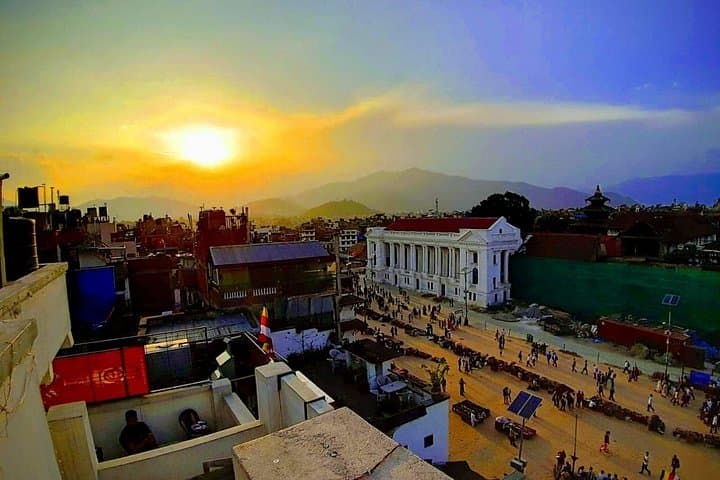
Geologically the valley sits in an intermontane basin, a compact urban bowl ringed by hills that concentrate the city’s energy; culturally the space reads like an open-air museum where household shrines and palace courtyards remain living places. Expect close-up views of pagoda roofs, prayer wheels turning in steady rhythm, and narrow alleys where artisans still hammer and paint by hand.
Practical guidance: plan for 6–7 hours on foot with intermittent vehicle transfers — comfortable walking shoes matter. Carry a refillable water bottle, small local currency for donations and small entrances, and a scarf to cover shoulders at temples. Start early to avoid the midday crowds and respect photography rules at religious sites. A local English-speaking guide will speed entry and interpretation; admission fees to certain monuments are typically separate. This tour suits travelers who want a condensed, walkable orientation to Kathmandu Valley’s most iconic, UNESCO-listed places.
easy.
6–7 hours.
Suitable for most fitness levels; expect extended periods of walking on uneven surfaces and steps.
Most monument entrance fees are not included; your guide will advise on payments and which sites require tickets.
Yes—private round-trip hotel pickup and drop-off are included in the tour package.
Yes; the pace is moderate with opportunities to sit, but there are many steps and uneven surfaces—plan accordingly.
An English-speaking guide is provided; request other languages at booking though availability may vary.
Kathmandu Valley was the political and cultural heart of the Newar kingdoms; its Durbar Squares, temples and stupas span several centuries of Hindu and Buddhist patronage and artistry.
Many monuments are fragile after repeated earthquakes; follow guide instructions, avoid touching carvings, and support local conservation by paying official fees and not feeding wildlife.
Fewa Trail Treks and Expedition Pvt Ltd operates guided outdoor trips and adventures with an emphasis on safety, stewardship, and memorable experiences.
You step out where the Bagmati murmurs past temple steps and incense drifts across the morning light—Kathmandu’s streets already busy with vendors, motorbikes, and the distant brass of temple bells.
You step out where the Bagmati murmurs past temple steps and incense drifts across the morning light—Kathmandu’s streets already busy with vendors, motorbikes, and the distant brass of temple bells.
This full-day loop threads three cities of the valley: Kathmandu’s Durbar Square and Pashupatinath, the stupa crowns of Boudhanath and Swayambhunath, then east to the courtyards and brickwork of Bhaktapur and the intricate metalwork and stone carvings of Patan. These sites reflect centuries of Newar craftsmanship and the overlapping currents of Hindu and Buddhist practice that made the valley a political and cultural center since medieval times.
Geologically the valley sits in an intermontane basin, a compact urban bowl ringed by hills that concentrate the city’s energy; culturally the space reads like an open-air museum where household shrines and palace courtyards remain living places. Expect close-up views of pagoda roofs, prayer wheels turning in steady rhythm, and narrow alleys where artisans still hammer and paint by hand.
Practical guidance: plan for 6–7 hours on foot with intermittent vehicle transfers — comfortable walking shoes matter. Carry a refillable water bottle, small local currency for donations and small entrances, and a scarf to cover shoulders at temples. Start early to avoid the midday crowds and respect photography rules at religious sites. A local English-speaking guide will speed entry and interpretation; admission fees to certain monuments are typically separate. This tour suits travelers who want a condensed, walkable orientation to Kathmandu Valley’s most iconic, UNESCO-listed places.