THE ADVENTURE COLLECTIVE® · Independent discovery and booking for outdoor travel

Spend a full day exploring Kampot and Kep: watch salt harvesters, tour renowned pepper farms, sample fresh crab at Kep Market and climb into the cool of Bokor National Park. This compact route blends cultural stops with accessible nature walks.
Spend a full day exploring Kampot and Kep: watch salt harvesters, tour renowned pepper farms, sample fresh crab at Kep Market and climb into the cool of Bokor National Park. This compact route blends cultural stops with accessible nature walks.
Morning in Kampot starts with light on white salt pans—crystals catching the first sun as local workers move with steady rhythm. A tuk‑tuk threads narrow roads past farms, the sea breeze daring you toward Kep's crab market, where boats arrive heavy with red claws and the smell of charcoal and lime hangs in the air.
Verified experiences and guided adventures in the surrounding area.
Operated by Cambodia Tourist Car · Kampot, Kampot Province
Morning in Kampot starts with light on white salt pans—crystals catching the first sun as local workers move with steady rhythm. A tuk‑tuk threads narrow roads past farms, the sea breeze daring you toward Kep's crab market, where boats arrive heavy with red claws and the smell of charcoal and lime hangs in the air.
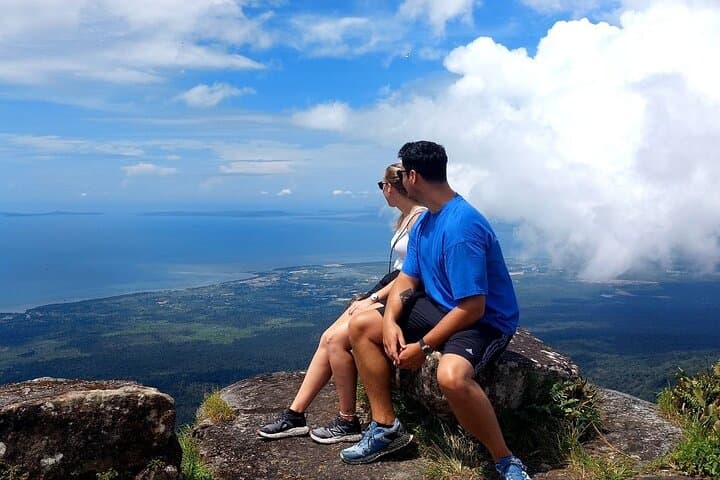
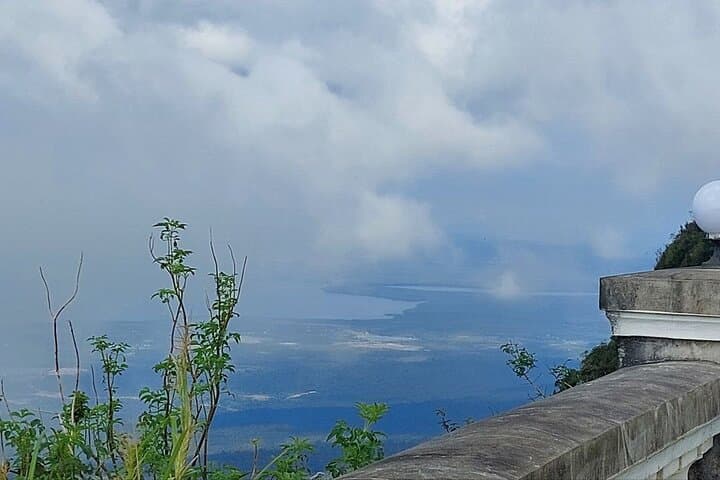
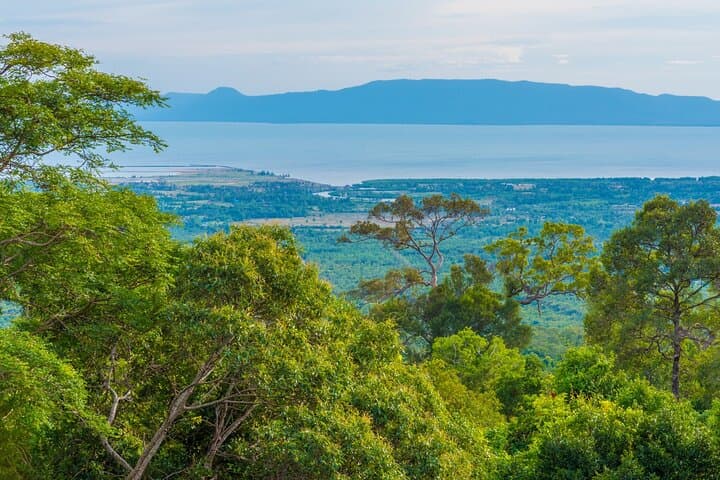
This loop pairs coastal livelihoods with highland history. Kampot pepper farms sit on alluvial soils that give the spice its aromatic signature; Bokor National Park crowns the region with a cooler, cloud-wrapped plateau that the French once turned into a hill station. Brateak Krola, the so-called Secret Lake, is an engineered reservoir with a somber past from the Khmer Rouge era, now a quiet mirror for birds.
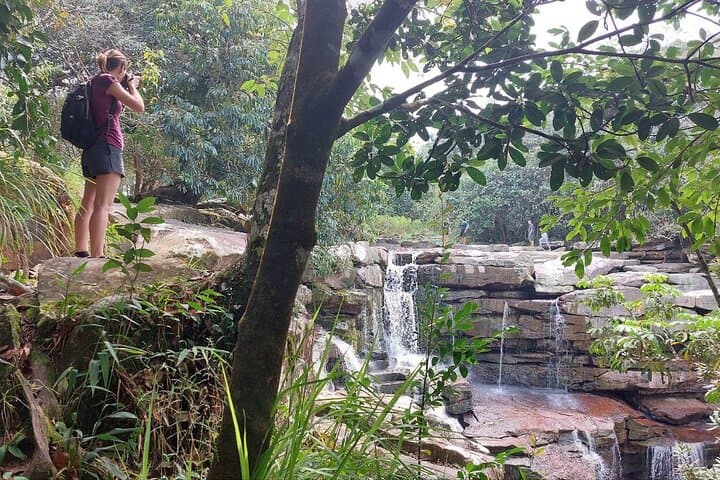
Expect a mix of flat salt pans, shaded plantation paths, market steps and winding uphill roads inside Bokor. Yeay Mao statue and Popokvil Waterfall are cultural and geological bookmarks—granite outcrops, tropical rainforest and sudden drops where the forest seems to reclaim old buildings.
Practical edge: plan for an 8–9 hour day, start early to avoid midday heat at the salt fields and crab market, and save cash for market stalls. Wear comfortable walking shoes for uneven plantation paths and a light rain jacket if monsoon clouds gather on Bokor. Carry water, insect repellent and modest clothing for village visits. Photography opportunities are constant—from patterned salt pans to misted peaks—but be respectful of fishing crews and private farms. This is a full, varied day that gives a clear look at coastal Cambodia’s foodways, spice heritage and hill-country landscapes.
moderate.
8–9 hours.
Suitable for travelers with basic fitness who can handle several short walks, stairs and a longer day in a vehicle.
Yes—hotel pick up and drop off in Kampot city center is included; confirm your pickup point when booking.
Entrance fees for listed sites and a local English or French-speaking guide are included in the tour price.
The tour is labelled easy for general fitness but involves a full day of travel and short walks; inform the operator of mobility needs when booking.
Bring small US dollars or Cambodian riel for market purchases, snacks and tips—ATMs are limited outside larger towns.
Bokor was developed as a French colonial hill station in the 1920s; Kampot pepper has been traded for centuries and gained international renown in modern specialty markets.
Bokor National Park protects upland rainforest but faces pressures from development and litter; favor operators who support local communities and leave-no-trace practices.
Cambodia Tourist Car operates guided outdoor trips and adventures with an emphasis on safety, stewardship, and memorable experiences.
Morning in Kampot starts with light on white salt pans—crystals catching the first sun as local workers move with steady rhythm. A tuk‑tuk threads narrow roads past farms, the sea breeze daring you toward Kep's crab market, where boats arrive heavy with red claws and the smell of charcoal and lime hangs in the air.
Morning in Kampot starts with light on white salt pans—crystals catching the first sun as local workers move with steady rhythm. A tuk‑tuk threads narrow roads past farms, the sea breeze daring you toward Kep's crab market, where boats arrive heavy with red claws and the smell of charcoal and lime hangs in the air.
This loop pairs coastal livelihoods with highland history. Kampot pepper farms sit on alluvial soils that give the spice its aromatic signature; Bokor National Park crowns the region with a cooler, cloud-wrapped plateau that the French once turned into a hill station. Brateak Krola, the so-called Secret Lake, is an engineered reservoir with a somber past from the Khmer Rouge era, now a quiet mirror for birds.
Expect a mix of flat salt pans, shaded plantation paths, market steps and winding uphill roads inside Bokor. Yeay Mao statue and Popokvil Waterfall are cultural and geological bookmarks—granite outcrops, tropical rainforest and sudden drops where the forest seems to reclaim old buildings.
Practical edge: plan for an 8–9 hour day, start early to avoid midday heat at the salt fields and crab market, and save cash for market stalls. Wear comfortable walking shoes for uneven plantation paths and a light rain jacket if monsoon clouds gather on Bokor. Carry water, insect repellent and modest clothing for village visits. Photography opportunities are constant—from patterned salt pans to misted peaks—but be respectful of fishing crews and private farms. This is a full, varied day that gives a clear look at coastal Cambodia’s foodways, spice heritage and hill-country landscapes.