THE ADVENTURE COLLECTIVE® · Independent discovery and booking for outdoor travel

Spend a full day exploring Kakheti’s wine country, medieval churches and hilltop towns. This guided circuit from Tbilisi pairs winery visits and historic sites — ideal for travelers who want culture, food, and accessible walking amid vineyard-lined valleys.
Spend a full day exploring Kakheti’s wine country, medieval churches and hilltop towns. This guided circuit from Tbilisi pairs winery visits and historic sites — ideal for travelers who want culture, food, and accessible walking amid vineyard-lined valleys.
You leave Tbilisi at first light and the city peels away into a wide, cultivated plain — vineyards rolling like stitched green quilts toward the low rise of the Caucasus. The Alazani Valley stretches out beneath a chain of craggy foothills; the wind through vine rows almost dares you to slow down and taste the place.
Verified experiences and guided adventures in the surrounding area.
Operated by Georgia Inn Tours · Sighnaghi, Kakheti
You leave Tbilisi at first light and the city peels away into a wide, cultivated plain — vineyards rolling like stitched green quilts toward the low rise of the Caucasus. The Alazani Valley stretches out beneath a chain of craggy foothills; the wind through vine rows almost dares you to slow down and taste the place.
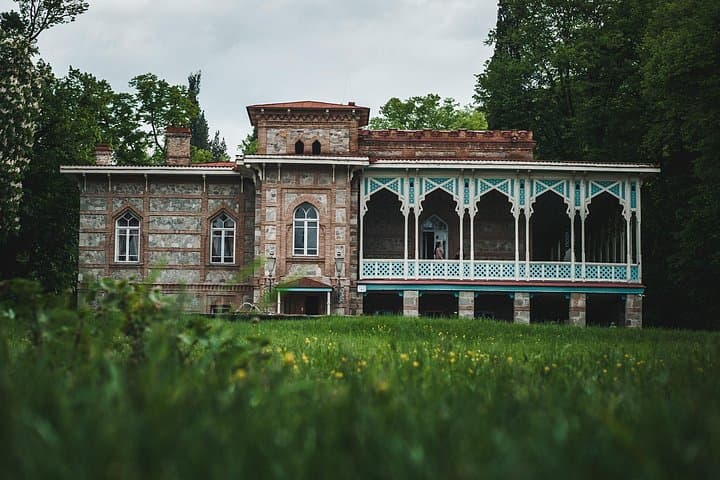
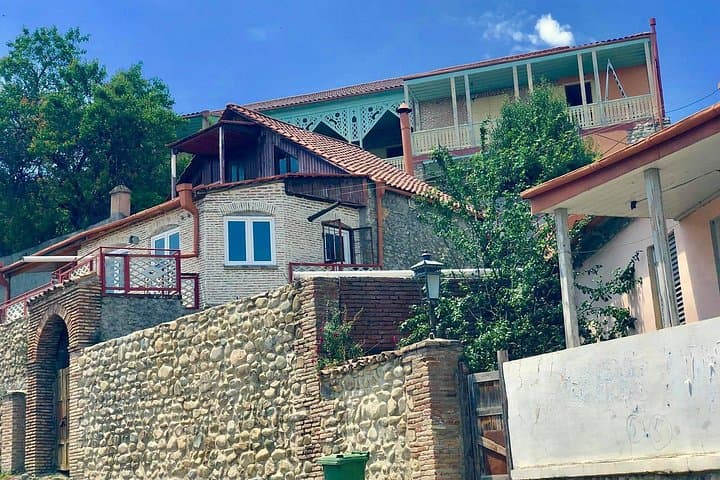
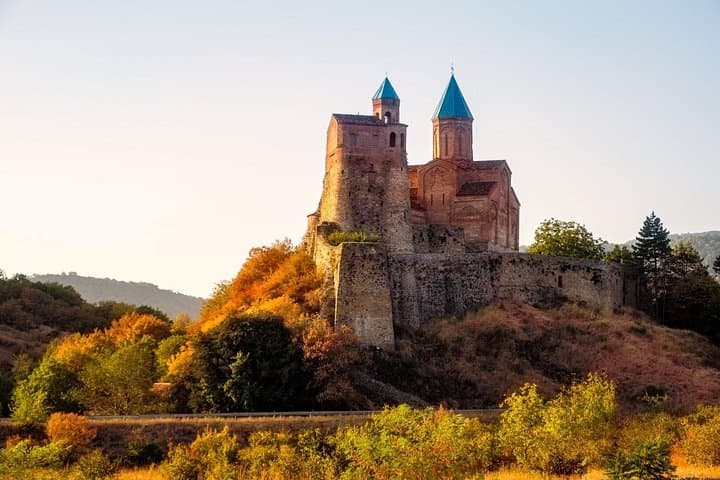
Kakheti is where Georgia's deep-rooted wine culture meets layers of history: 6th-century monasteries, the 16th-century church and tower at Gremi, and the 19th-century Chavchavadze estate with its English-style garden and cellar of vintages. Sighnaghi, raised on a ridge with 18th-century walls and towers, watches the valley like a practical guardian. Geologically, the valley is alluvial soil and terraces carved by the Alazani River, which makes the ground unusually fertile and ideal for qvevri winemaking — earthenware vessels that shaped local technique for millennia.
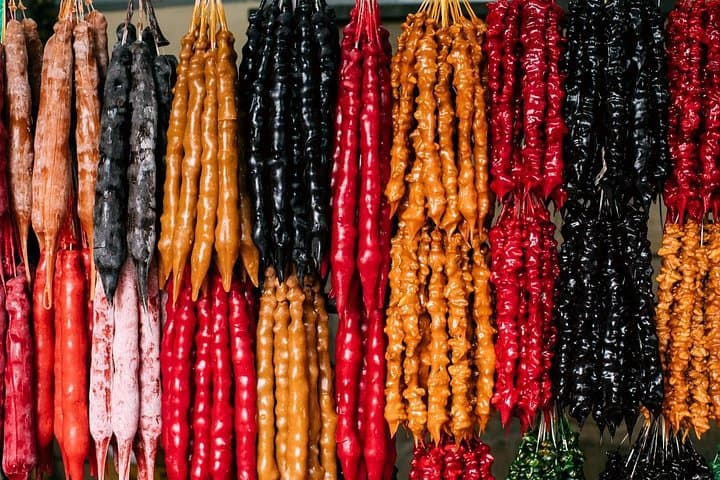
Culturally the day is tactile: warm bread from a village oven, sharp local cheeses, and guided tastings that explain why Kakhetian wine tastes of sun and river. Guides often point out lesser-visited spots — family wineries and small chapels tucked into vineyards.
Practical guidance: this is a full 6–8 hour day with moderate walking and several short stops. Wear comfortable shoes for uneven surfaces, bring sun protection and a refillable water bottle, and expect bumpy local roads between villages. Pickup and drop-off from Tbilisi are standard; the pace balances driving with two to three substantive site visits. For first-time visitors, aim to sit in on a winery tasting and leave room in your bag for a bottle or two — Kakheti’s wines travel well.
moderate.
6–8 hours.
Moderate fitness: able to walk short distances on uneven ground and handle a day of sitting in a vehicle between stops.
The tour runs about 6–8 hours and typically starts with hotel pickup in Tbilisi around 9:00 AM.
Yes — the itinerary includes at least one guided wine tasting and a visit to a winery or wine cellar.
A village lunch is included on most departures featuring local bread (shoti) and cheeses; confirm dietary needs when booking.
Children can join; some sites have uneven surfaces but prams are sometimes usable — expect short walks and laps for infants.
Kakheti has been a cultural crossroads for centuries — early Christian monasteries date to the 6th century while viticulture here traces techniques and varieties used for thousands of years.
Support small producers and stay on designated paths; the region balances active agriculture with preservation of traditional qvevri winemaking and historic monuments.
Georgia Inn Tours operates guided outdoor trips and adventures with an emphasis on safety, stewardship, and memorable experiences.
You leave Tbilisi at first light and the city peels away into a wide, cultivated plain — vineyards rolling like stitched green quilts toward the low rise of the Caucasus. The Alazani Valley stretches out beneath a chain of craggy foothills; the wind through vine rows almost dares you to slow down and taste the place.
You leave Tbilisi at first light and the city peels away into a wide, cultivated plain — vineyards rolling like stitched green quilts toward the low rise of the Caucasus. The Alazani Valley stretches out beneath a chain of craggy foothills; the wind through vine rows almost dares you to slow down and taste the place.
Kakheti is where Georgia's deep-rooted wine culture meets layers of history: 6th-century monasteries, the 16th-century church and tower at Gremi, and the 19th-century Chavchavadze estate with its English-style garden and cellar of vintages. Sighnaghi, raised on a ridge with 18th-century walls and towers, watches the valley like a practical guardian. Geologically, the valley is alluvial soil and terraces carved by the Alazani River, which makes the ground unusually fertile and ideal for qvevri winemaking — earthenware vessels that shaped local technique for millennia.
Culturally the day is tactile: warm bread from a village oven, sharp local cheeses, and guided tastings that explain why Kakhetian wine tastes of sun and river. Guides often point out lesser-visited spots — family wineries and small chapels tucked into vineyards.
Practical guidance: this is a full 6–8 hour day with moderate walking and several short stops. Wear comfortable shoes for uneven surfaces, bring sun protection and a refillable water bottle, and expect bumpy local roads between villages. Pickup and drop-off from Tbilisi are standard; the pace balances driving with two to three substantive site visits. For first-time visitors, aim to sit in on a winery tasting and leave room in your bag for a bottle or two — Kakheti’s wines travel well.